At what point does a policy of no industrial policy become less cost-effective than the deliberate protection of selected industries? How are global trends affecting the previously dominant paradigms of an open economy with unimpeded flows of ownership?
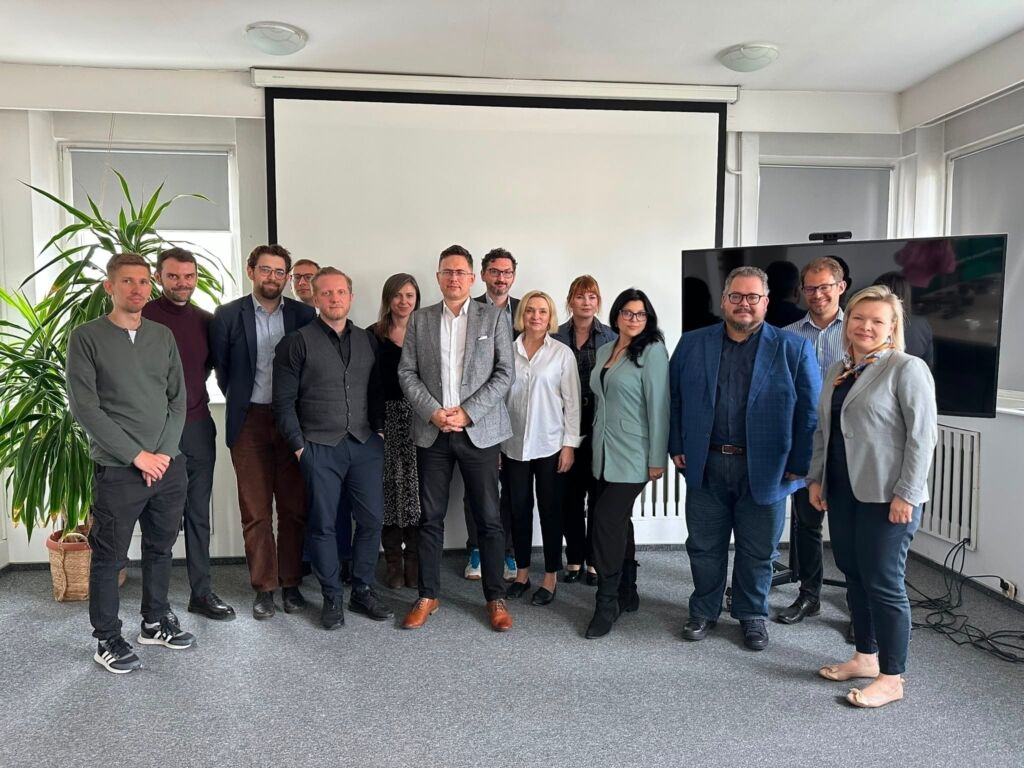
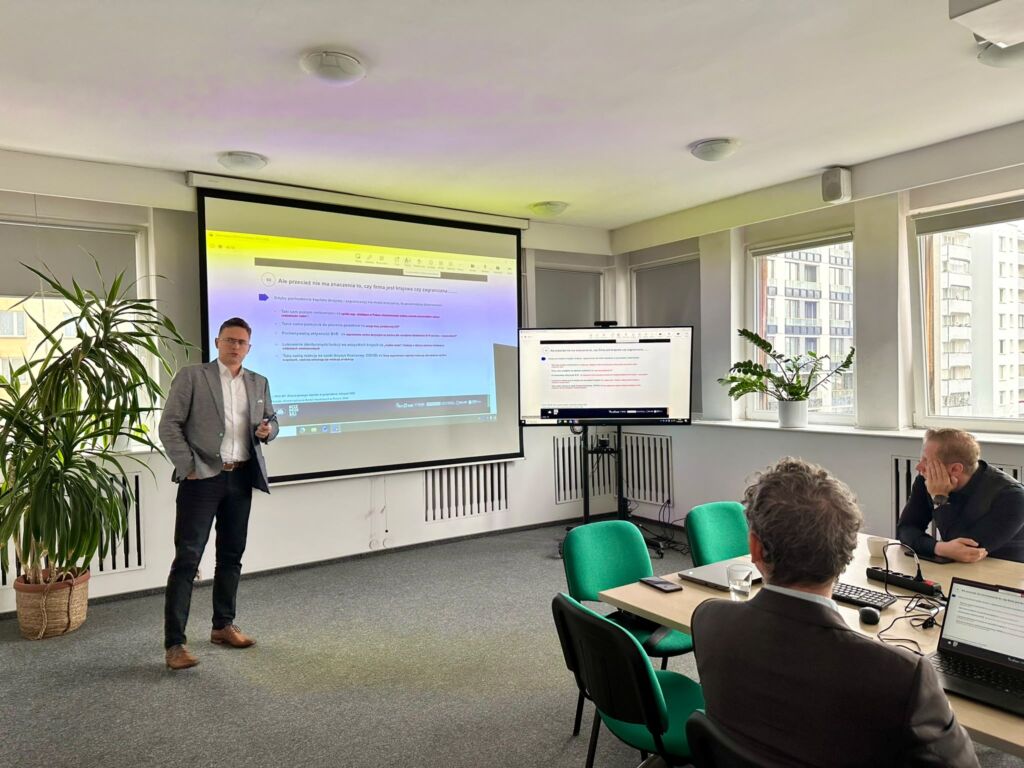
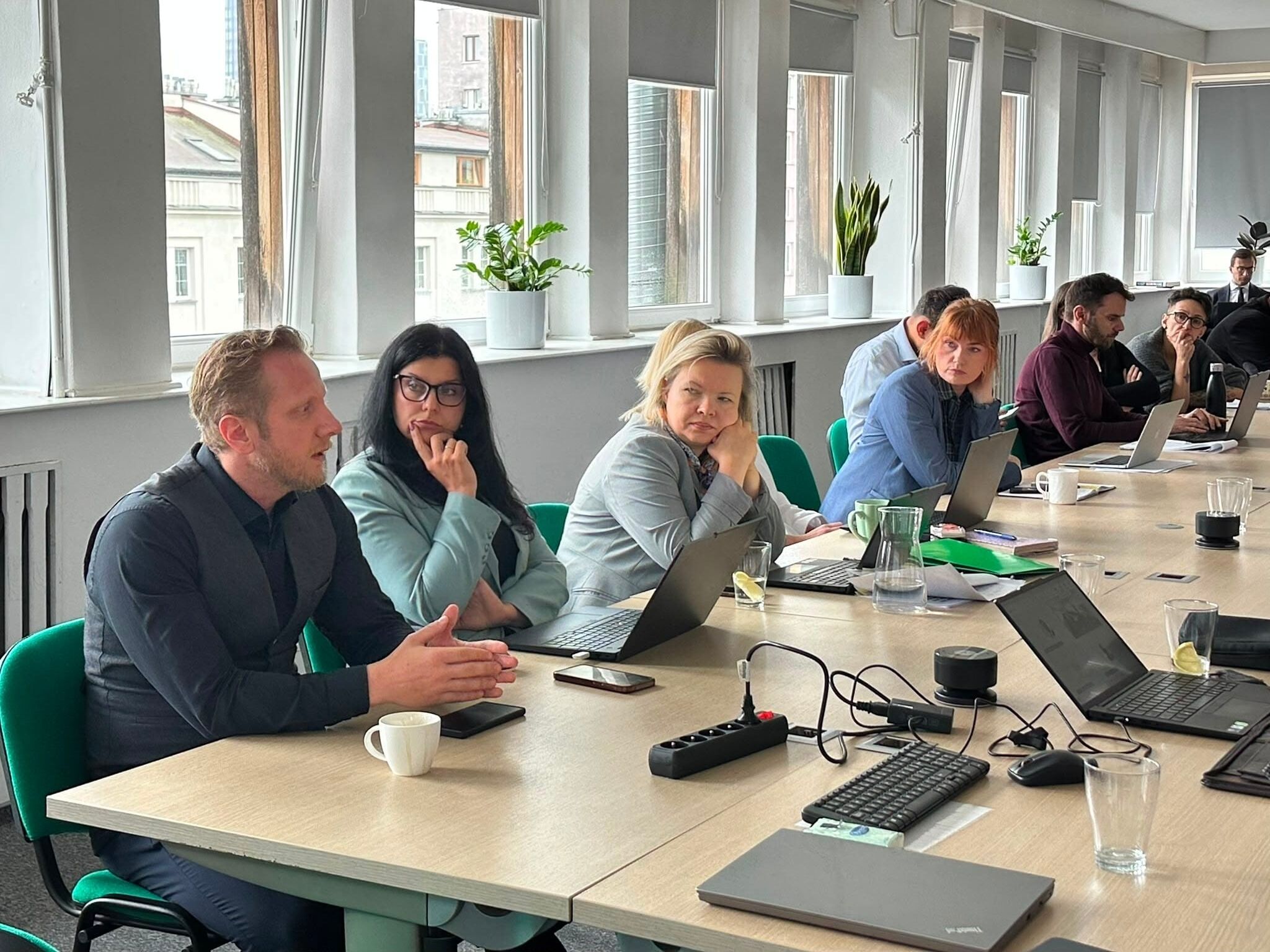
The latest internal seminar at Łukasiewicz – ITECH focused on economic issues. Yesterday, we discussed the power and significance of foreign capital in national economies. The keynote address was delivered by Dr Grzegorz Malinowski (Chief Commercialisation Specialist at the Łukasiewicz Research Network and Assistant Professor in the Department of Economics at Kozminski University), with commentary provided by Sebastian Stodolak (Warsaw Enterprise Institute).
Together, we examined indicators illustrating the complex ownership and governance structures of enterprises in Europe, comparing the situation in the “old EU” with that of Central and Eastern European countries, as well as Asian economies developing at an impressive pace. The speakers showed that the share of foreign capital and the role it plays in individual countries’ economies constitute a highly complex and multidimensional research problem. Nevertheless, in Dani Rodrik’s framework – which defines industrial policy as a process of discovering what a given country can produce competitively – its core lies in resolving coordination and information problems between the state and firms. For this, the presence of companies whose decision‑making is rooted in the domestic economy is essential. The economists discussed whether and how, in the Polish context, enterprises can become partners in such an industrial policy. Undoubtedly, over the long term, industrial policy determines whether Polish companies will remain mere subcontractors or become genuine co‑creators of global value chains. Its coordinating role at the European Union level can also strengthen the competitiveness of European economies – in recent years, we have observed a clear trend towards relaxing state‑aid rules in the single market.
As was emphasised, the ability to pursue an effective industrial policy depends not only on the presence of foreign capital in the economy, but also on the ownership structure and governance model of firms. A dispersed shareholder base – even one that is entirely foreign – gives the state a completely different degree of room for manoeuvre than a situation in which a single active foreign investor controls a company’s key decisions. Such a model appears desirable, although in an adverse scenario involving a crisis in Poland’s public finances, it may prove difficult to sustain.
Some discussants also underlined that there is no consensus among economists that industrial policy is an effective and universal tool for raising welfare and income levels in a given country, and that the coincidence of industrial policy with observed growth may be driven by other factors. From this perspective, security‑driven industrial mobilisation should be seen as one important rationale for economic policy, but not its only or dominant engine.