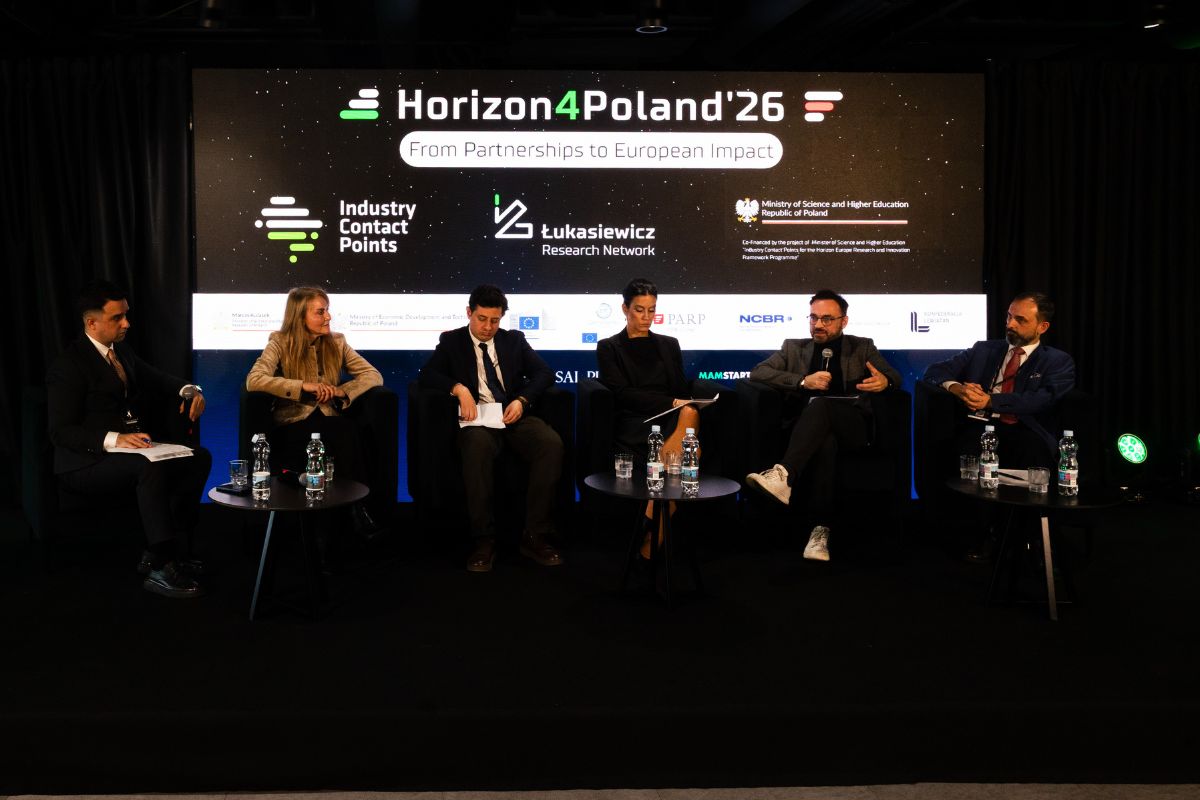
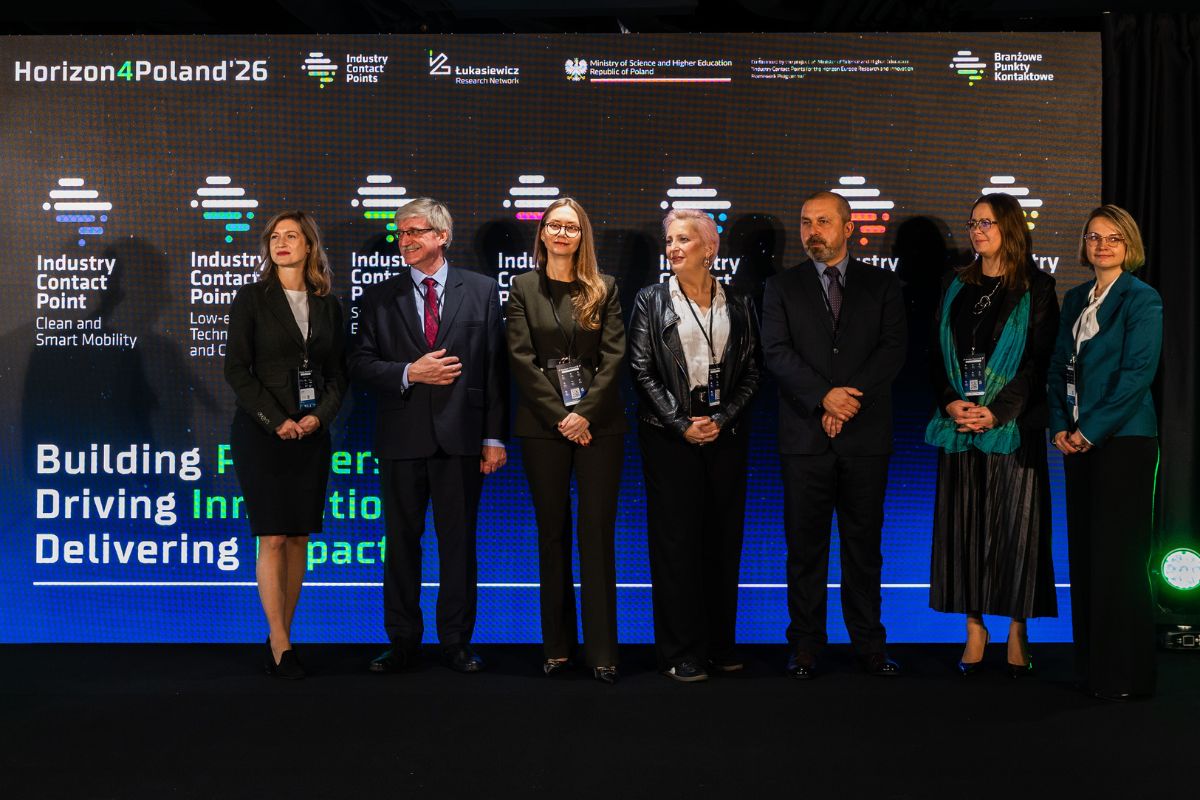
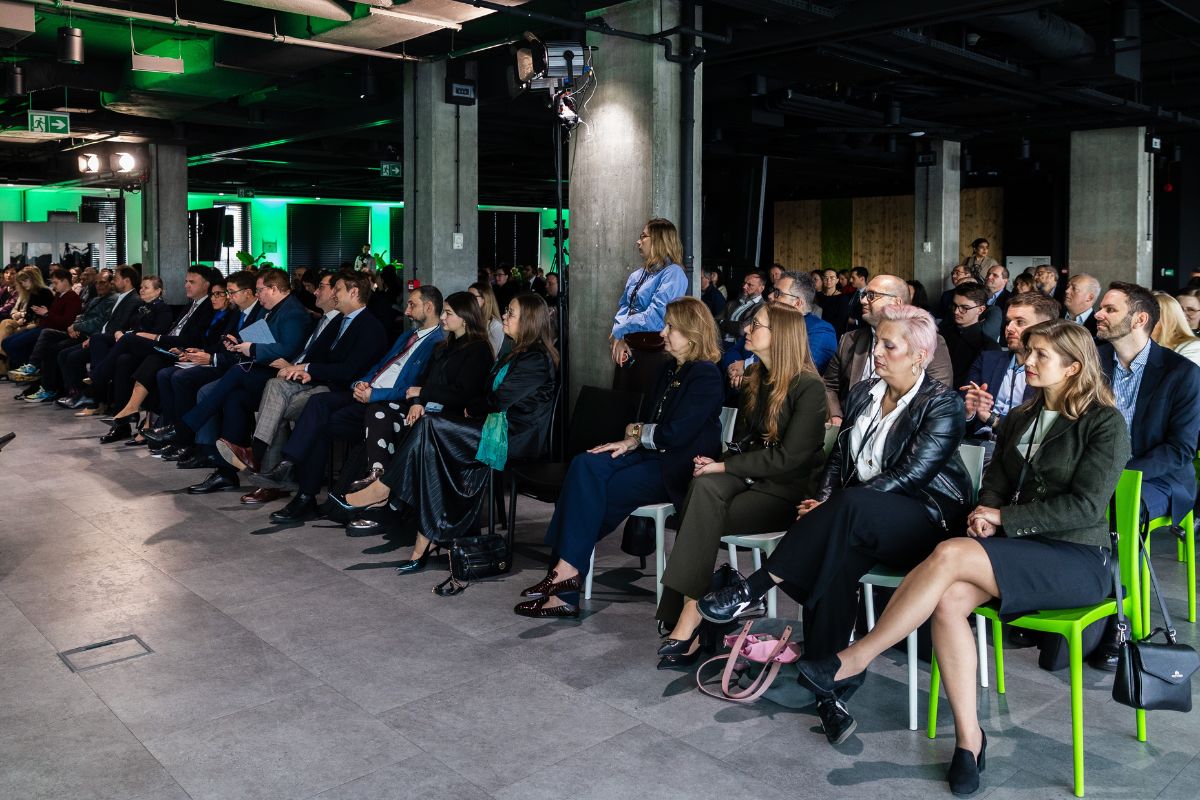
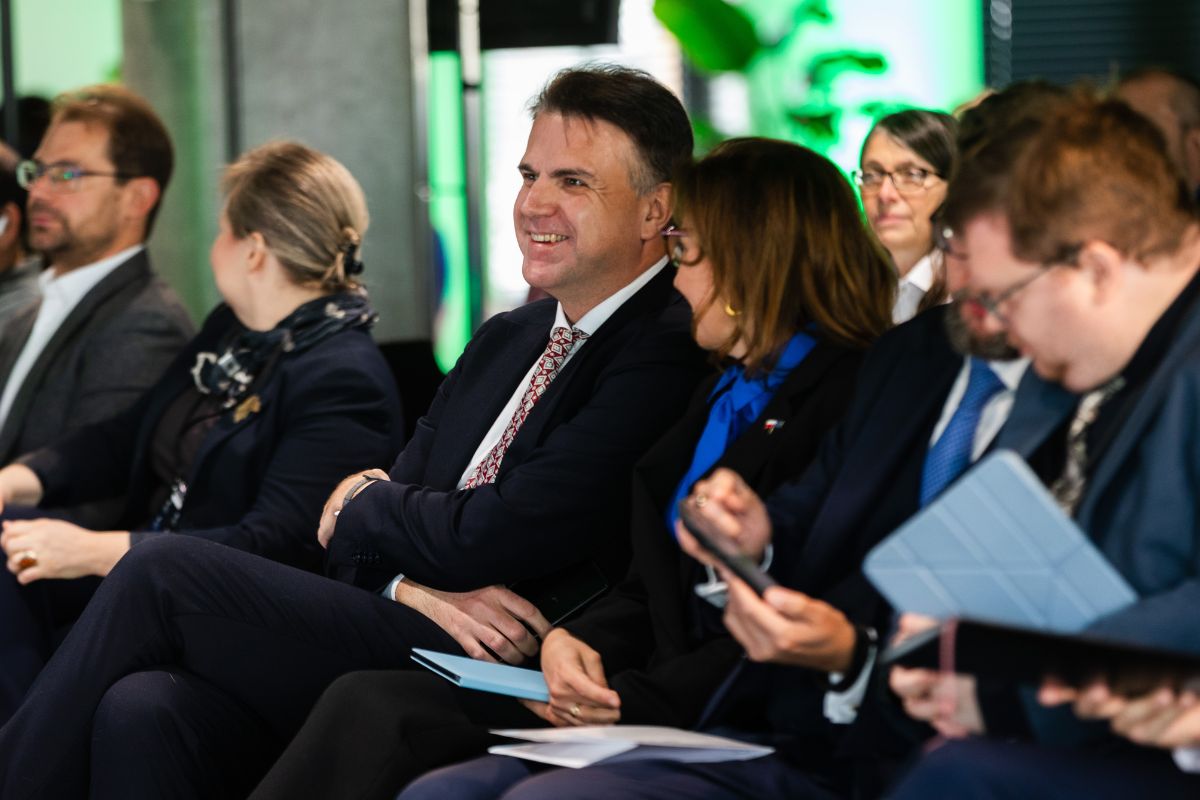
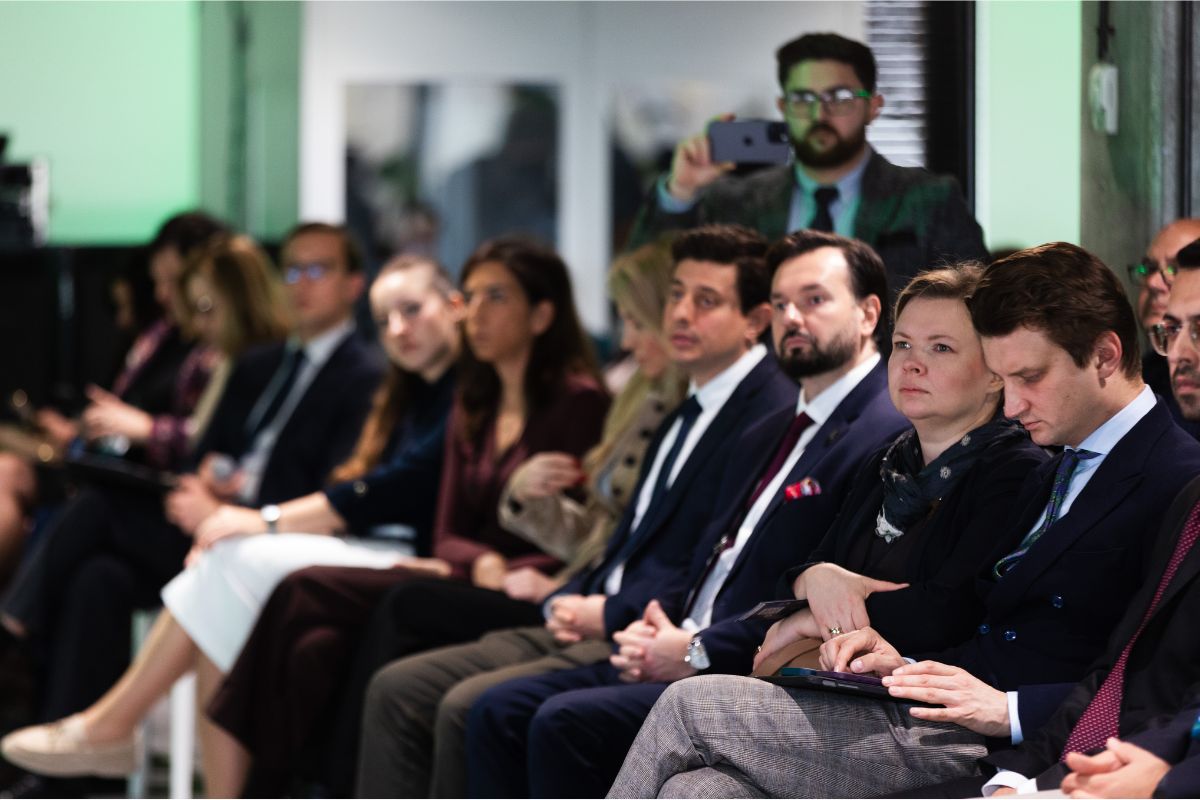
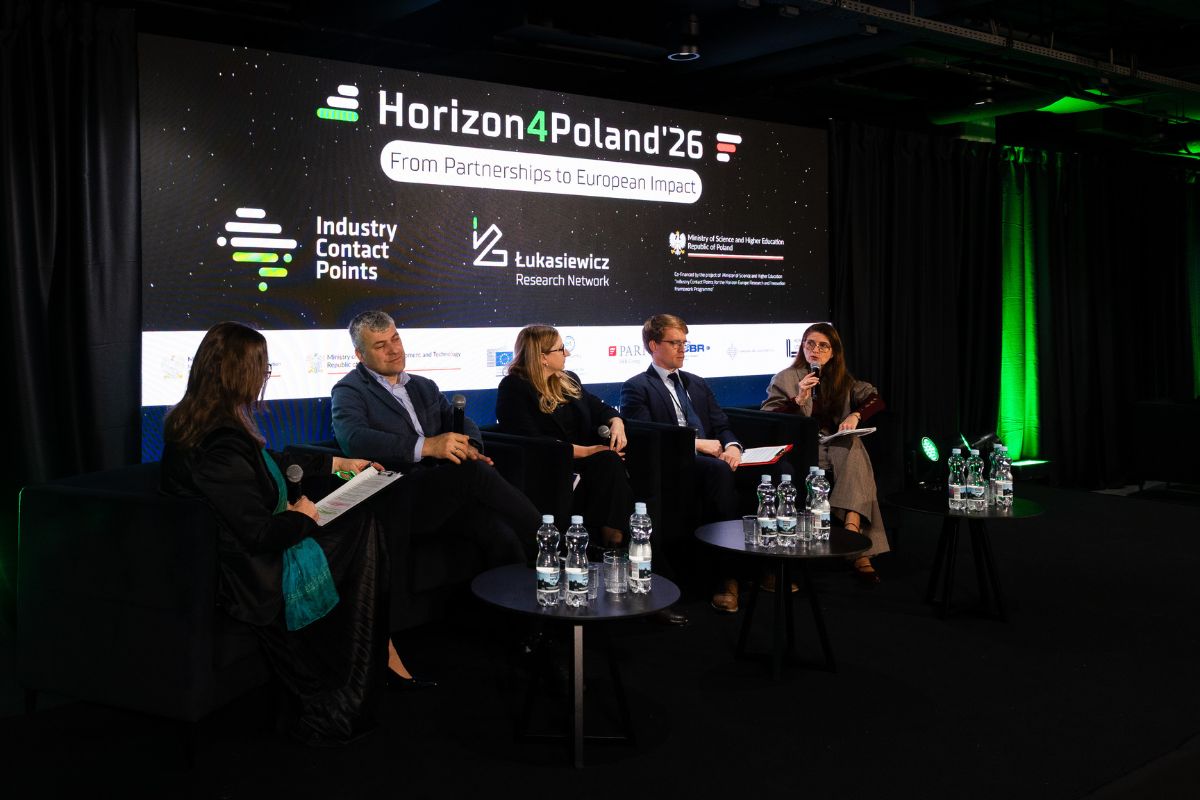
How can the participation of Polish organizations in Horizon Europe be increased? How can Europe strengthen its technological sovereignty while achieving greater success in turning research results into market-ready innovations? These were among the key questions explored by participants of the fifth edition of Horizon4Poland'26, which brought together nearly 300 representatives of science, industry, public administration and innovation support organizations. The event was organized by the Industry Contact Points and the Łukasiewicz – ITECH Institute of Innovation and Technology.
This year’s edition focused on the future of the Horizon Europe programme, strategic technologies, the space sector, the energy transition, collaboration within European partnerships, and strengthening Europe’s competitiveness through knowledge and innovation.
Poland Continues to Improve Its Performance in Horizon Europe
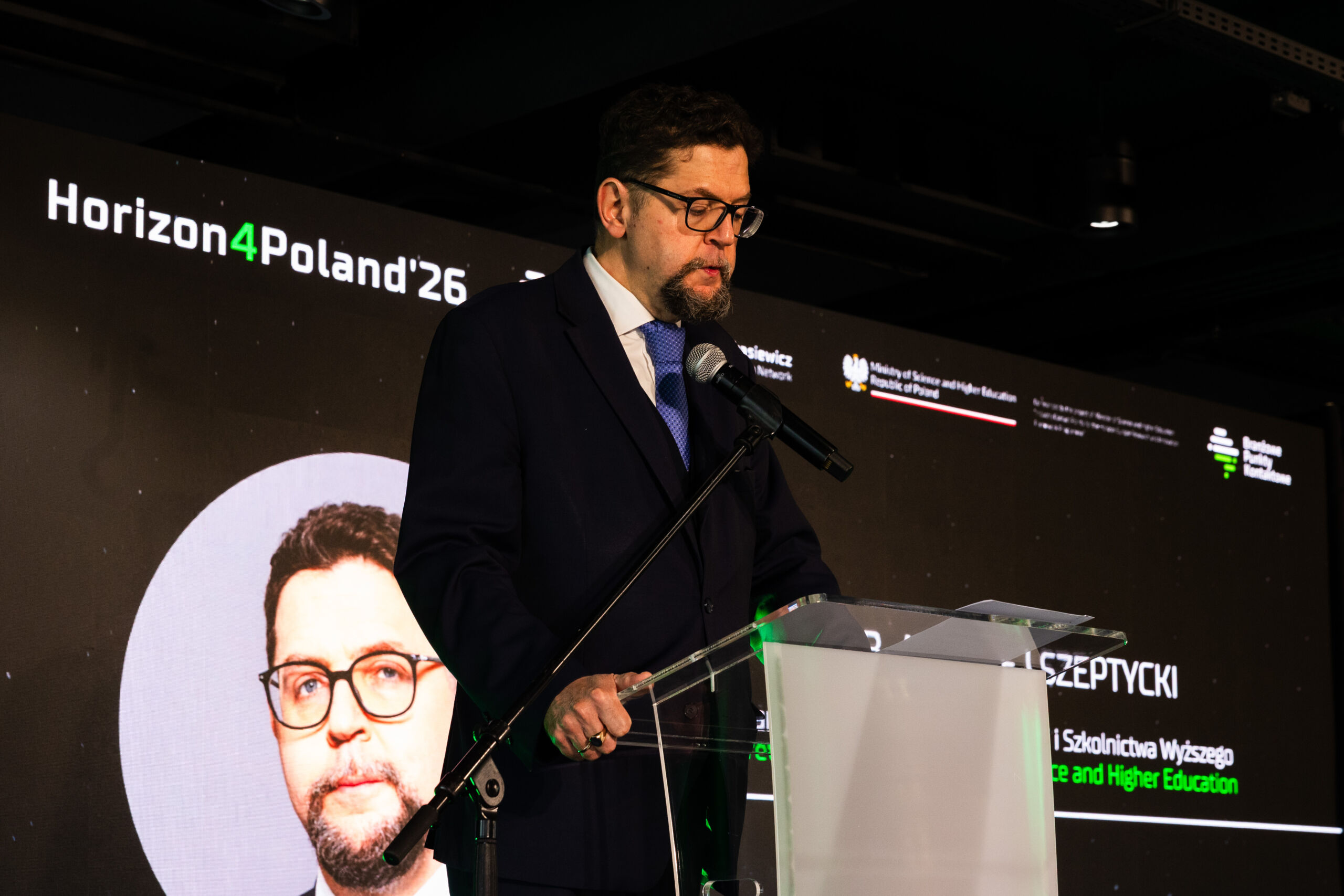
Professor Andrzej Szeptycki, Undersecretary of State at the Ministry of Science and Higher Education, opened the conference by highlighting that Horizon Europe is the European Union’s largest programme supporting research and innovation. He noted that Polish organisations are becoming increasingly successful in securing European funding for research and development. At the same time, he stressed that Poland’s ambition should extend beyond participation in international consortia to include initiating projects and taking on leadership roles within the European research and innovation landscape.
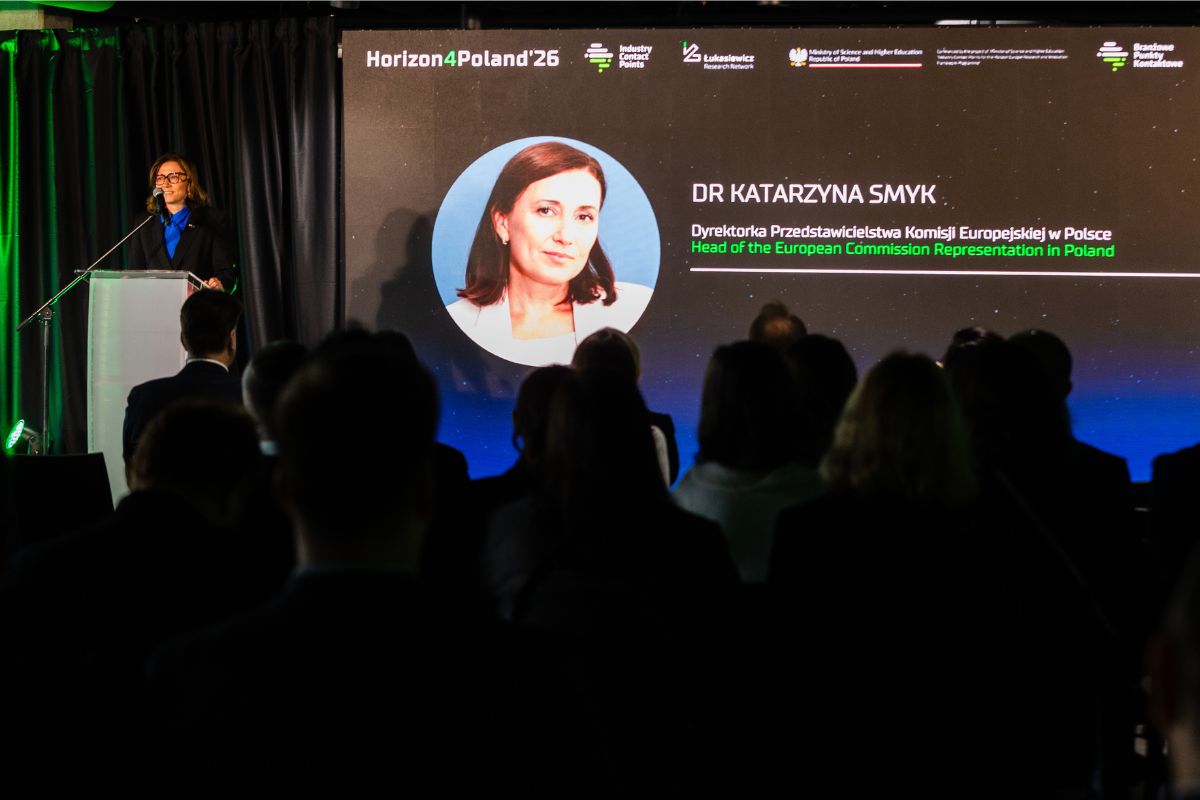
Dr Katarzyna Smyk, Director of the European Commission Representation in Poland, highlighted that investment in research and development has become a key component of Europe’s long-term strategy for strengthening its competitiveness through knowledge, talent, and innovation.
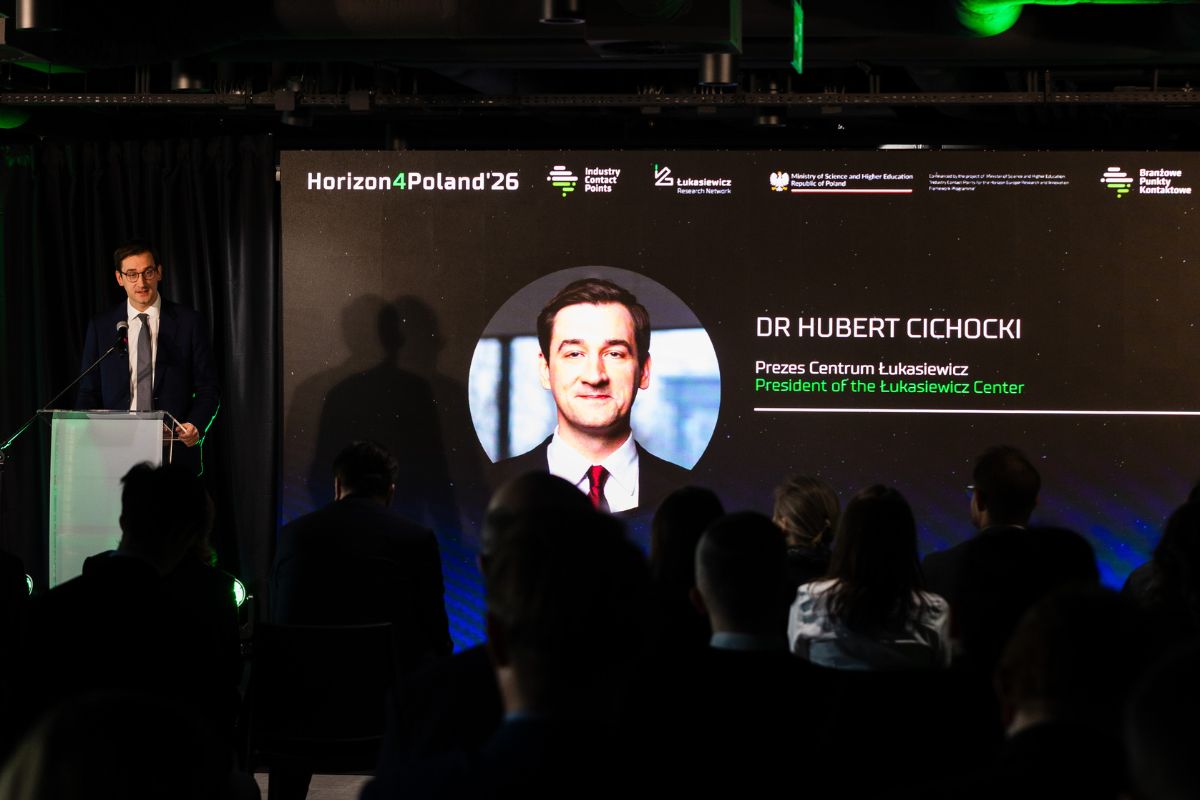
Dr Hubert Cichocki, President of the Łukasiewicz Research Network, pointed out that increasing research funding alone is not enough. He emphasised that turning an invention into a successful innovation requires both researchers willing to transfer knowledge to the economy and strong companies capable of implementing new solutions and transforming them into viable business models.
From a Polish Start-up to a European Space Industry Leader
One of the highlights of the programme was a keynote presentation by Dr Grzegorz Brona, President and CEO of Creotech Instruments S.A.. By sharing the company’s growth journey, he demonstrated how consistent investment in research and development, support from public funding programmes, and the determination to pursue ambitious goals enabled a small Polish enterprise to evolve into one of the country’s most innovative technology companies.
Creotech Instruments currently manufactures around ten satellites per year, employs more than 400 people, and remains 95% Polish-owned. As Grzegorz Brona noted, the company’s next ambition is to contribute to the development of a Polish and European lunar mission.
What Is the Future of Horizon Europe?
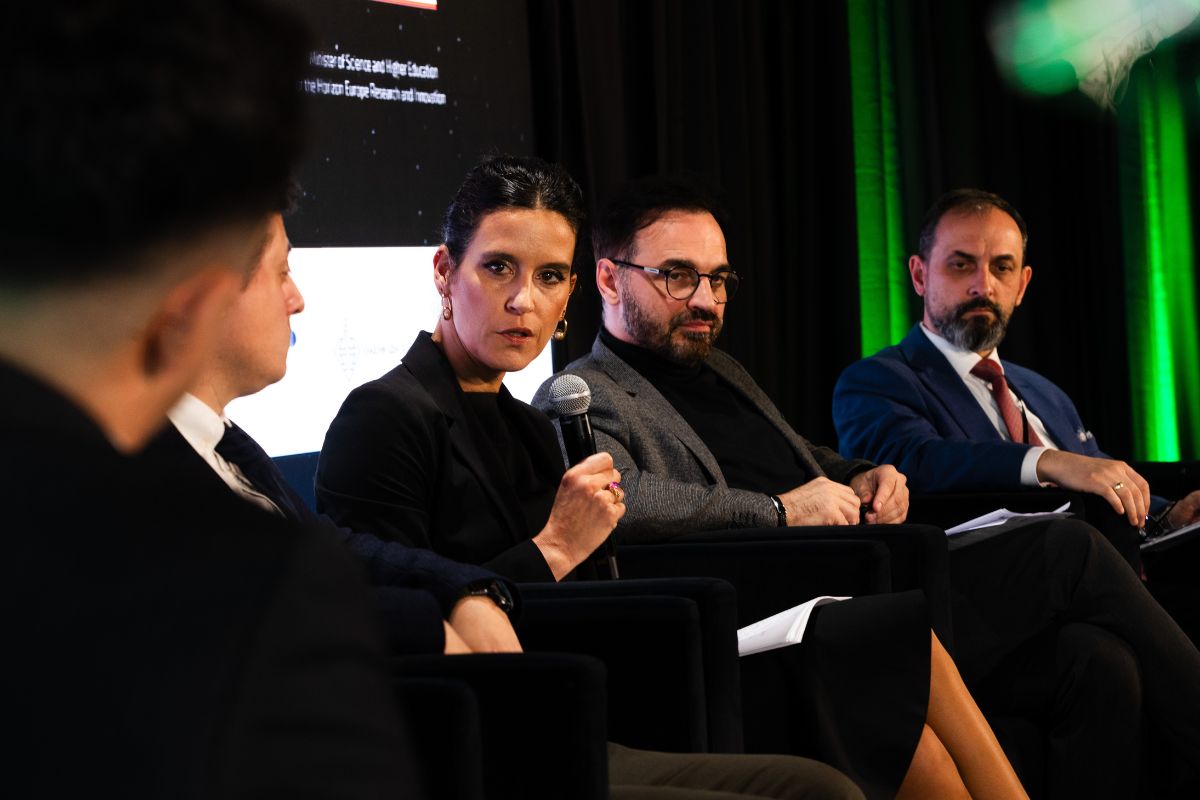
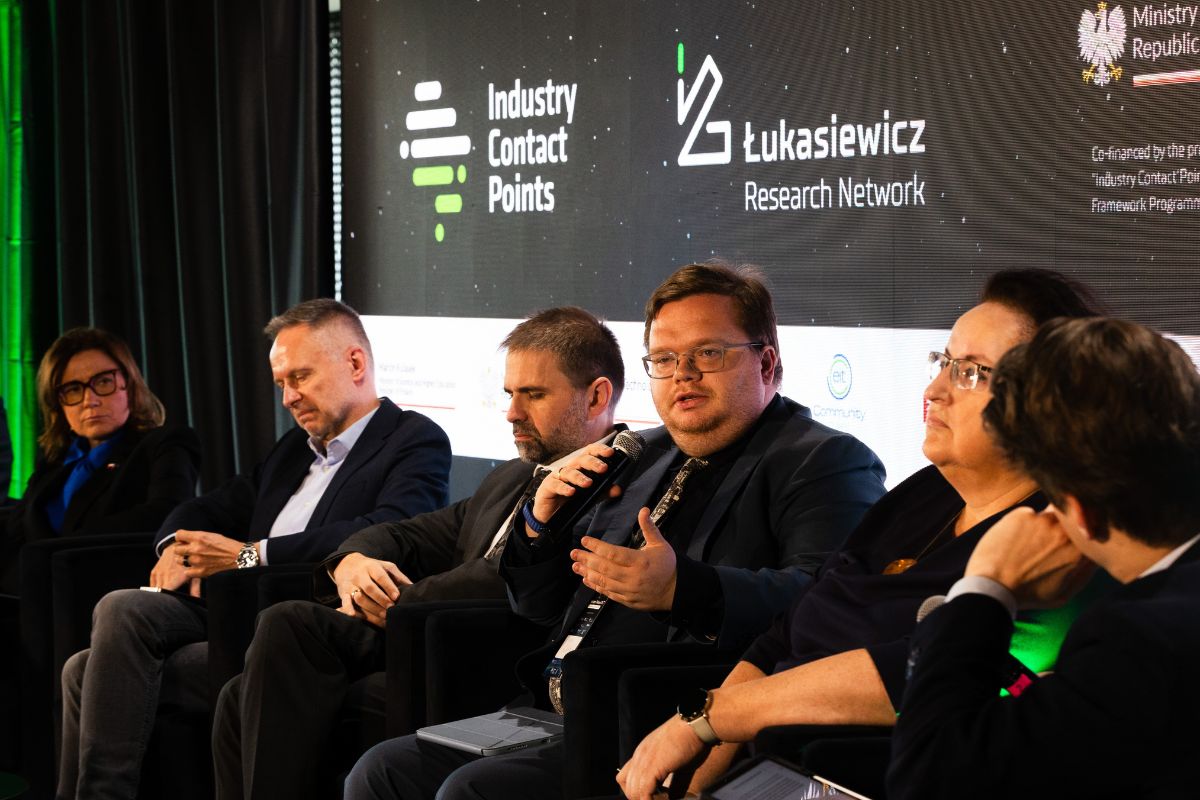
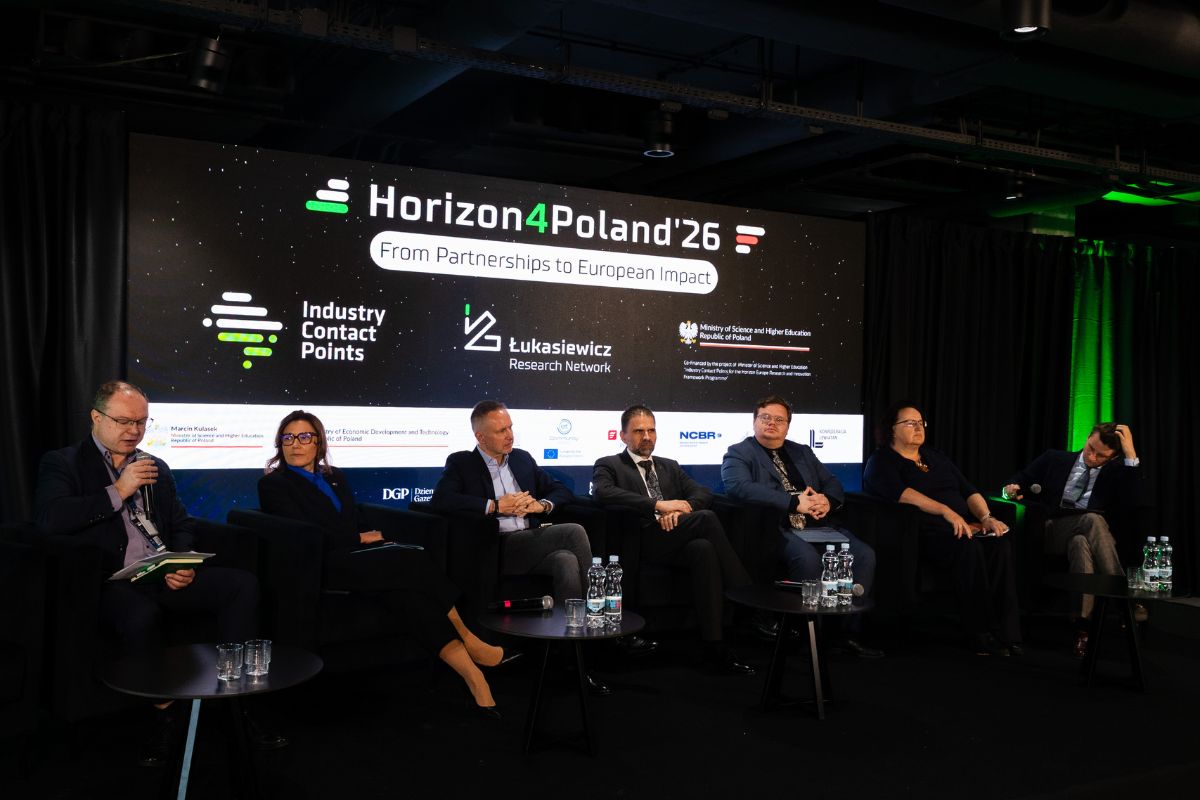
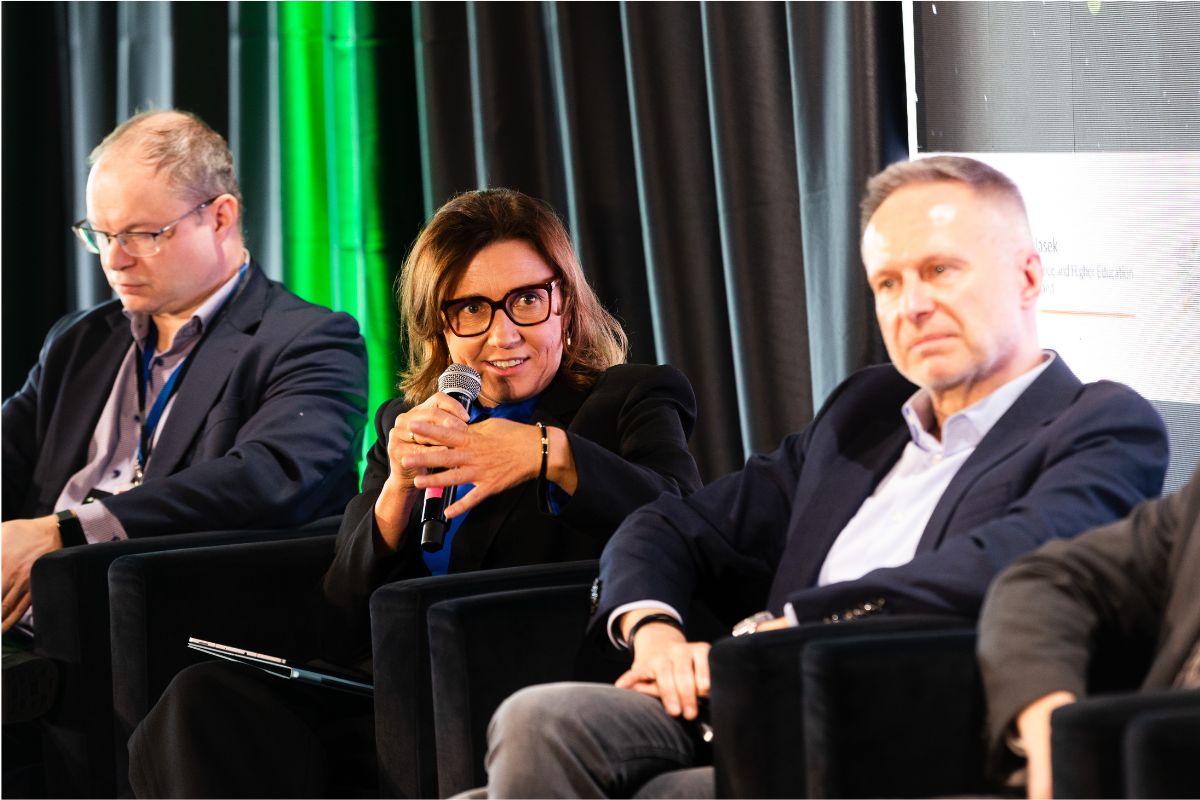
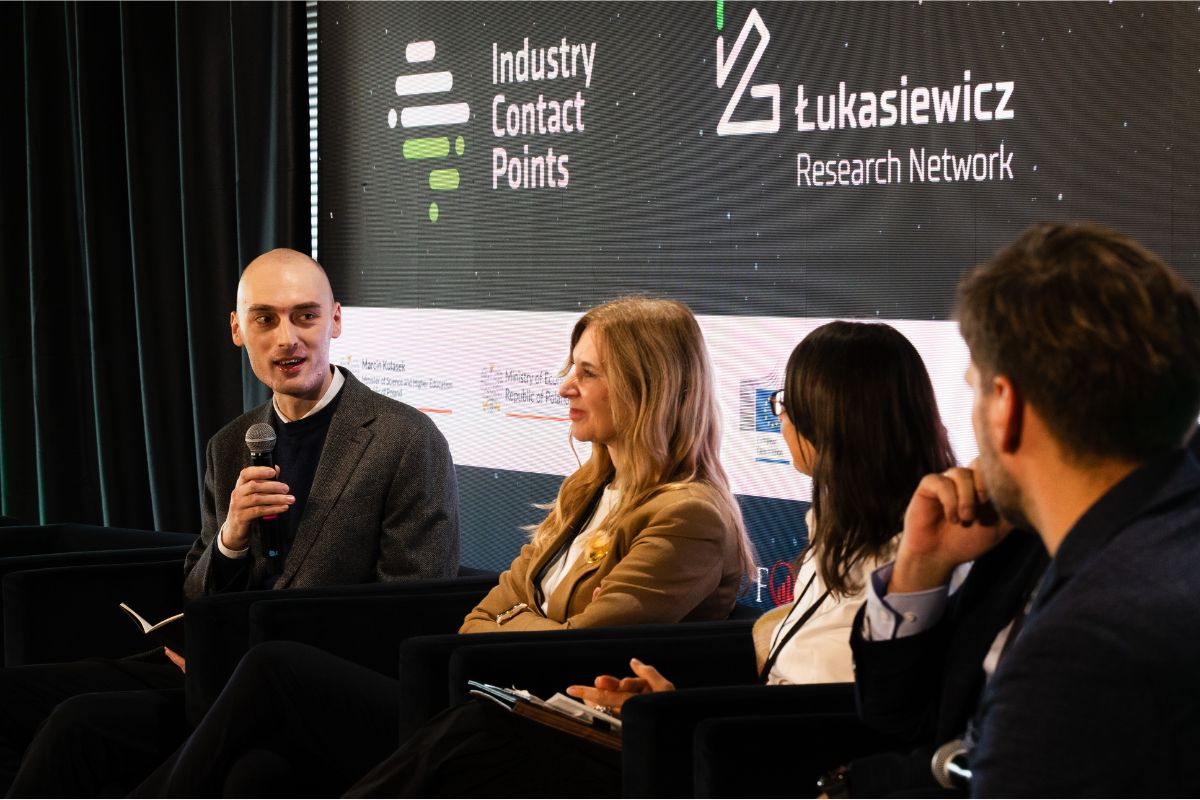
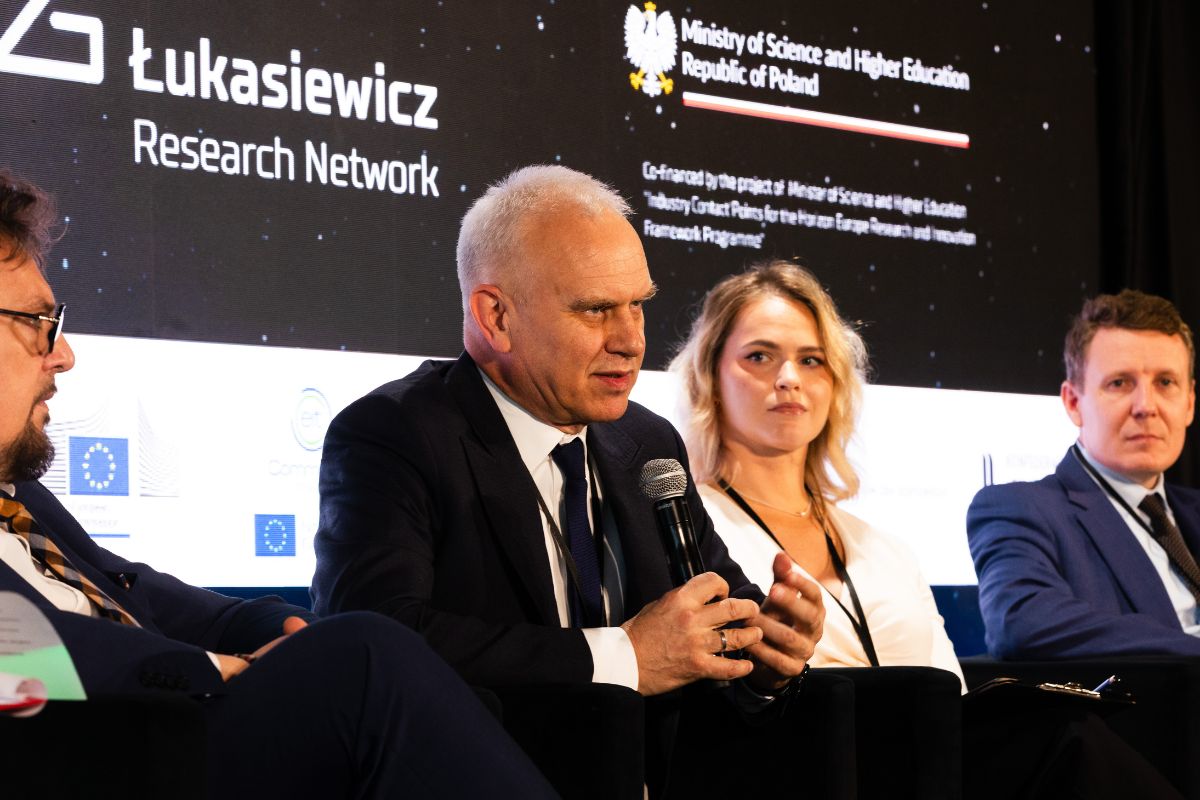
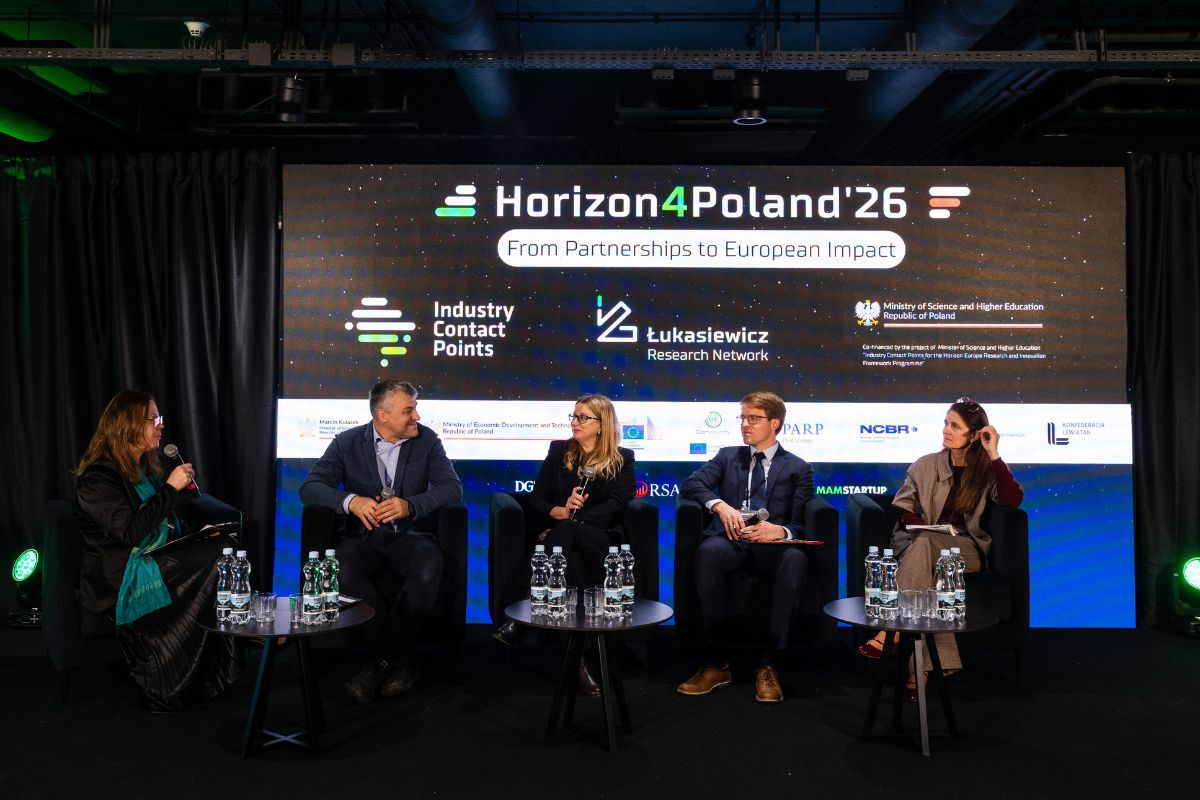
One of the main themes of the conference was the future of European funding for research and innovation beyond 2027. The discussion brought together Michał Goszczyński, Director of the Department of International Cooperation at the Ministry of Science and Higher Education; Prof. Jolanta Itrich-Drabarek, Vice President for Research at the Łukasiewicz Centre; Marcin Kwasowski, Deputy Director of the Economic Department at the Ministry of Foreign Affairs; Dr Tomasz Mazuryk, Co-founder and CEO of FundingBox Group; Prof. Krzysztof Pyrć, President of the Foundation for Polish Science; and Dr Katarzyna Smyk, Director of the European Commission Representation in Poland. The panel was moderated by Dr Michał Matlak, Director of the Łukasiewicz – ITECH Institute of Innovation and Technology.
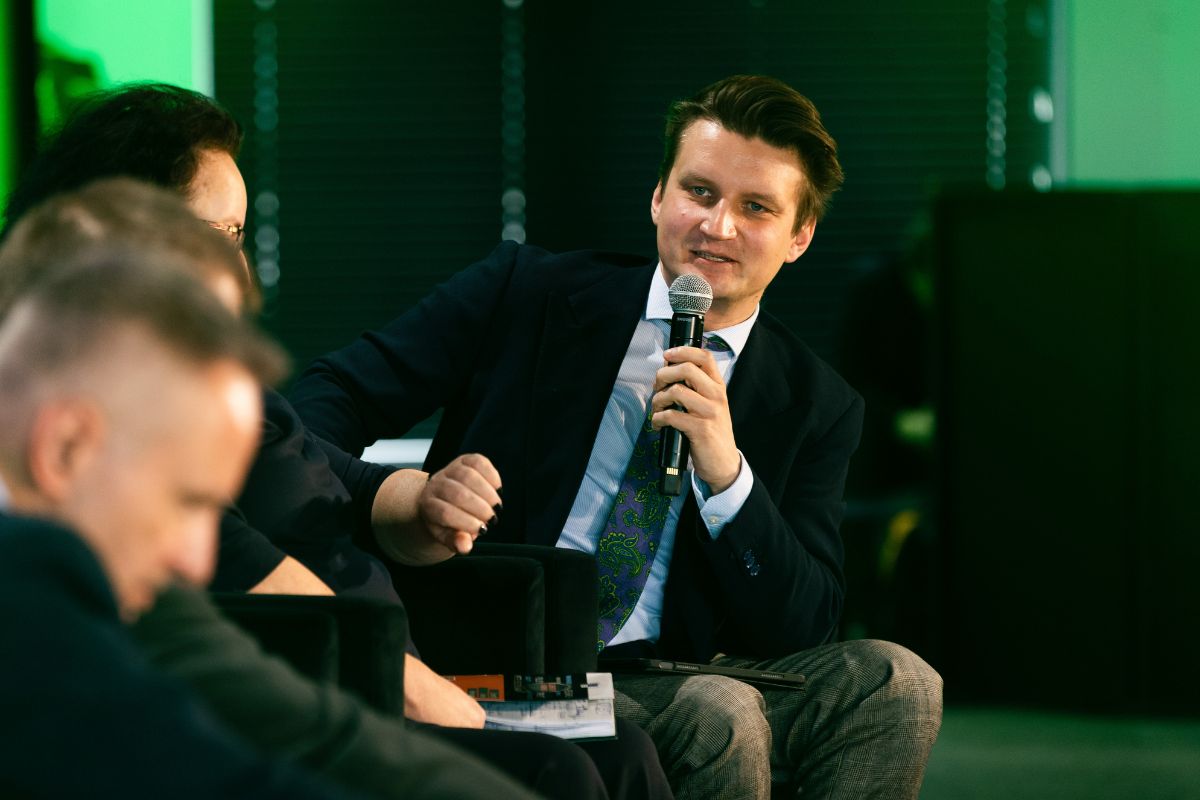
Participants noted that negotiations on the next European Union budget are taking place in an especially challenging geopolitical environment, which may have a direct impact on the level of funding allocated to innovation programmes in the next multiannual financial framework. Panelists stressed that Poland’s ambition should extend beyond increasing participation in European projects to ensuring that research results are more effectively transformed into market-ready solutions. In this context, the Industry Contact Points were highlighted as a key component of Poland’s innovation support ecosystem, serving as a bridge between science and industry. The discussion also underscored the importance of investment in advanced research infrastructure. Through significant funding, including support from the National Recovery and Resilience Plan, the Łukasiewicz Research Network has substantially expanded its technological capabilities, creating conditions for prototype validation, pilot testing and the commercialisation of innovations. This is particularly important for SMEs, which often lack the resources required to independently carry out such advanced research and development activities.
Participants also emphasised that, alongside increased funding, clear and supportive regulations, the removal of systemic barriers, and better access to capital are essential for accelerating the development and commercialisation of innovative solutions. They stressed that entrepreneurs need not only financial resources but also a regulatory environment that enables innovations to move more efficiently from the laboratory to the market.
Space Technologies and European Technological Sovereignty
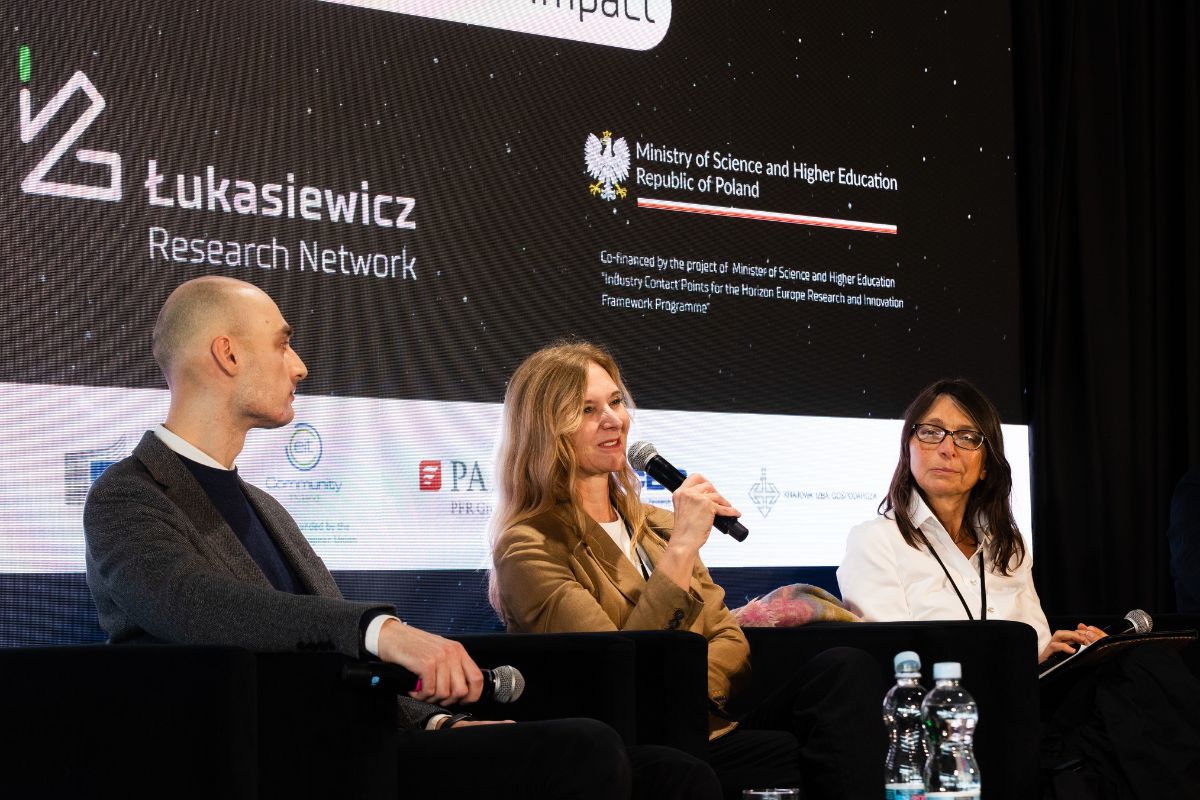
A panel discussion on the space sector and strategic technologies attracted significant interest from conference participants. Moderated by Jan Jęcz of Polityka Insight, the session featured Michał Chwieduk, Head of the European Space Agency Business Incubation Centre in Poland; Dr Jędrzej Kowalewski, President and CEO of Scanway S.A.; Monika Machowska, Deputy Director of the Technology Park Department at the Kraków Technology Park; and Prof. Dorota Pawlak, President of ENSEMBLE3.
Experts agreed that European technological sovereignty does not mean isolating Europe from international partners, but rather strengthening its own capabilities, developing critical technologies, and ensuring resilient supply chains. In this context, increasing the focus on local content was highlighted as an important way to strengthen European and Polish technological solutions, enabling them to become leading technologies within international value chains and collaborative projects.
Among the key challenges identified by the panelists was the need to secure access to strategic materials, components, and subsystems that are essential for space, photonics, and semiconductor technologies. The discussion also highlighted the importance of building a comprehensive innovation ecosystem, spanning scientific research and funding, advanced research infrastructure, start-up support, industrial integration, and the scaling of innovative solutions to the market.
Panelists noted that Polish companies are becoming increasingly competitive in international markets, while the development of space technologies is emerging as a key driver not only of economic growth, but also of national security and Europe’s long-term strategic resilience.
Poland and Türkiye Seek to Expand Joint Innovation Projects
The discussion on Polish-Turkish cooperation was opened by H.E. Rauf Alp Denktaş, Ambassador of Türkiye to Poland, who highlighted security, emerging technologies, and joint research projects as the areas offering the greatest potential for cooperation between the two countries.
The panel demonstrated that the potential for cooperation extends far beyond traditional trade relations. Participants highlighted significant opportunities for developing joint projects in emerging technologies, energy, defence, and cybersecurity. They emphasised that the potential for collaboration within the Horizon Europe programme and other European innovation-support initiatives remains underutilised. Another important topic was the need for stronger integration between the scientific, business, and institutional communities of both countries, as well as better use of human capital and academic cooperation as a foundation for future technological ventures.
The panel, moderated by Atillą Arda Beşenem, founder and CEO of VolareVers, featured Iwona Bogucka, Managing Director of FND and CEO of ISETIA; Oktay Ercan, EU Projects Expert at the Directorate for European Union Affairs within the Ministry of Foreign Affairs of the Republic of Türkiye; Prof. Dorota Heidrich, Plenipotentiary of the President of the Łukasiewicz Centre for International Cooperation; Witold Leśniak, former Consul General of the Republic of Poland in Istanbul; and Dr Konrad Maj, Director of the HumanTech Center.
The Energy Transition Requires Innovations Ready for Deployment
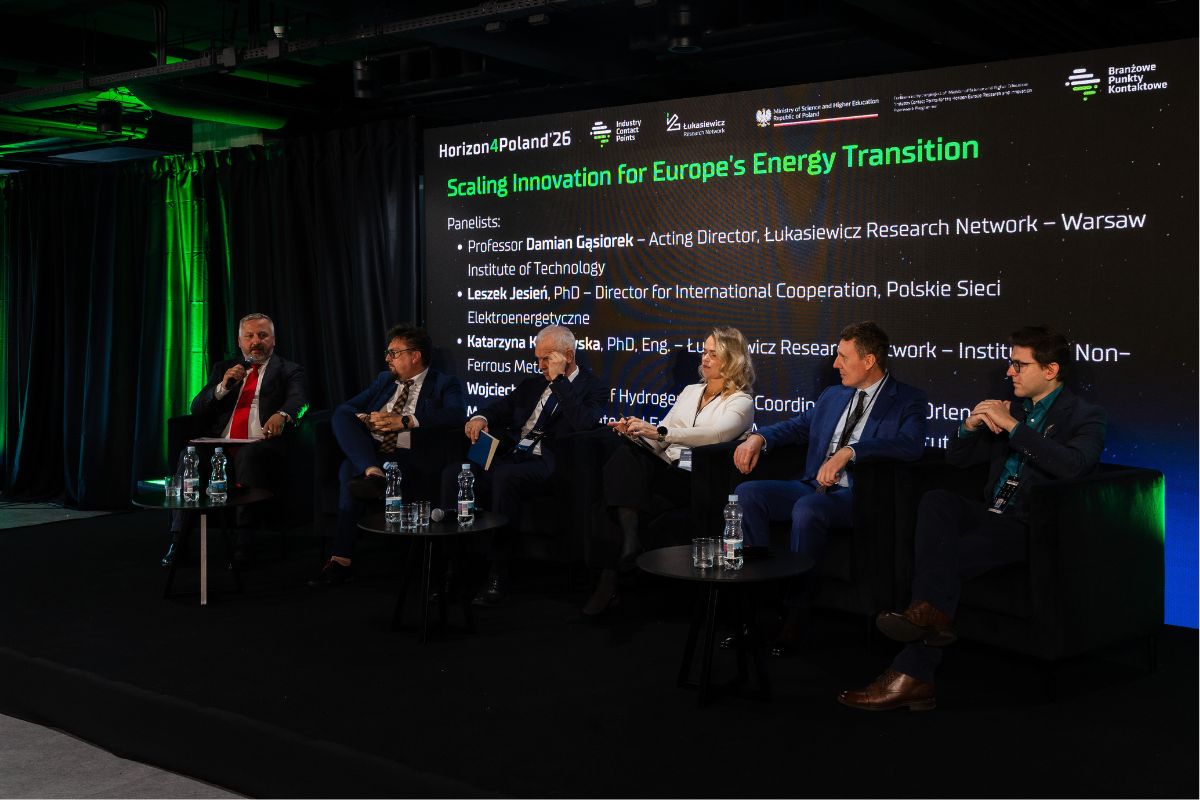
An important part of the programme was a discussion on the energy transition and the scaling of innovation. The panel featured Prof. Damian Gąsiorek, Acting Director of Łukasiewicz – Warsaw Institute of Technology; Dr hab. Leszek Jesień, Director for International Cooperation at Polskie Sieci Elektroenergetyczne; Dr Eng. Katarzyna Klejnowska of Łukasiewicz – Institute of Non-Ferrous Metals; Wojciech Lach, Head of the Hydrogen Projects Coordination Team at Orlen S.A.; and Maciej Ligiński, Climate and Energy Policy Analyst at the Institute for Reform. The discussion was moderated by Michał Niewiadomski, Founder and President of the Energy Club.
Experts emphasised that the challenge is no longer limited to developing new technologies, but rather ensuring their successful progression through the demonstration, deployment, and commercialisation stages. In many cases, the greatest barriers are legal and regulatory constraints, as well as the lack of appropriate frameworks enabling the efficient integration of new solutions into existing systems. The discussion also covered energy storage, hydrogen technologies, which may become a key component of Poland’s future energy mix, the digitalisation of the energy sector, and dual-use technologies with applications in both civilian and defence sectors.
According to the panelists, the success of the energy transition will depend on close cooperation between research institutions, industry, funding organisations, and businesses capable of deploying and scaling innovative solutions.
Partnerships That Deliver Real Value
The programme also featured a panel dedicated to European partnerships supporting innovation. Participants emphasised that the greatest value of such partnerships lies in building long-term relationships, facilitating knowledge exchange, and jointly shaping the future direction of technological development.
The discussion also highlighted the need for stronger involvement of Central and Eastern European organisations in international consortia from the very early stages of defining research agendas and developing project proposals. Participants noted that effective partnerships also require greater engagement from large companies, which should take on leadership roles and assume part of the risks that are often difficult for SMEs to bear, as well as a stronger focus on opening public procurement procedures to innovative solutions.
The discussion featured Joanna Broy, Ecosystem Lead for Poland at EIT Health; Dr Eng. Jakub Kruszyński from Orlen S.A.; Dr Eng. Adam Piotrowski, CEO of Vigo Photonics; and Magali Poinot, Head of Governance at the Innovative Health Initiative. The session was moderated by Dr Monika Ślęzak, Coordinator of the Industry Contact Point for Medical Technologies and Health at Łukasiewicz – PORT.
From the Laboratory to the Market
The conference concluded with the “Innovation Success Stories” session, during which entrepreneurs and representatives of the scientific community showcased examples of projects that had been successfully transformed into tangible products and services. Among the featured initiatives were globally promising medical innovations, including a device for drug delivery through the oral mucosa and synthetic oxygen carriers used in transplantation medicine, presented by Prof. Tomasz Ciach of the Warsaw University of Technology. Other examples included Circular Fuels, an Orlen project focused on producing sustainable aviation fuel from reclaimed demolition wood, as well as lessons learned from the ASSURED-UAM project funded under Horizon 2020, presented by Dr Eng. Bartosz Dziugieł of the Łukasiewicz – Institute of Aviation.
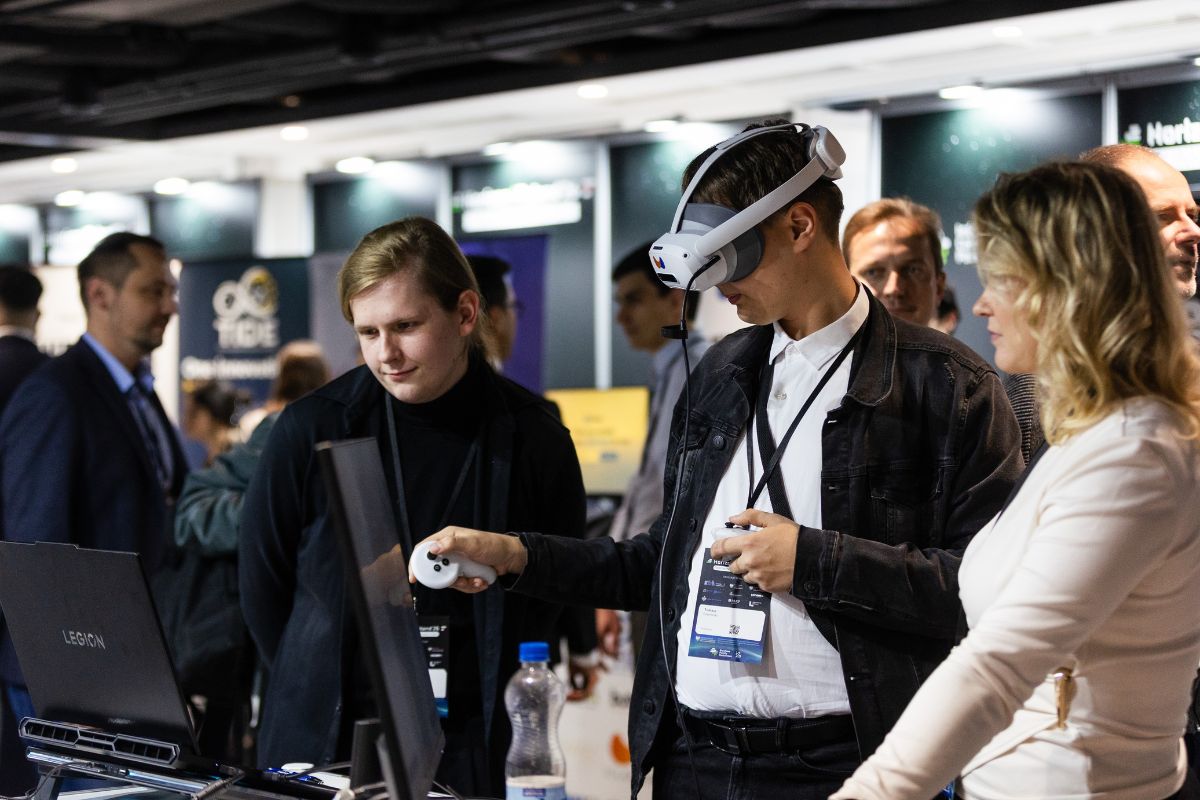
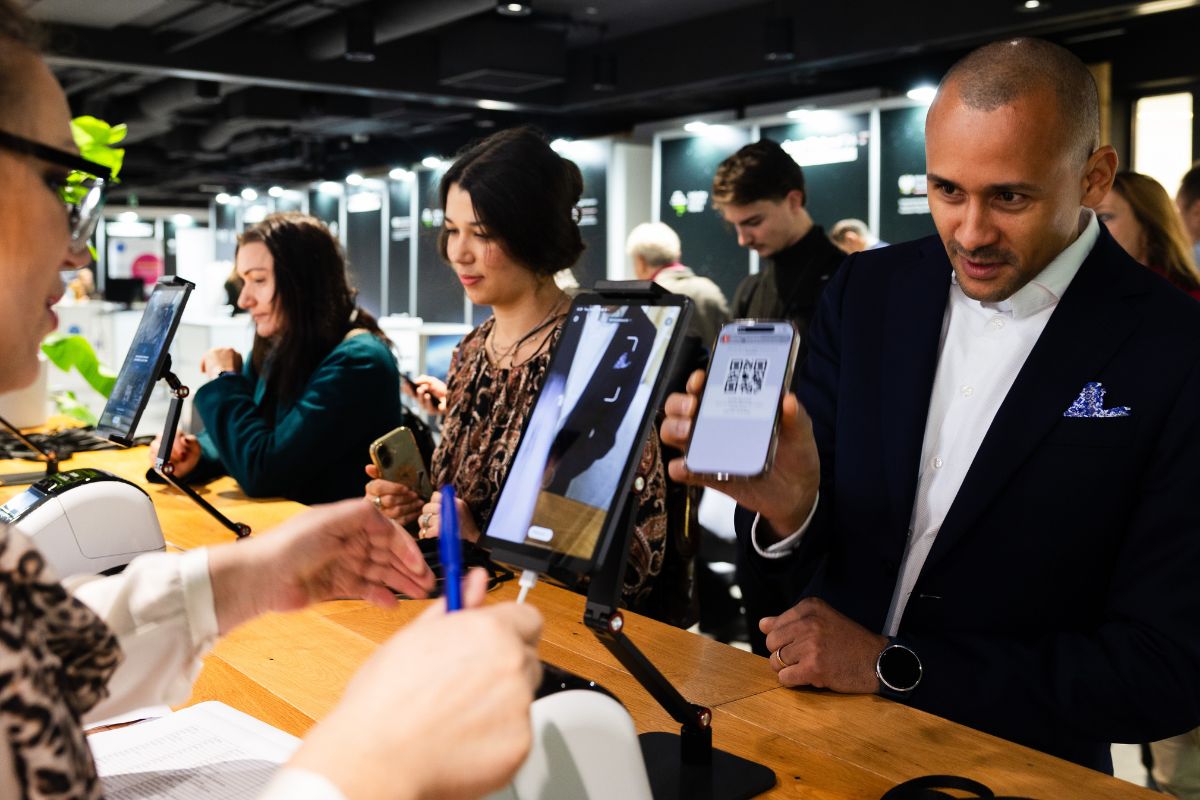
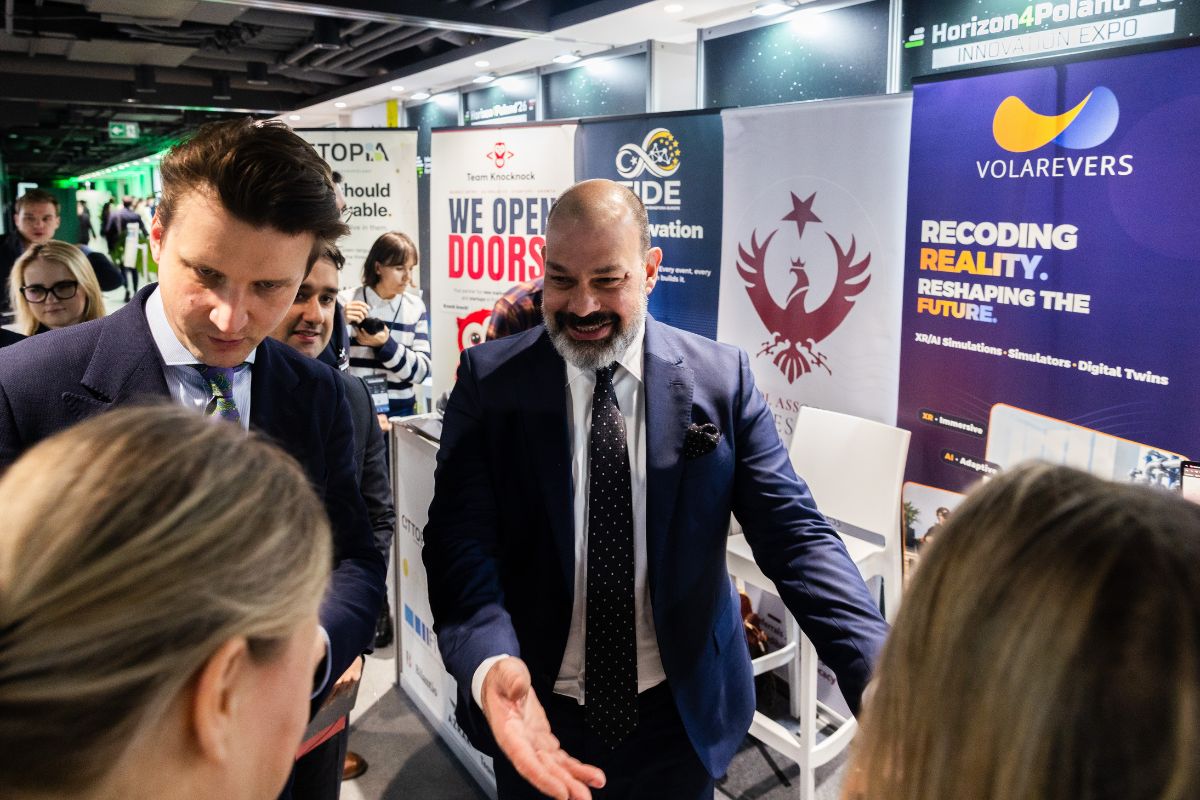
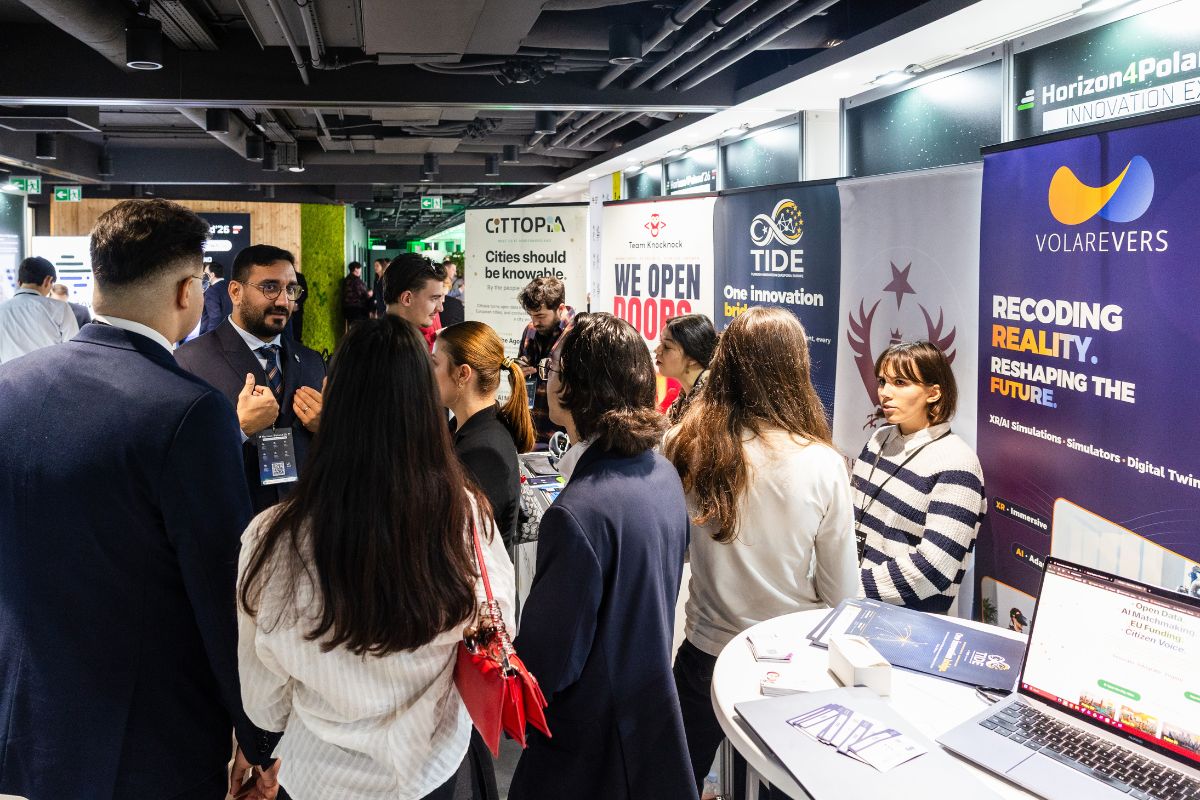
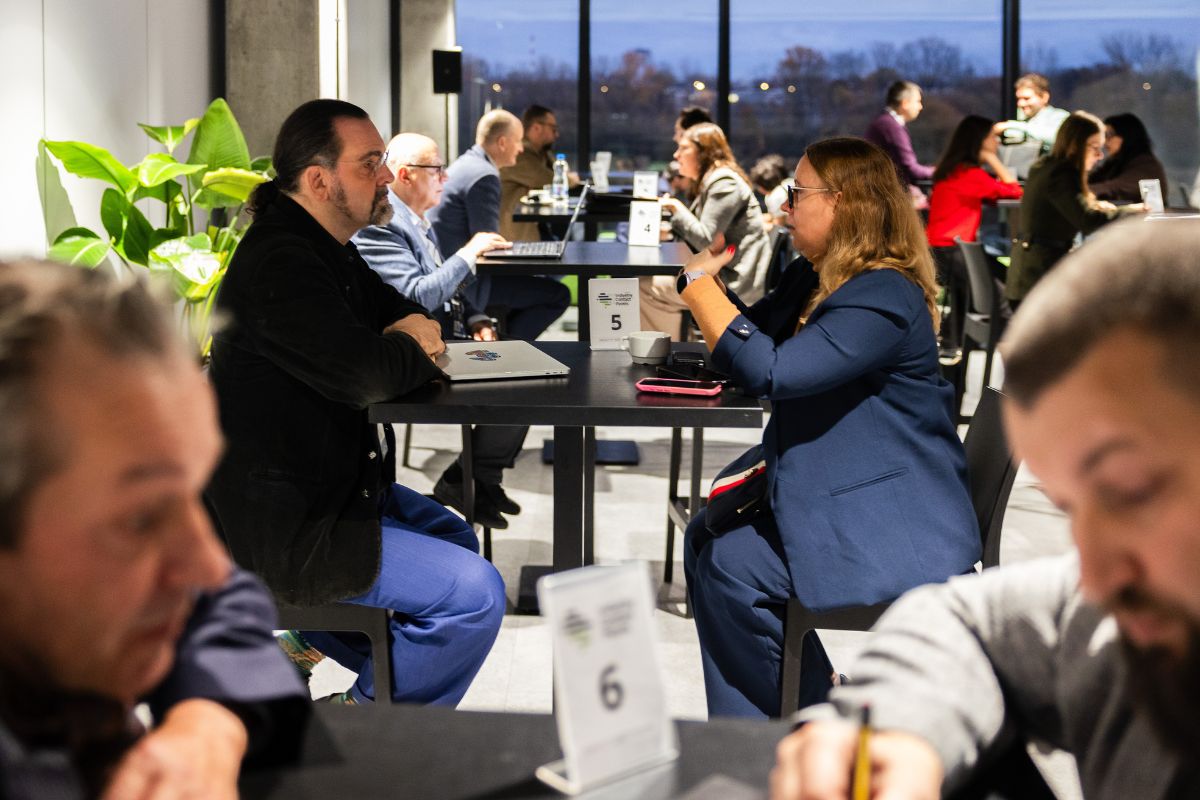
An important part of the event was the matchmaking session, during which representatives of companies, universities, research institutes, and innovation support organisations participated in one-to-one meetings aimed at developing joint projects and building consortia for future Horizon Europe calls. In addition, nearly 20 organisations from Poland, France, and Türkiye showcased their expertise and innovative solutions at Innovation Expo, the exhibition area that remained open throughout the conference.
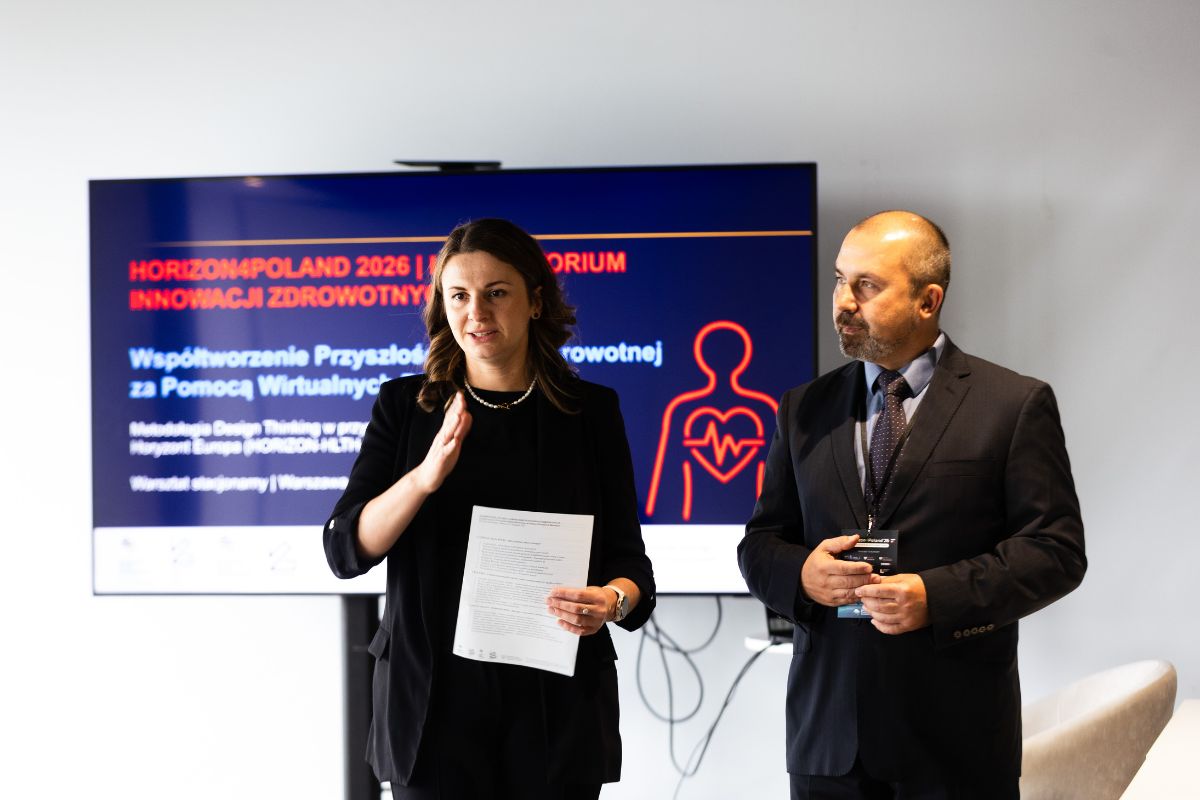
Another key element of the programme was the workshop “Health Innovation Design Sprint: Co-Creating the Future of Healthcare with Virtual Human Twins”, which explored the use of digital human twins in advancing modern medicine.
Horizon4Poland’26 once again demonstrated that the successful development of innovation requires close cooperation between science, business, and public administration. In the face of growing global technological competition, as well as challenges related to security, the energy transition, and digital transformation, building a strong innovation ecosystem is becoming one of the key prerequisites for the continued development of Poland and Europe.
We would like to thank all participants for joining us, our speakers and panelists for the inspiring discussions and valuable insights, and our partners for their support in making Horizon4Poland’26 a success.
Event partners included: Marcin Kulasek, Minister of Science and Higher Education; the Ministry of Development and Technology; the European Commission Representation in Poland; the Łukasiewicz Research Network; EIT Community Hub Poland; the Polish Agency for Enterprise Development (PARP); the National Centre for Research and Development (NCBR); the Polish Chamber of Commerce (KIG); and the Lewiatan Confederation.
Media partners: Dziennik Gazeta Prawna, Forsal.pl, My Company, Mam Startup