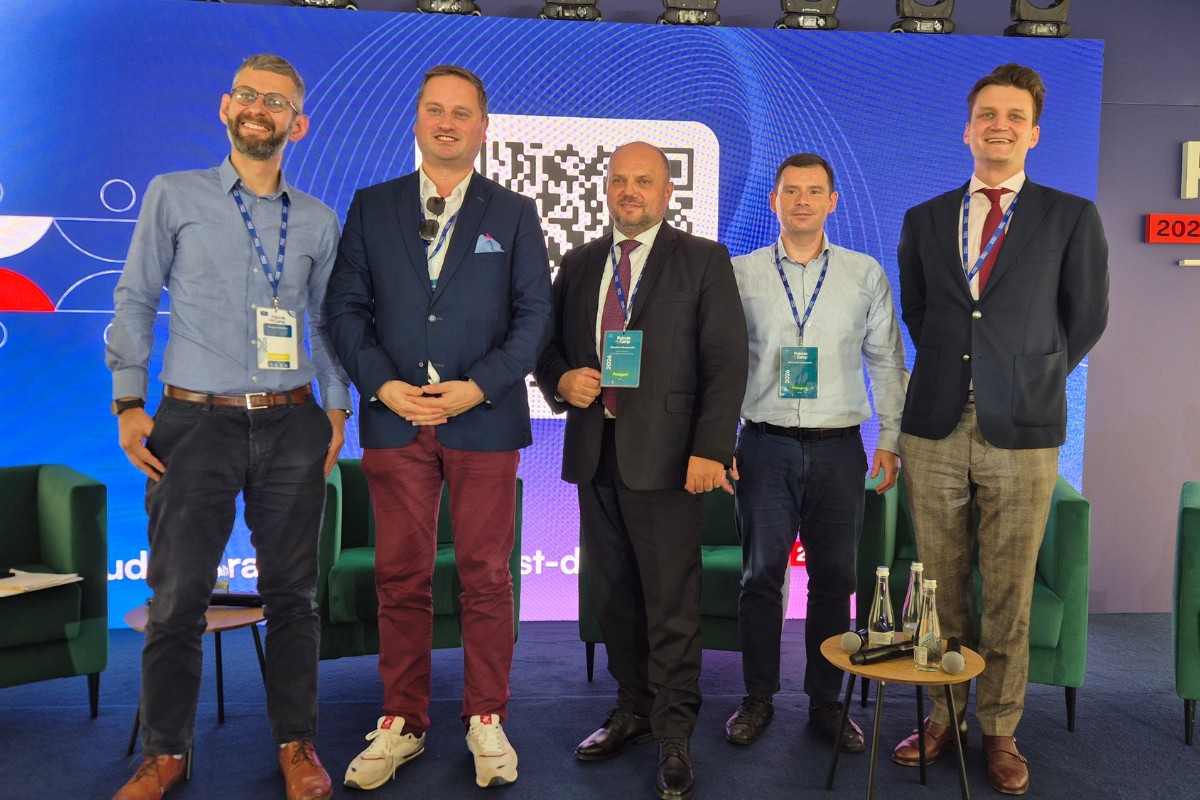
What opportunities for education, professional development and career growth are available to young people of Polish heritage from around the world? This was the focus of one of the expert panels held during this year’s Polonia_Camp 2026, the largest event bringing together young members of the Polish diaspora.
Among the invited speakers was Michał Matlak, Director of Łukasiewicz – ITECH, who highlighted Poland’s development potential and presented the opportunities offered by the Łukasiewicz Research Network.
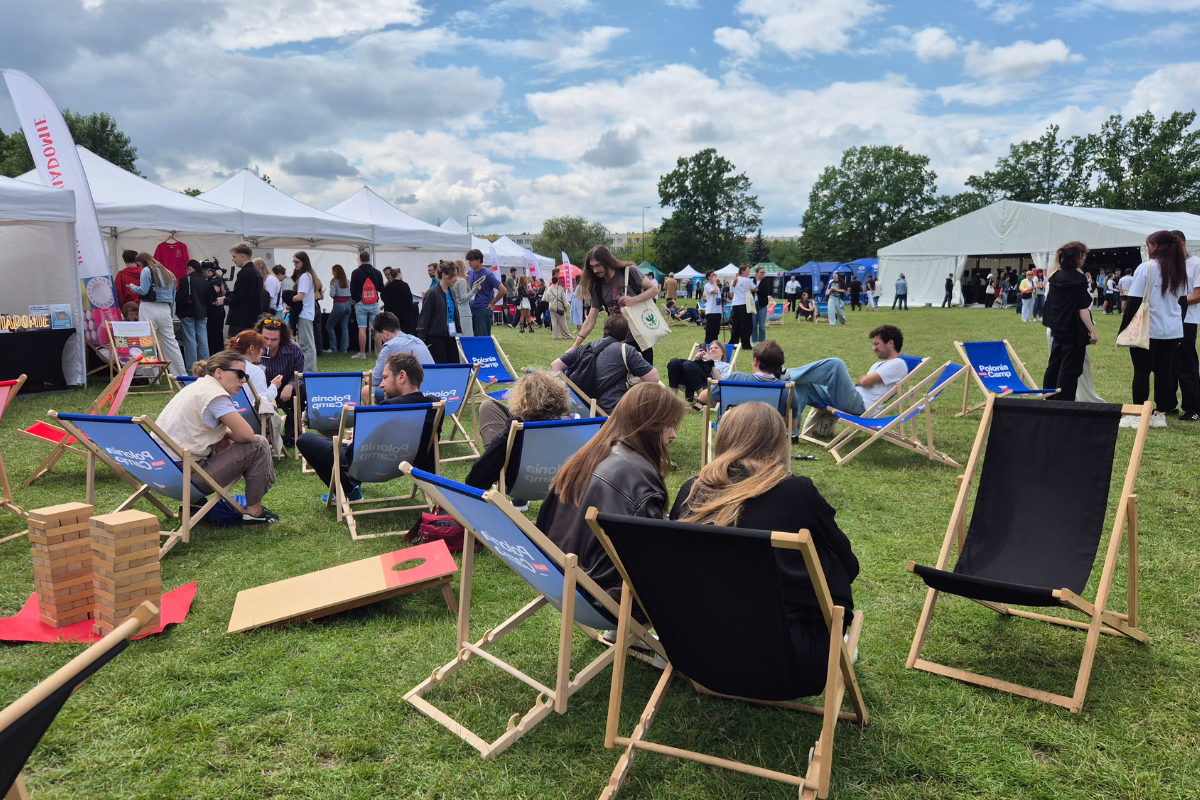
Polonia_Camp 2026 was the second edition of an event designed for young people of Polish heritage living abroad. The four-day gathering brought together nearly 1,500 participants from around the world, creating a space for exchanging experiences, building connections and exploring the educational and career opportunities available in Poland. The Łukasiewicz Research Network was a partner of the event.
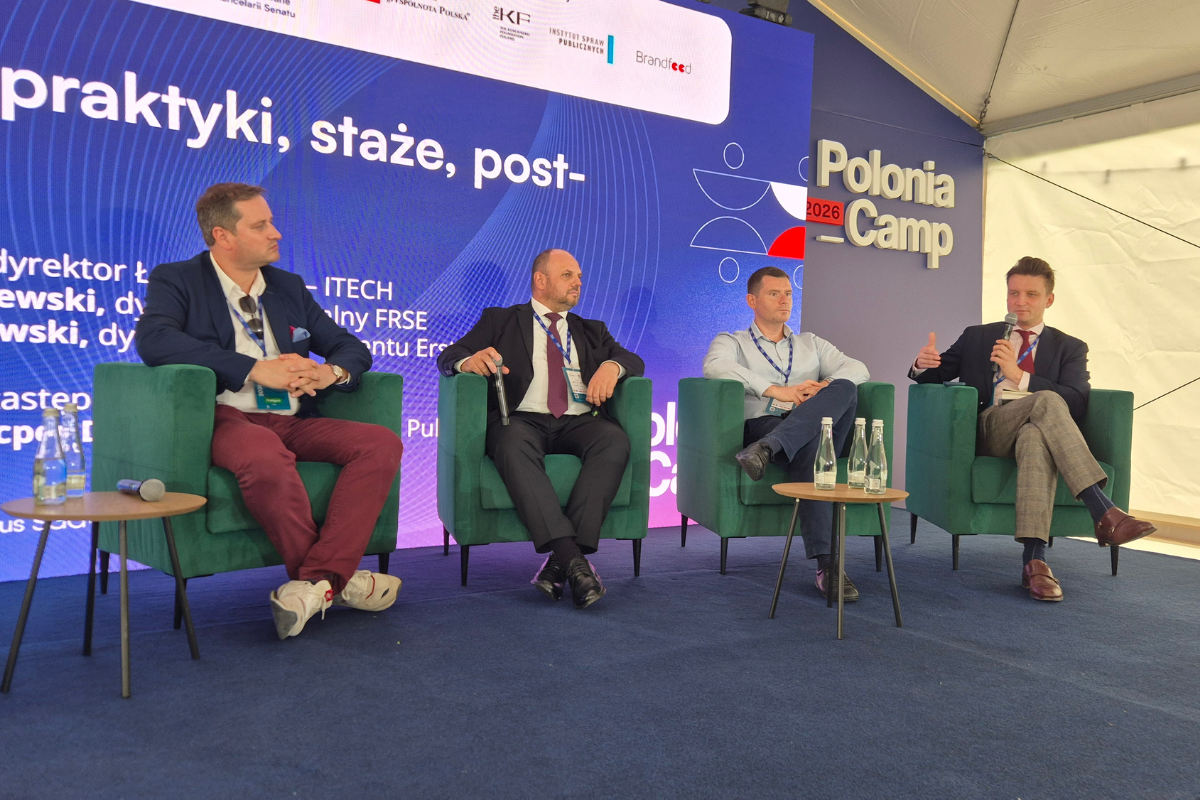
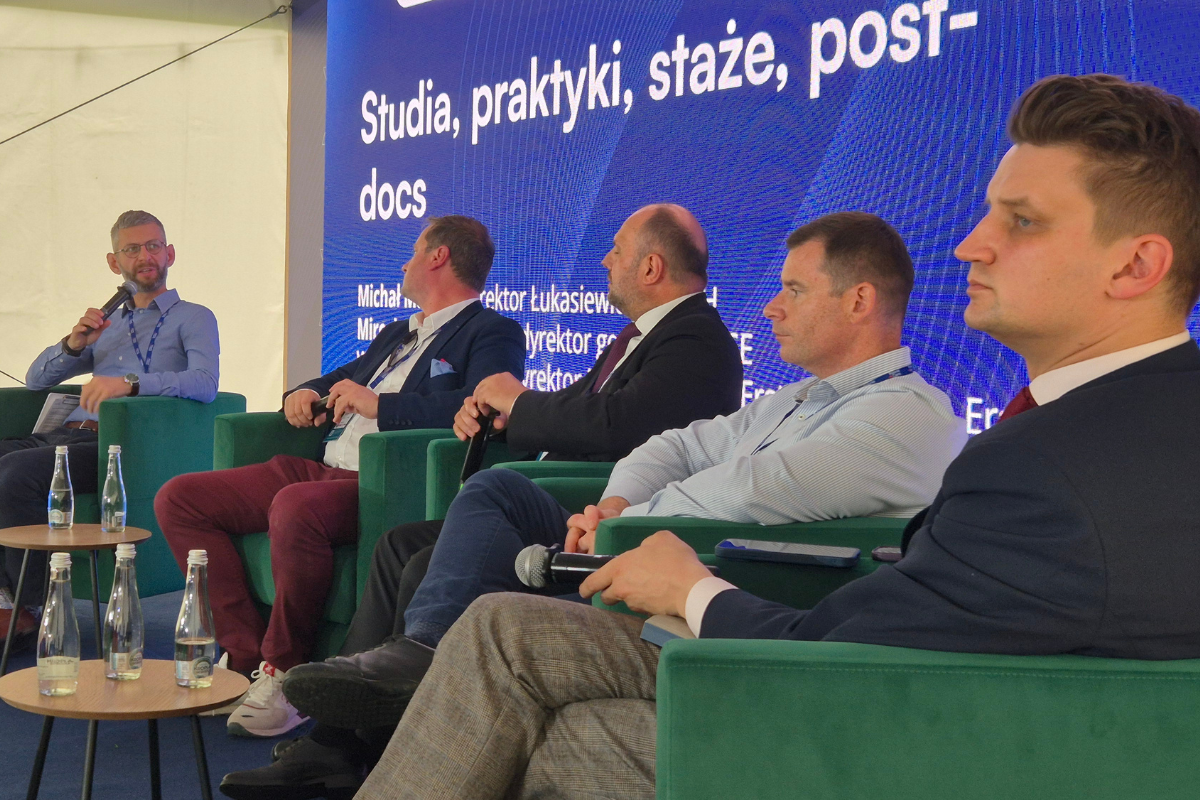
On the second day of Polonia_Camp, a panel discussion explored opportunities to study in Poland, undertake internships and traineeships, and build an academic or professional career in the country. Alongside Michał Matlak, Director of Łukasiewicz – ITECH, the panel featured Łukasz Gołota, Deputy Director of the Polish National Agency for Academic Exchange (NAWA); Wojciech Leśniewski, Head of Erste Education at Erste Bank Polska; and Mirosław Marczewski, Director General of the Foundation for the Development of the Education System. The discussion was moderated by Dr Kacper Dziekan from the Institute of Public Affairs.
Poland as a Destination for Personal and Professional Growth
During the discussion, the experts agreed that Poland is increasingly attractive as a place to study and gain early professional experience. They highlighted the high quality of education, a strong sense of security, a growing economy, and increasingly close cooperation between universities, businesses and research institutions. Michał Matlak also stressed that young people should take a broader view of development rather than considering it solely in terms of university education.
– Technical fields are key to the future, but education alone is not enough. It is equally important to gain professional experience, develop an area of specialisation, build a broad range of skills and remain open to change. At the beginning of their studies, young people should also give themselves the freedom to experiment and discover their individual strengths. – emphasised the Director of Łukasiewicz – ITECH.
During the panel, he also highlighted the importance of flexibility and the ability to adapt to changing market and technological conditions. He encouraged participants to combine different skill sets and to take a deliberate approach to shaping their own development paths.
Łukasiewicz Research Network Open to Young Talent
One of the topics discussed during the panel was the range of opportunities available for building a career in science and technology in Poland. Michał Matlak introduced participants to the potential of the Łukasiewicz Research Network, which brings together 22 institutes operating across a wide range of scientific and advanced technology fields.
– “Within the Łukasiewicz Research Network, young people can develop their careers across a wide range of fields – from aviation, automotive technologies and industrial chemistry to drone technologies and advanced industrial solutions. Łukasiewicz – ITECH also brings together technological and social expertise, supporting the development of innovations that respond to the needs of both the economy and society,” – he said.
The Director of Łukasiewicz – ITECH also highlighted the importance of international cooperation pursued by the institutes of the Łukasiewicz Research Network. He drew particular attention to the rapidly developing focus on Asia, which may open up a range of promising opportunities for building an international career. Cooperation with countries across the region will also form the central research pillar of a new programme currently being developed by Łukasiewicz – ITECH.
Education, Mobility and Cooperation with Business
The discussion also focused extensively on programmes supporting educational mobility and cooperation between universities and the private sector. Representatives of the Polish National Agency for Academic Exchange and the Foundation for the Development of the Education System presented a range of scholarship and international exchange opportunities, including Erasmus+, the European Solidarity Corps and the Anders Programme.
The representative of Erste Bank, meanwhile, highlighted the growing demand for highly qualified graduates, the importance of high-quality internship programmes, and the increasingly close cooperation between businesses and higher education institutions.
A common message shared by all panellists was the importance of gaining international experience, developing a broad range of skills and building professional networks from the very beginning of one’s studies.
Strong Interest from Participants
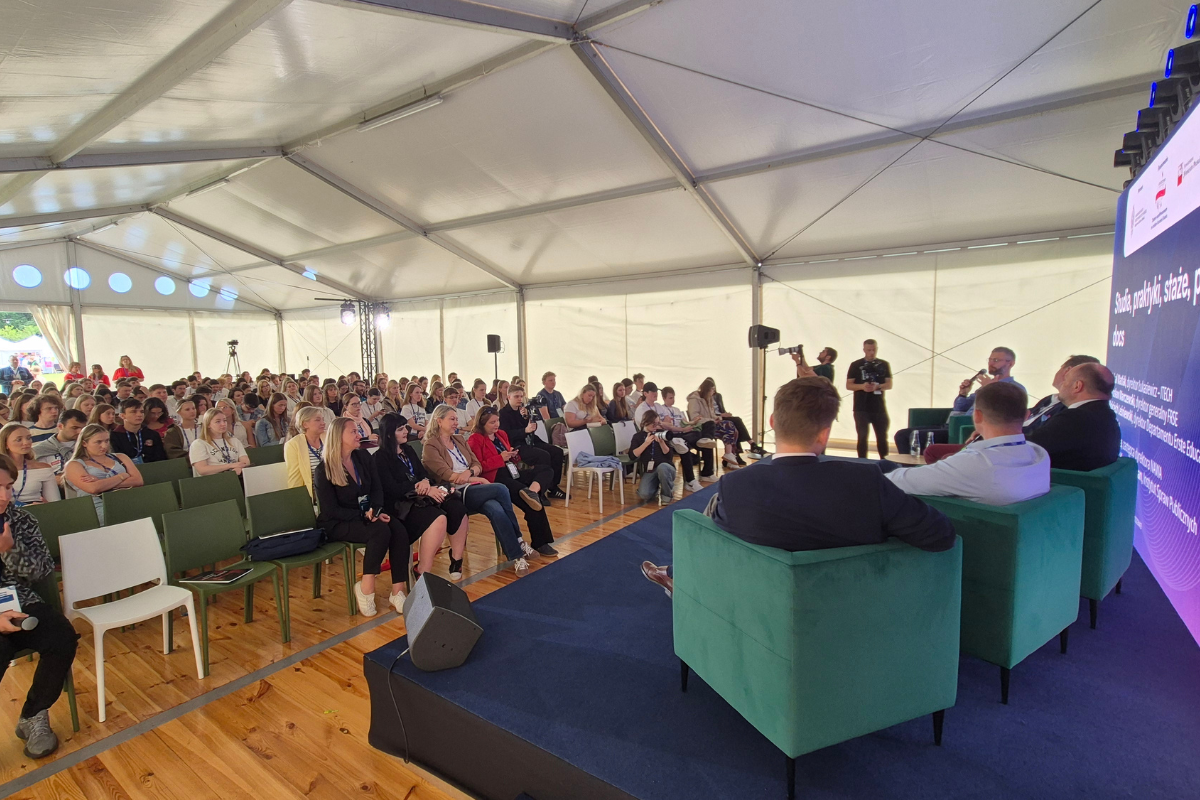
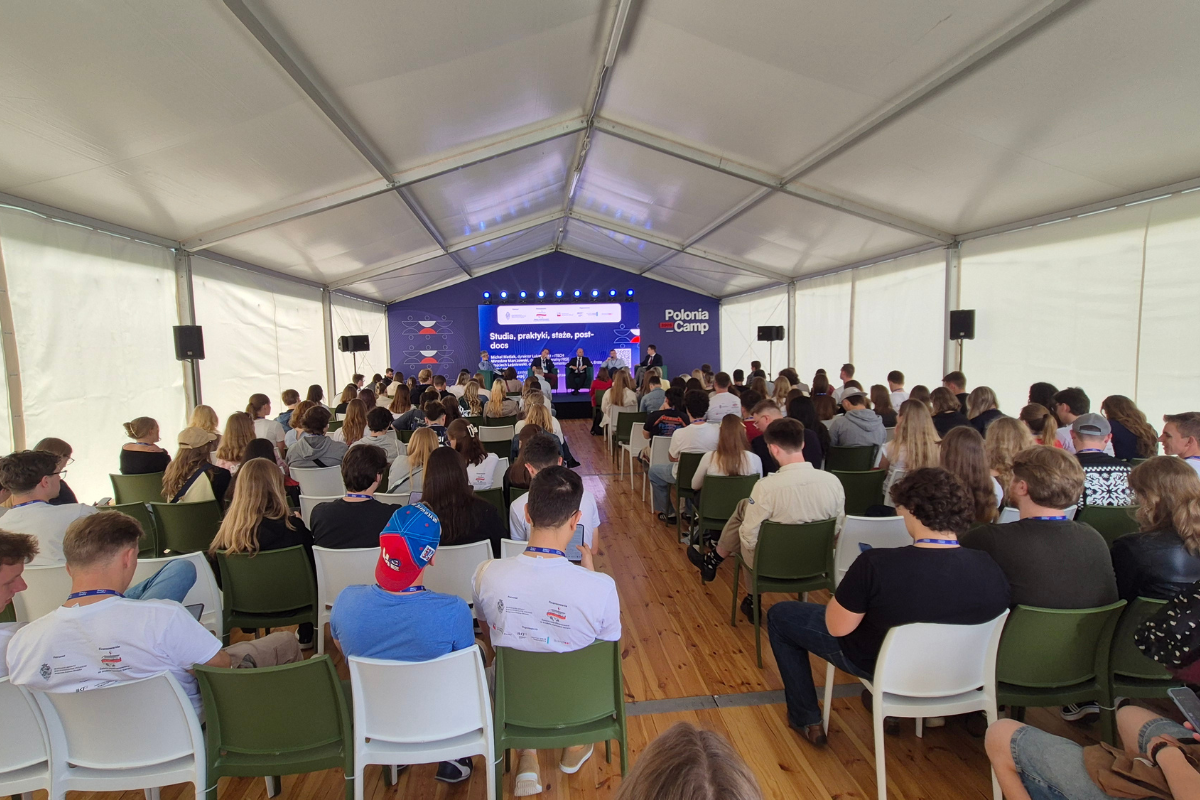
The panel attracted considerable interest among Polonia_Camp 2026 participants, filling the entire event tent. Following the discussion, young members of the Polish diaspora actively asked questions about studying in Poland, scholarship opportunities, internships and pathways for academic development.
Polonia_Camp 2026 provided an excellent opportunity to showcase Poland’s scientific, educational and economic potential to young people from around the world. For the Łukasiewicz Research Network, a partner of the event, it was also a valuable platform for presenting the wide range of development opportunities offered by Polish research institutes within the Network and for encouraging young members of the Polish diaspora to consider building their educational and professional future in Poland.