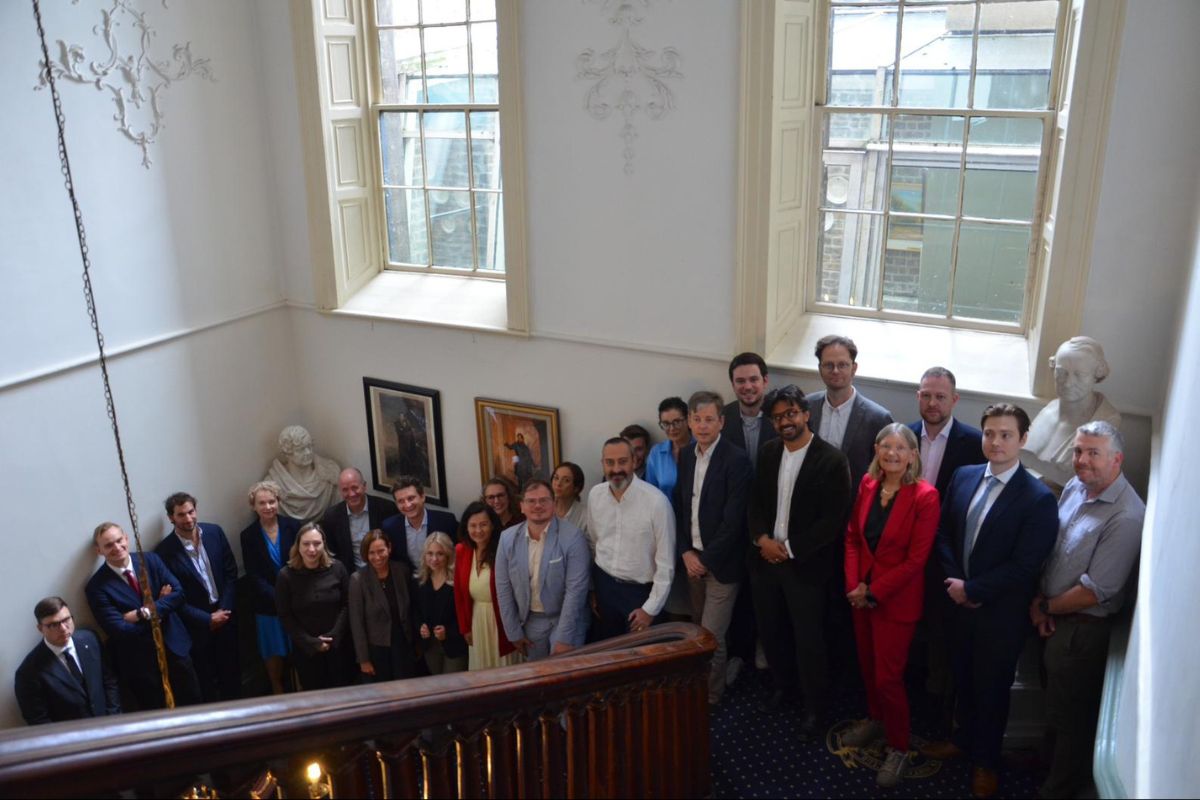
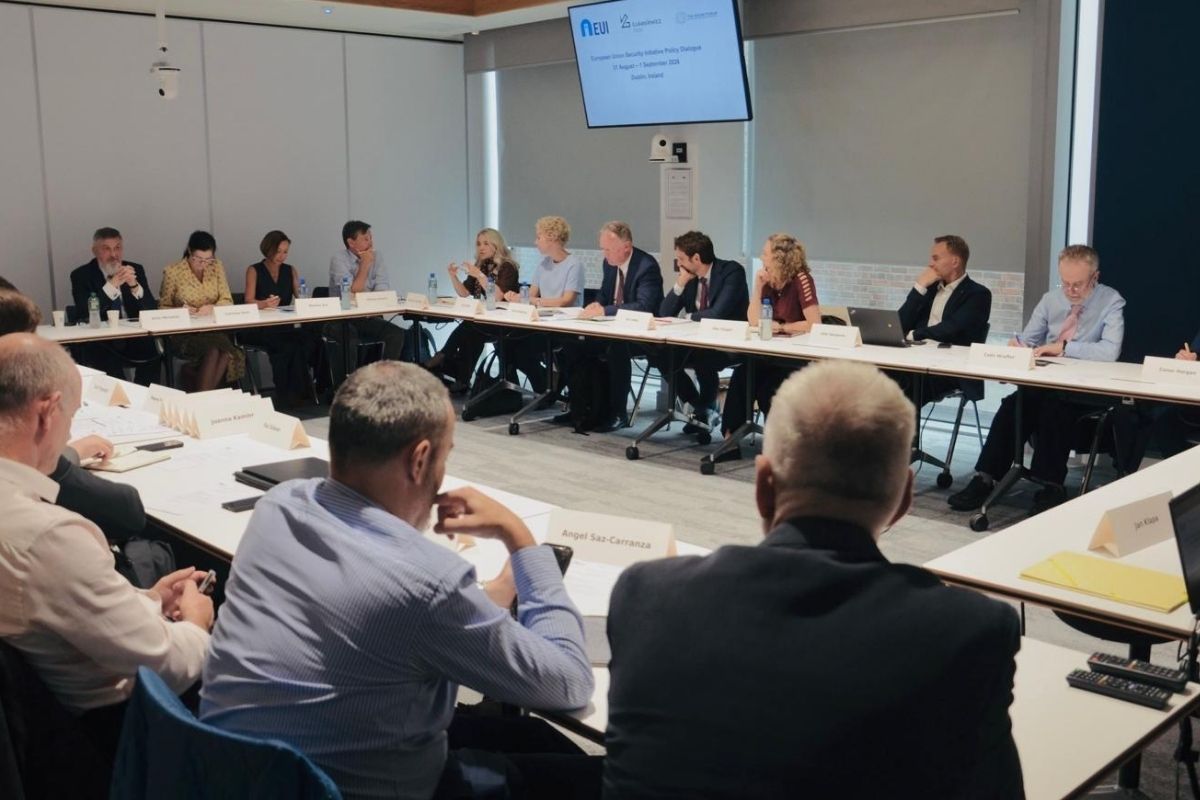
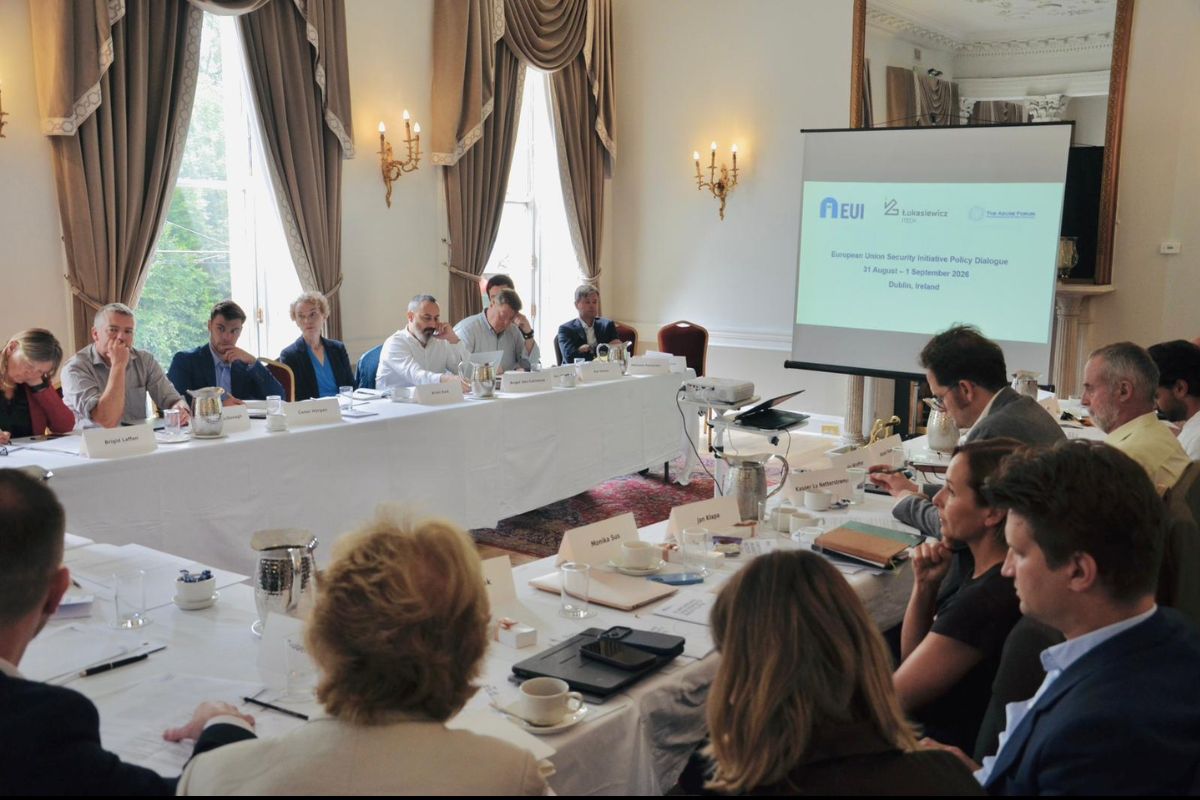
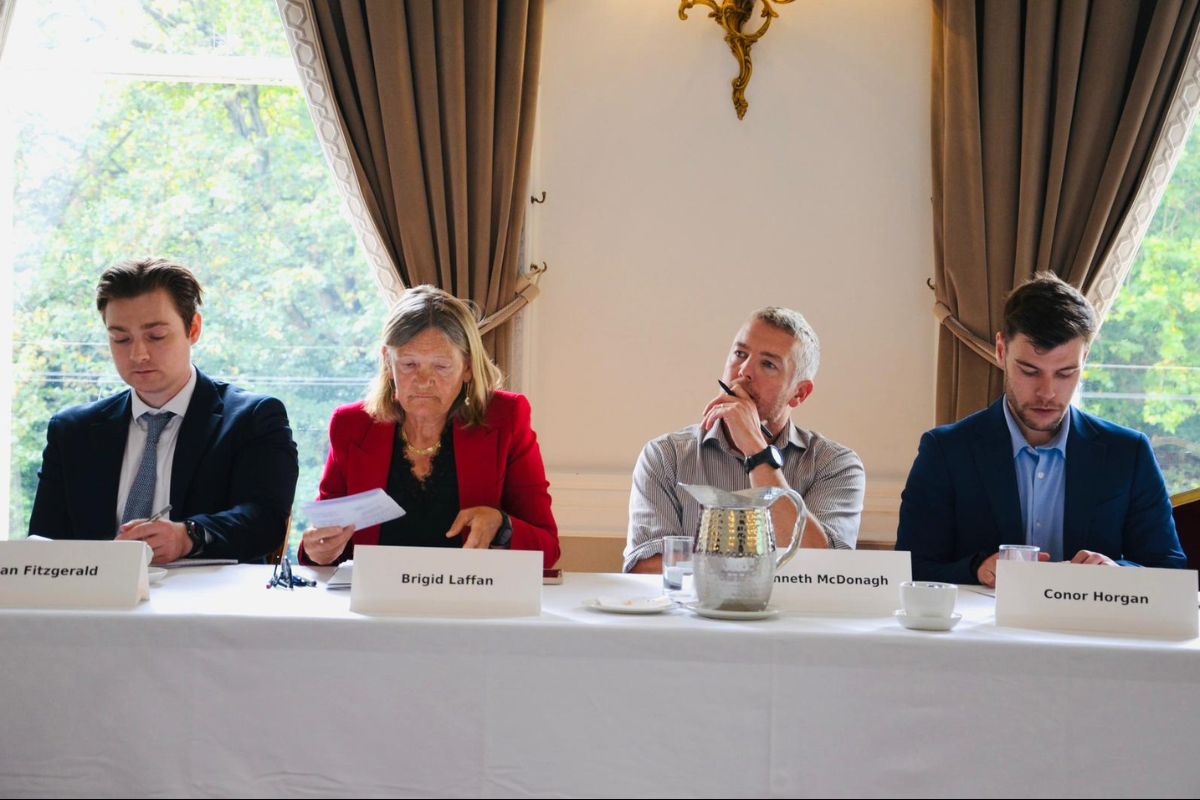
Another edition of the EUSI Policy Dialogue is taking place in Dublin, in connection with the Irish Presidency of the Council of the EU and alongside the Gymnich meeting of EU foreign ministers. Once again, Łukasiewicz – ITECH is co-hosting an expert discussion focused on the key challenges facing European security policy.
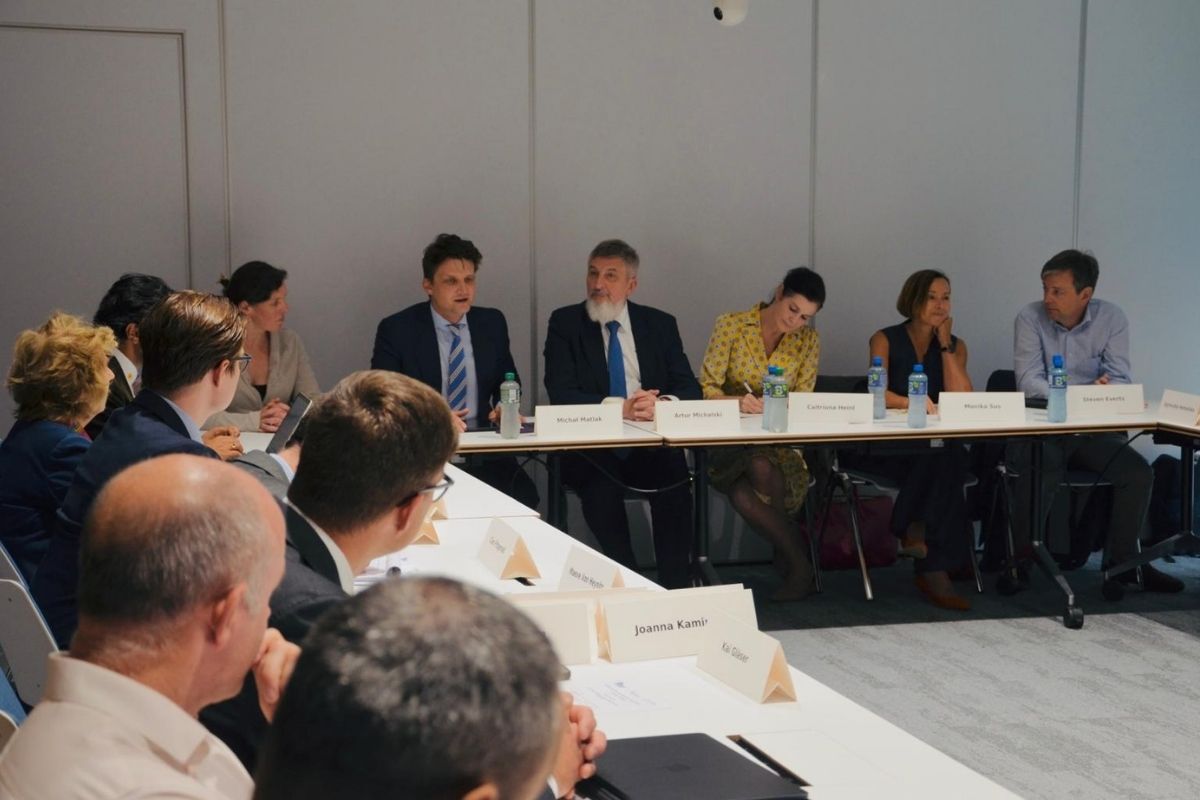
The event was opened by Michał Matlak, PhD, Director of Łukasiewicz – ITECH, prof. Monika Sus representing the Polish Academy of Sciences and the European University Institute, and Caitríona Heinl, head of the local partner organisation for this edition of the Dialogue, The Azure Forum for Contemporary Security Strategy.
The first panel focused on the future of European security and began with the question of the gap between Europe’s ambitions and its actual strategic capabilities in the context of the forthcoming new security strategy. The debate, moderated by Prof. Monika Sus, featured Steven Everts (Director of the European Union Institute for Security Studies – EUISS), Agnieszka Homańska (Head of the Political Cabinet of the Polish Minister of Foreign Affairs), Kristi Raik (Director of the International Centre for Defence and Security – ICDS, Estonia) and Barrie Robinson (former Political Director at the Irish Department of Foreign Affairs).
The discussion explored the potential thematic directions of the emerging strategy, its intended role and the difficult choices the EU may have to make about which areas not to engage in – reflecting the principle that a strategy without clear priorities risks becoming little more than a wish list. Participants stressed that the real test of the document will not be how accurately it identifies threats, but whether it helps shorten decision-making processes, particularly in the “grey zone” of hybrid activities, and whether it is closely linked to the Multiannual Financial Framework (MFF), without which its priorities risk remaining purely declarative. Participants also considered the timing of work on the strategy and the implications of the European Commission taking the initiative, reflecting a shift in emphasis from external policy towards internal resilience, infrastructure and the single market. Considerable attention was devoted to institutional barriers to effective action and to the question of whether Europe currently shares a common perception of threats and a narrative capable of building public support for stronger defence capabilities. The discussion also highlighted the need to learn from the experience of frontline states – from Ukraine and Estonia to Poland, including in areas such as the East Shield and countering migration pressure. EU enlargement was identified as a key security priority, alongside the challenges facing transatlantic relations and the need to build alliances with countries that share similar values.
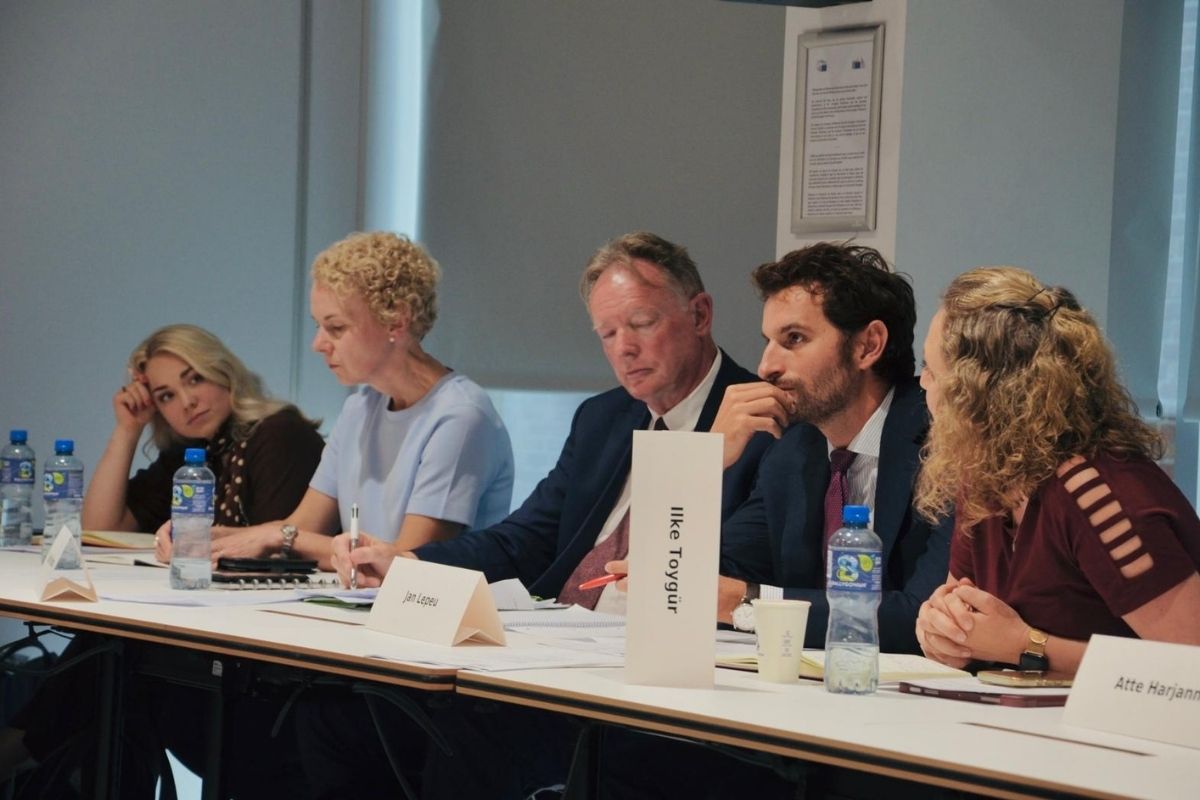
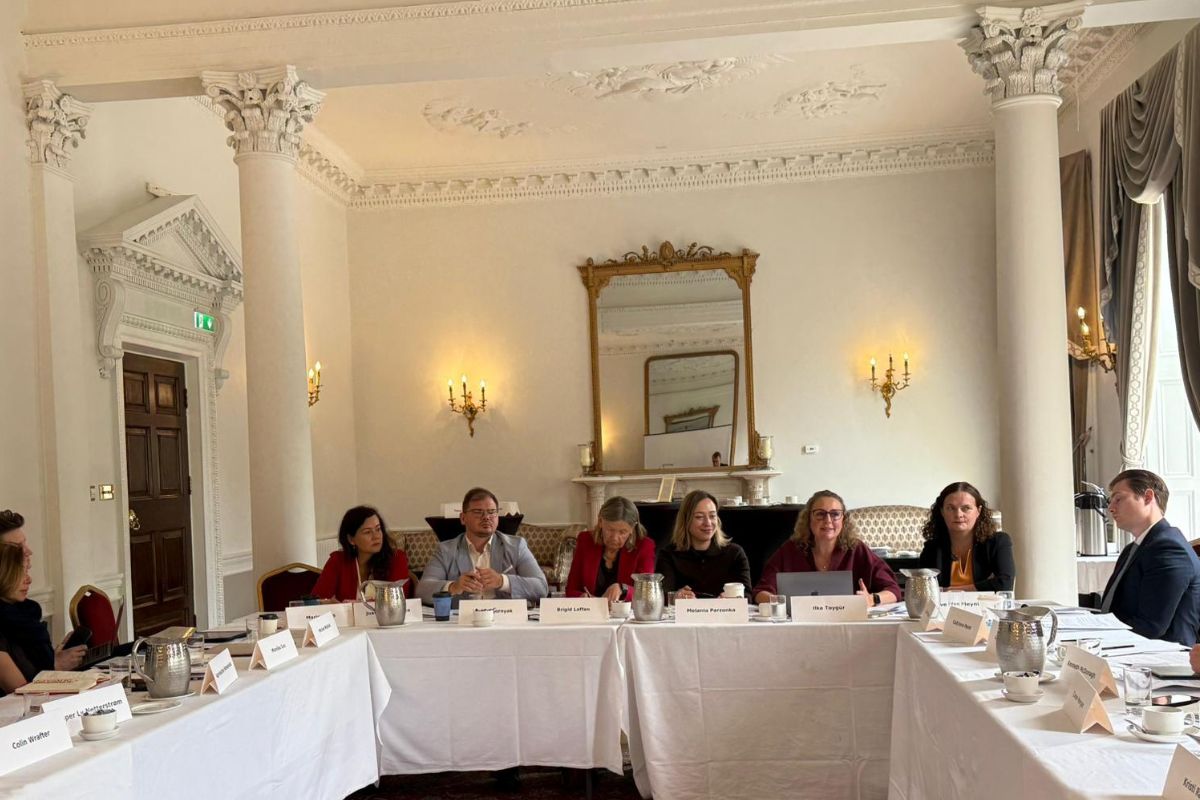
During the second day of the EUSI Policy Dialogue in Dublin, three panels were held. The first, “Enlargement and Europe’s Security Order”, centred on the question of whether the enlargement process can be treated as a strategic security project. The debate was moderated by Melania Parzonka of Łukasiewicz – ITECH. Participants included Joanna Kamińska (European Parliament, EUI), Brigid Laffan (EUI, University of Limerick), Ivan Nagornyak (European Policy Institute in Kyiv), Ilke Toygür (IE School) and Maeve Von Heynitz (Irish Department of Foreign Affairs).
Particular attention was paid to the position presented by the representative of the Irish Presidency, reflecting Ireland’s stance ahead of the informal meeting of foreign ministers in the Gymnich format. It was emphasised that enlargement has been a key element of European integration from the outset and that, when successful, it benefits candidate countries, existing Member States and the European system as a whole. Today, however, the European project lacks political momentum, while international relations are no longer widely perceived as a positive-sum game, weakening confidence in the prospects for a successful enlargement process. Participants pointed to conditionality as an instrument for sustaining reforms even after accession, while also highlighting the risk of a disconnect between genuine progress and the communication of success. Hungary was cited as a key argument for the effective enforcement of the rule of law, which, alongside the single market, remains one of the European Union’s greatest strengths. Much of the discussion focused on Ukraine, where managing expectations and narrowing the gap between ambitions and achievable reforms remain crucial. The country continues to face corruption, problems within the judiciary and legislative stagnation resulting from the shrinking size of parliament. Kyiv’s ambiguous moves regarding anti-corruption institutions have been perceived in Europe as an important warning signal. Participants stressed the need for realism on both sides and for a clear distinction between immediate support for Ukraine and the formal accession process. With regard to the Western Balkans, participants noted that Montenegro is approaching the final stage of negotiations and that its accession treaty may set the framework for future candidates. Further enlargement may also require changes to the EU’s decision-making system, despite positive assessments of the mechanisms established under the Lisbon Treaty. In the meantime, integrating candidate countries into the single market should remain a priority. Participants agreed that the economic costs of enlargement are manageable and that the main barriers are political, institutional and communicative. Addressing them will require decisive political leadership and, at times, perhaps a less diplomatic style of communication.
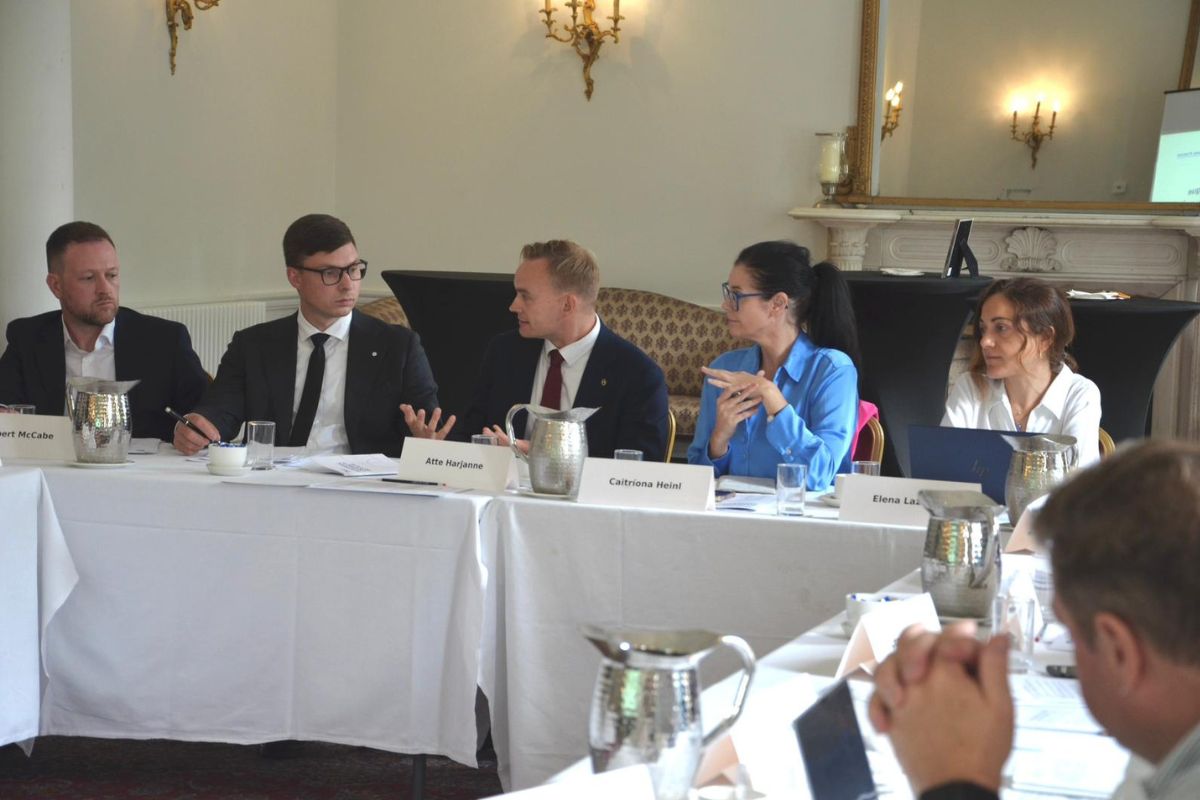
The second panel of the day, “Europe’s Critical Infrastructure Resilience”, was moderated by Caitríona Heinl (Executive Director, Azure Forum for Contemporary Security Strategy, Ireland). Participants included Juljan Jachovič (Chief Project Officer, Geopolitics and Security Studies Center, Lithuania), Atte Harjanne (Member of the Finnish Parliament), Elena Lazarou (Director of the Hellenic Foundation for European and Foreign Policy, Greece) and Robert McCabe (Principal Researcher at MARSEC, National Maritime College of Ireland).
An important part of the debate was a detailed discussion of hybrid threats, using Lithuania as a case study. Participants pointed to continued provocations from Belarus, including the risks associated with the nearby nuclear power plant, deliberate disruption of aviation infrastructure and coordinated disinformation campaigns accompanying such attacks. Among the key conclusions was the continued urgent need for rapid and comprehensive information-sharing between Member States, the importance of solidarity in responding to threats and the need for measured responses based on pre-established guidelines and procedures. Experts also highlighted the growing importance of the maritime dimension and the strategic role of subsea cable infrastructure, which is increasingly exposed to hybrid threats. Participants noted that Europe should learn from Ukraine, for example in the area of decentralised energy networks, while also drawing on the experience of the only instance in which Article 42.7 has been invoked – by France in 2015.
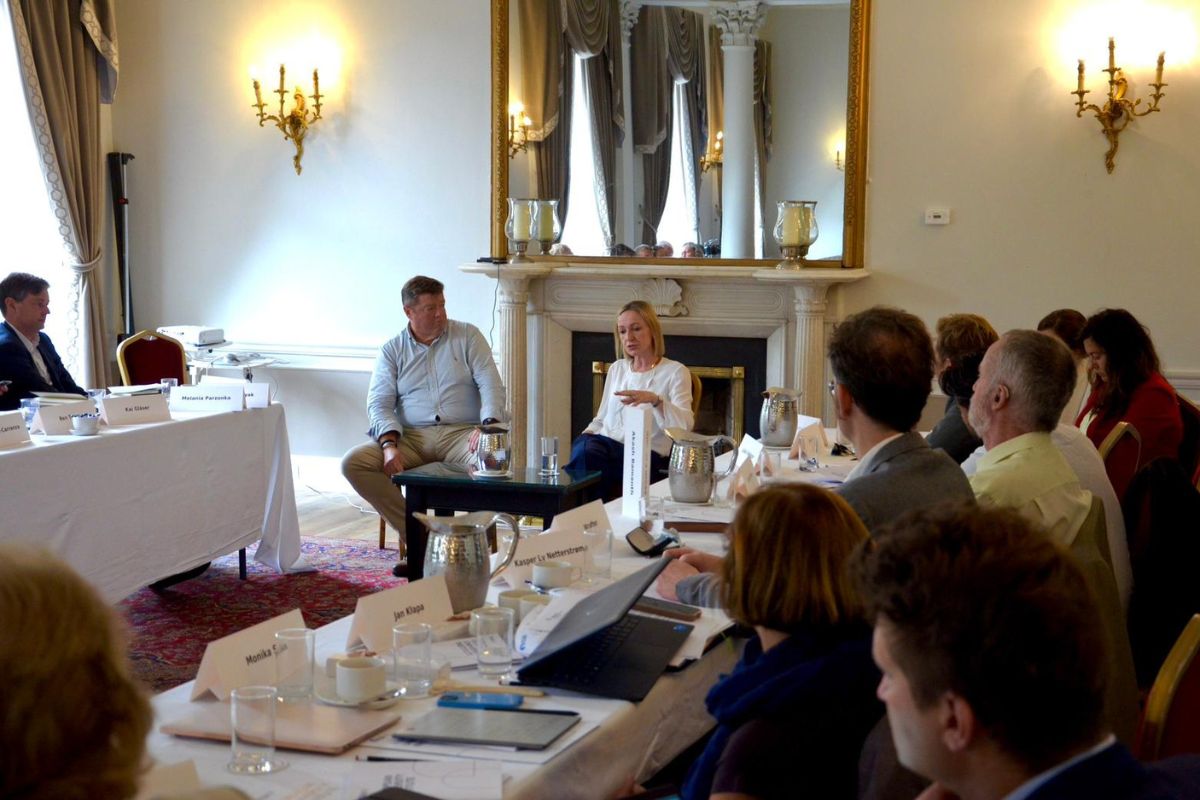
The event concluded with a conversation between Lucinda Creighton (Vulcan Consulting, former Irish Minister for European Affairs) and Ben Tonra (Azure Forum, University College Dublin). The discussion summarised the key conclusions concerning European resilience while also providing a broader perspective on Ireland’s position – a country that unequivocally condemns Russia’s aggression against Ukraine, remains outside NATO and maintains a policy of neutrality. The speakers also revisited the arguments shaping the debate, ongoing since 2022, over a possible change in Ireland’s neutral status and the expansion of its military capabilities. The issue remains particularly significant given the constitutional requirement for a referendum should Ireland seek to participate in a common EU defence policy.