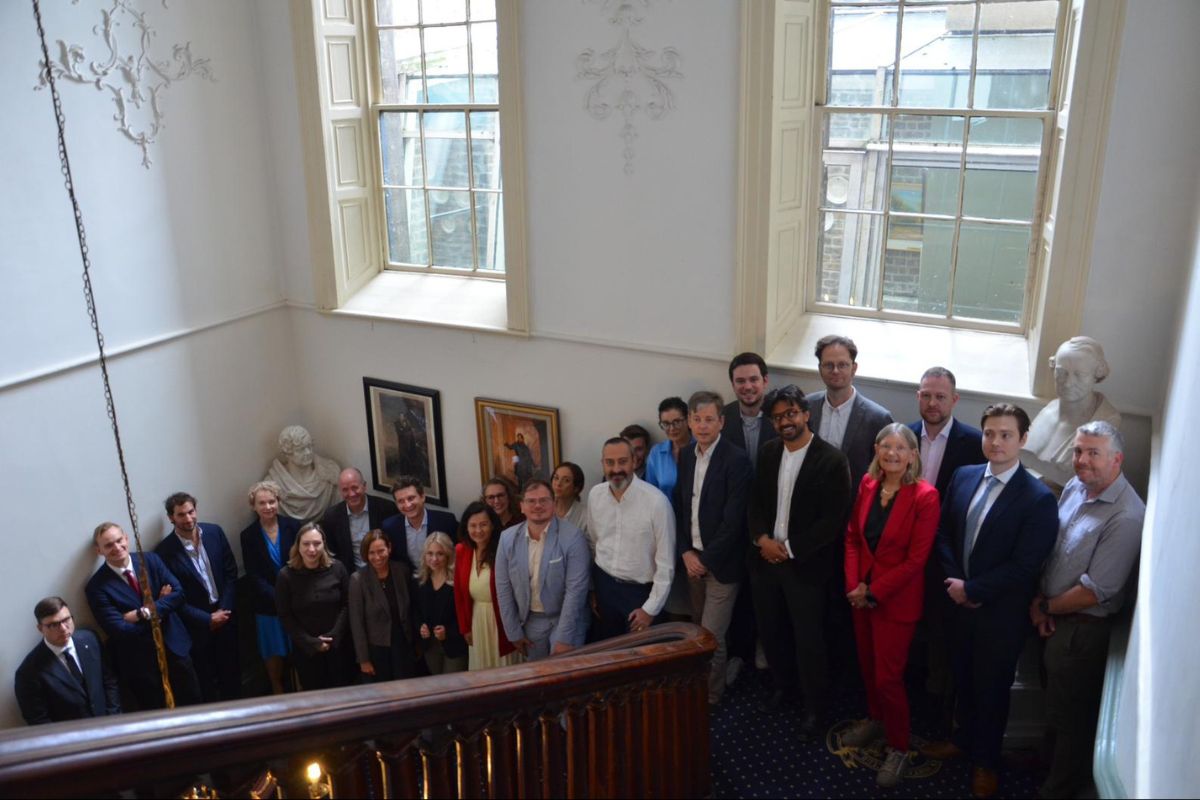
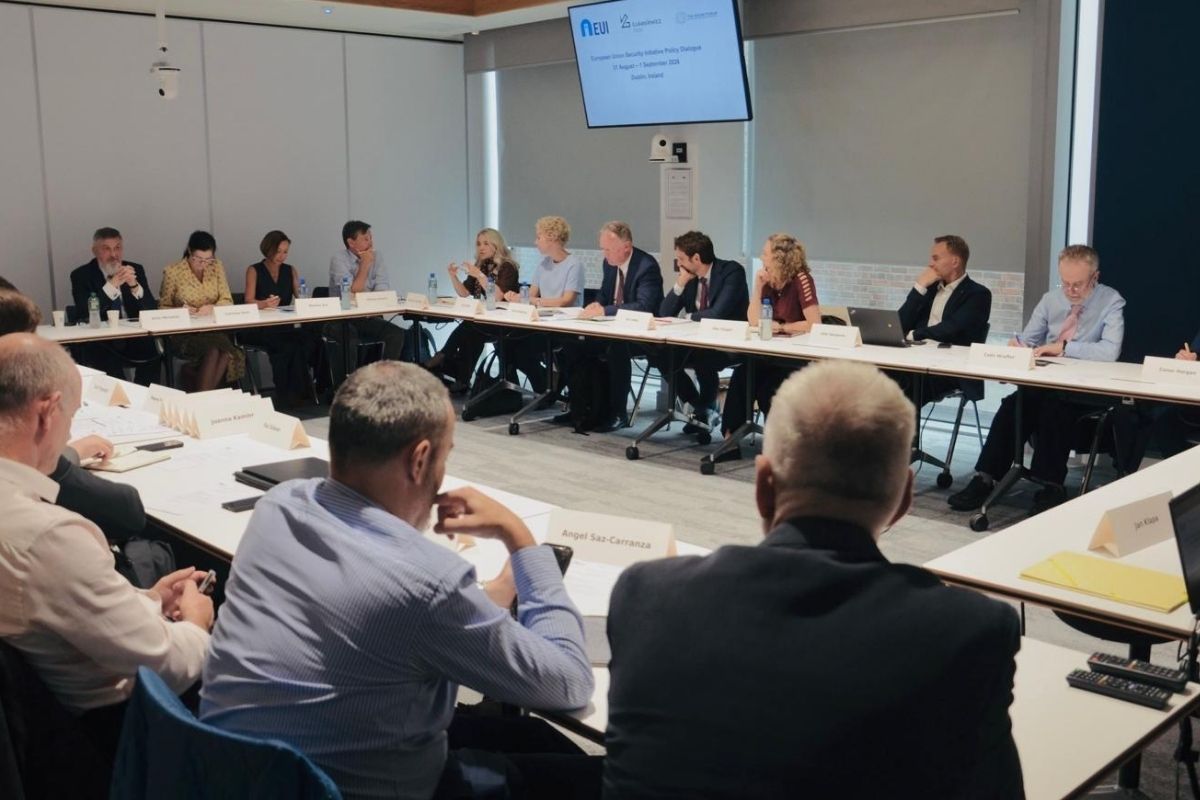
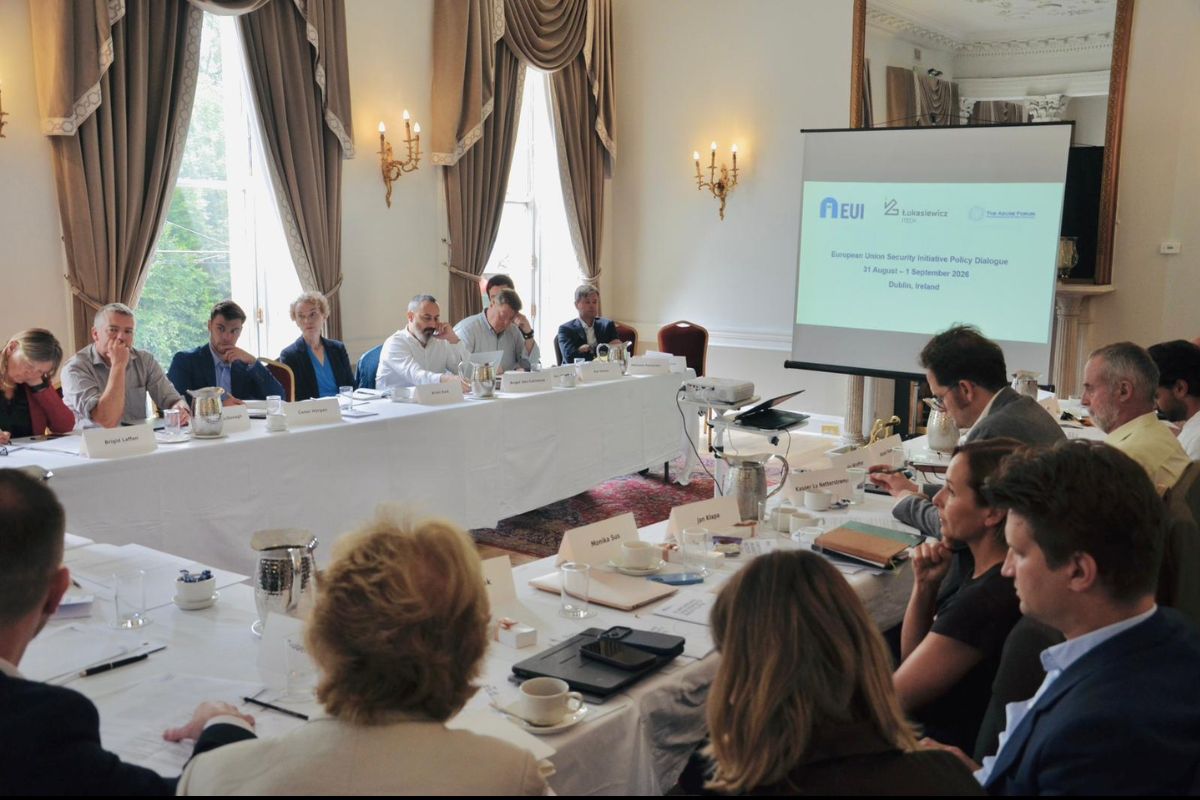
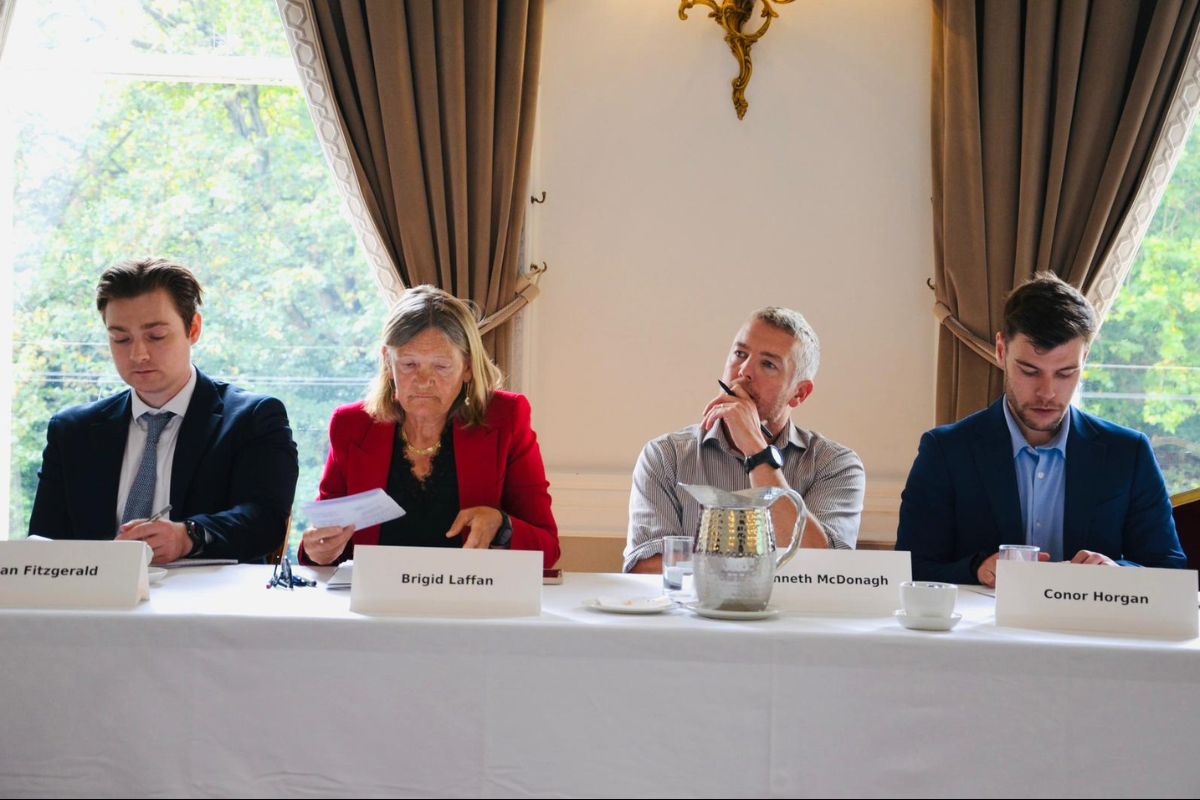
Another edition of the EUSI Policy Dialogue is being conducted in Dublin, connected with the Irish presidency of the EU Council and organised in tandem with the Gymnich ministerial meeting. Lukasiewicz – ITECH is once again co-organising an expert discussion focused on the main challenges for European security policy.
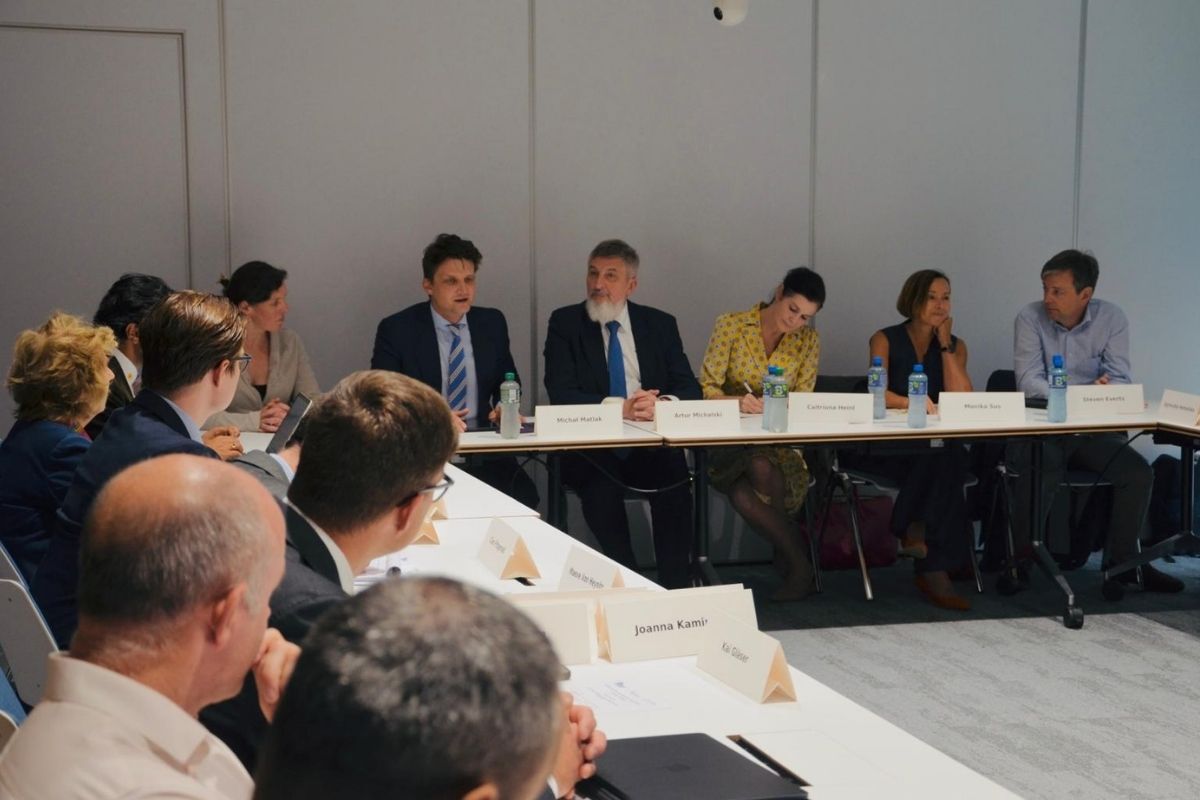
The event was opened by Michał Matlak, PhD, Director of Łukasiewicz – ITECH, prof. Monika Sus representing the Polish Academy of Science and the European University Institute, and Caitriona Heinl, head of a local partner organisation for this dialogue edition – The Azure Forum for Contemporary Security Strategy.
The first panel was dedicated to the future of European security, opening with the question about the gap between Europe’s ambitions and its actual strategic capabilities within the context of the announcement of the new security strategy. The debate led by Prof. Monike Sus primarily featured the speakers Steven Everts (Director of the European University Institute on Security Studies – EUISS), Agnieszka Homanska (Head of the Office for the Polish Foreign Minister), Kristi Raik (Director of the International Centre for Defence and Security – ICDS, Estonia), and Barrie Robinson (ex-Minister of Foreign Affairs in Ireland).
The debate concerned potential topics for discussion that arose from this document, both its function and the difficult selection of issues, the participation in which the EU may have to decline – in accordance with the principle of the strategy without hierarchy becomes the only list of wishes. It was emphasised that the true test of the document is not the accuracy in which the threats were described, but rather the timeliness of undertaking decisions (especially in the “grey area” of hybrid activities), as well as its close link with the Multiyear Financial Framework (MFF), without which priorities would become baseline. It was considered for a moment to work on the strategy and consequently, the admission of initiatives by the European Commission, which reflects the postponement of the weight of internal politics on the internal resilience, infrastructure, and market respectively. Much attention was paid to the institutional barriers to everyday operations and the question of whether Europe today possesses a fully shared perception of threats, and consequently, a real narrative with which to help cultivate public support for the development of defence capabilities. Returning our attention to the needs drawing from the lessons of frontier states – from Ukraine and Estonia to Poland (among others, within the scope of the Western Shield and predicting migration pressures) – it shows that EU enlargement is a key priority for the security and analysing challenges in transatlantic relations and of building alliances with states sharing similar values.
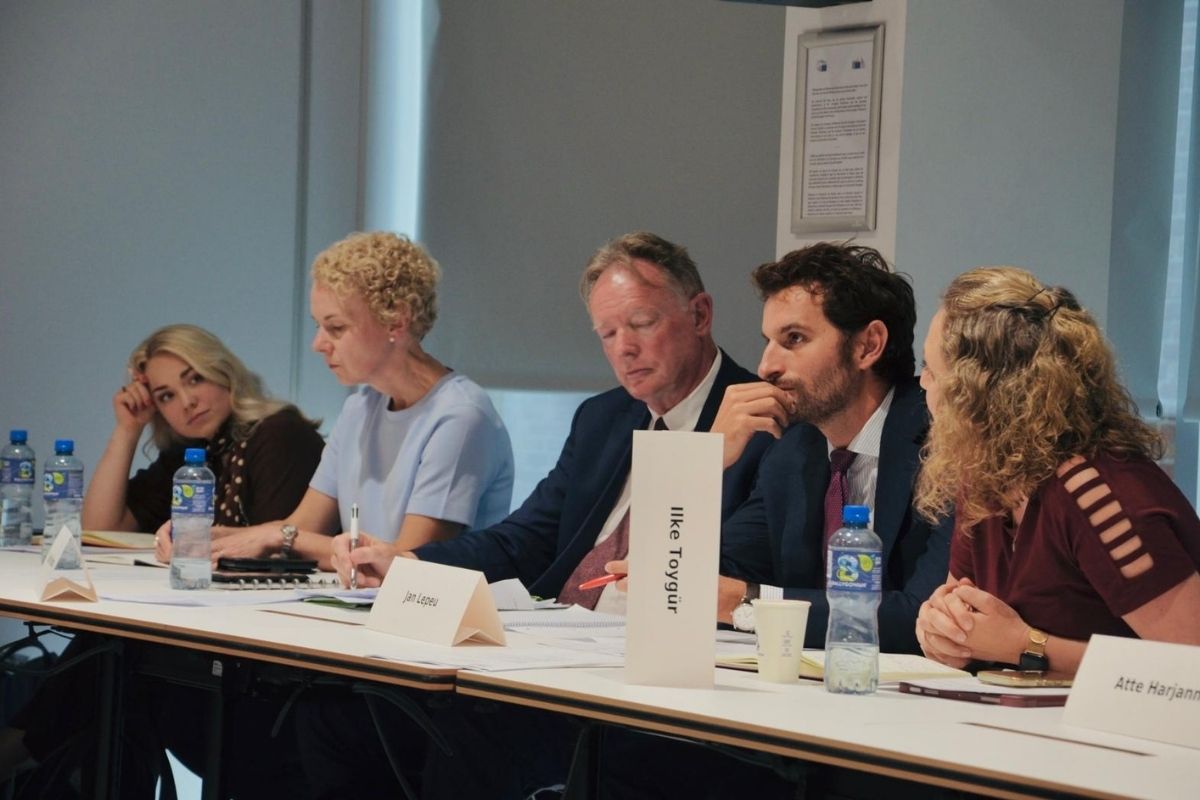
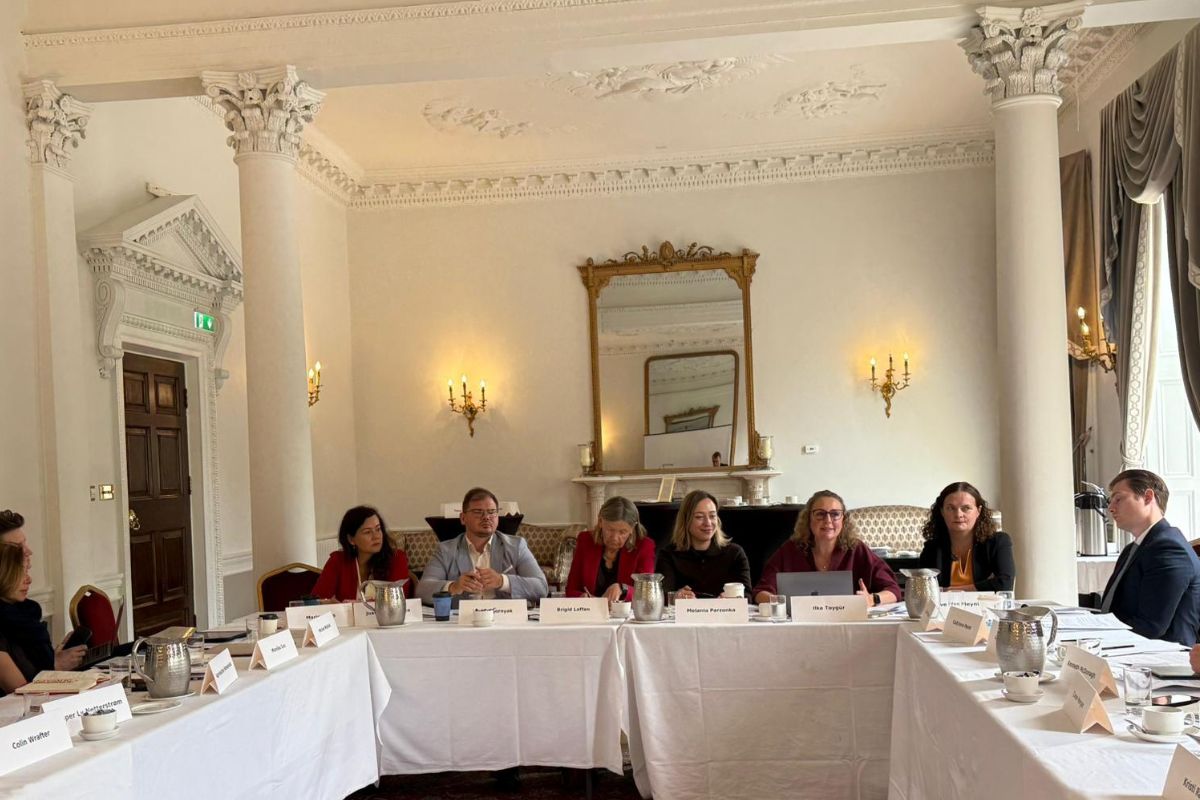
During the second day in Dublin, the EUSI Policy Dialogue consisted of three panels. The first of which was named “Enlargement and Europe’s Security Order” the core of the discussion was the question, can the enlargement process be treated as a strategic security project? The debate was moderated by Melania Parzonka (Lukasiewicz – ITECH), and its participants were: Joanna Kaminska (European Parliament, EU), Brigid Laffan (EUI, University of Limerick), Ivan Nagornyak (European Policy Institute in Kyiv), Ilke Toygur (IE School) and Maeve Von Heynitz (Irish Department of Foreign Affairs).
Much attention had been paid listening to the representative of the Irish presidency, speaking in line with the state position prior to the informal meeting attended by foreign ministers in the Gymnich form. It was emphasised that enlargement from the beginning was a key element of integration, and a successful one brings benefits to candidates, current member states, and the whole system. Today, however, the European project lacks political momentum, and international relations ceased to be a check sum game, which made far weaker the expectation of a successful process. The discussers pointed out conditionality as a tool for maintaining reforms upon accession, as well as the risk of disconnect between real progress and the communication of success. The case of Hungary was cited as a key argument for enforcing the rule of law, which, alongside the single market, is one of the European Union’s main strengths. Much attention was placed on Ukraine, where the key remains to be the management of expectations and of shrinking the distance between ambitions and realistic reforms. The country wrestles with corruption, judicial dysfunction, and legislative deadlock resulting from an ever-shrinking parliament; an ambiguous movement by Kyiv with respect to anti-corruption agencies was received in Europe as an alarming signal. In case of the Eastern Balkans, it was noticed that Montenegro is close to the final negotiation, and its accession track will come to indicate the guidelines of mechanisms for treating Lisbon’s process, meanwhile the priority should be above all the integration of candidates participating in the single market. Participants agreed that the costs of economic expansion are manageable, and that the main barrier takes a far more political, institutional and public relations form, which demands decisive political leadership and, episodically perhaps, a less diplomatic style of communication.
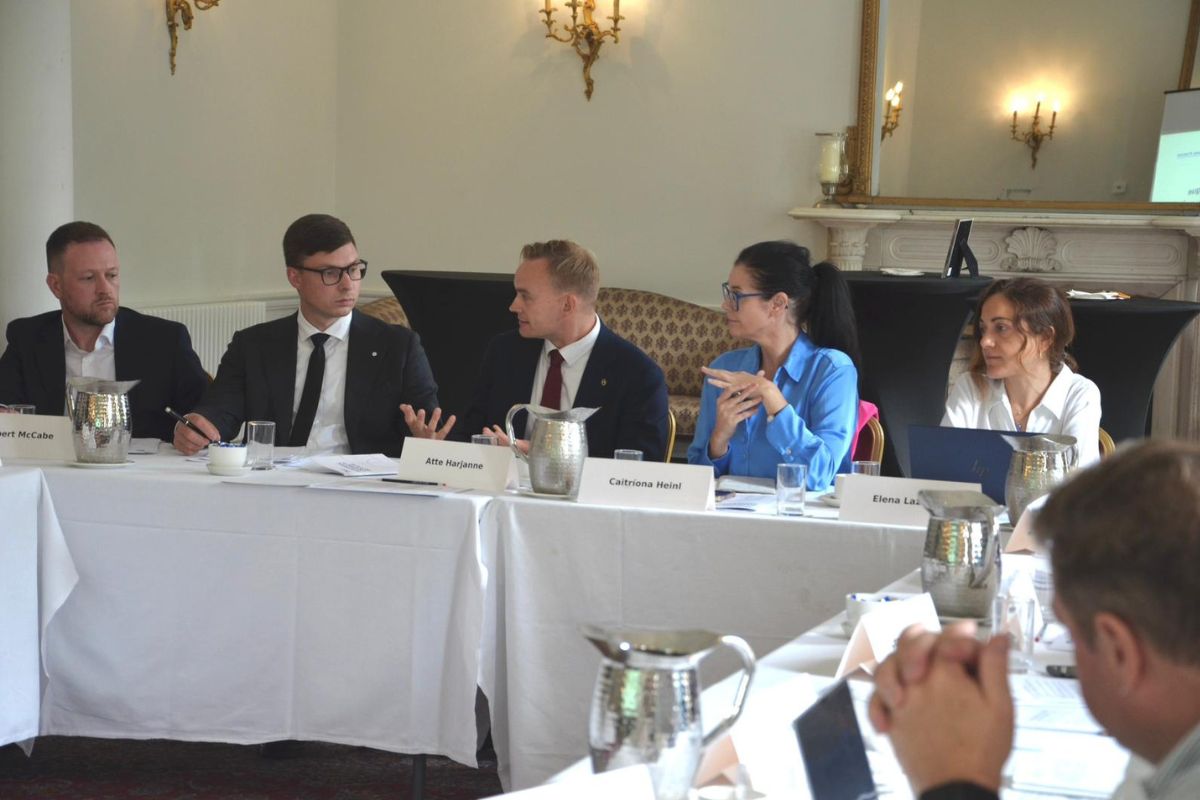
The second panel named “Europe’s Critical Infrastructure Resilience” was moderated by Caitriona Heinl (Executive Director, Azure Forum for Contemporary Security Strategy, Ireland). The discussion’s participants were Julian Jachovic (Chief Project Officer, Geopolitics and Security Studies Centre, Lithuania), Atte Harjanne (Deputy Parliamentarian of Finland), Elena Lazarou (Director of the Hellenic Foundation for European and Foreign Policy, Greece) and Robert McCabe (Main Researcher at MARSEC at the National Maritime College of Finland).
An important point for debate was the detailed agreement on the aspects of hybrid threats based on Lithuania. Attention returned to the constant provocation perpetrated by Belorussia, who remains the closest neighbour posing as a potential risk to the nearby nuclear power plant, the aim of terminating the air travel infrastructure and responding to each organised disinformation attacks. Among the conclusions of the panel, the ever-pressing need for the immediate and extensive information exchange between member states, the role of solidarity in response to threats, as well as the imperative to execute a controlled reaction based on existing protocols and guidelines. Experts also expressed their conviction that there exists a significant maritime dimension, referring to the strategic infrastructure of underwater cables, as it regards which hybrid threats may continue to proliferate. It was understood that Europe should learn from Ukraine – for example on their decentralised energy network – building at the same time upon their experience from the only time in history when France invoked Article 42.7 in 2015.
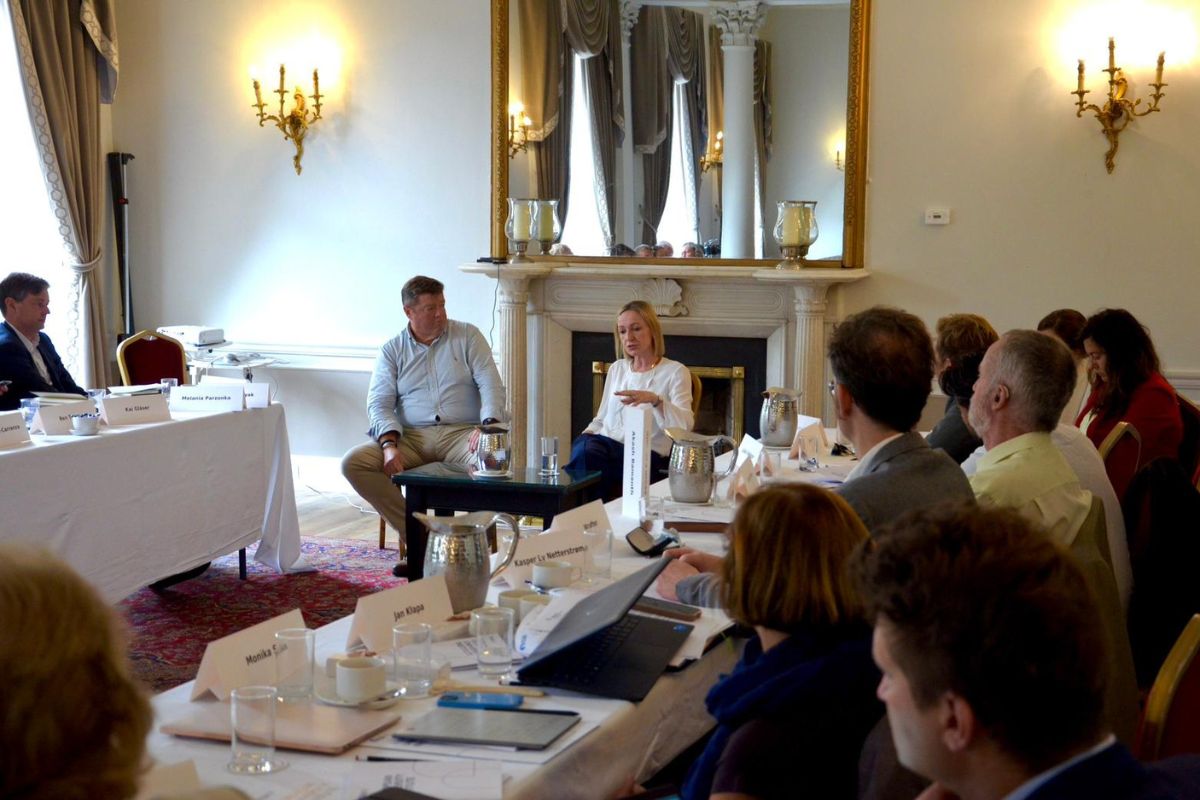
The event concluded with a conversation with Lucinda Creighton (Vulcan Consulting, former Irish Minister for European Affairs) along with Ben Tonra (Azure Forum, University College Dublin) with a summary constituting the conclusion concerning the resilience of Europe and allowing wider understanding of Ireland’s position – a country that explicitly condemns Russia’s aggression in Ukraine, remains outside NATO structure and declares neutrality. The discussion also revisited the arguments that have shaped the ongoing debate since 2022 over a possible change in Ireland’s neutral status and the expansion of its military capabilities. This debate remains particularly significant given the constitutional requirement to hold a referendum should Ireland seek to participate in a common EU defence policy.