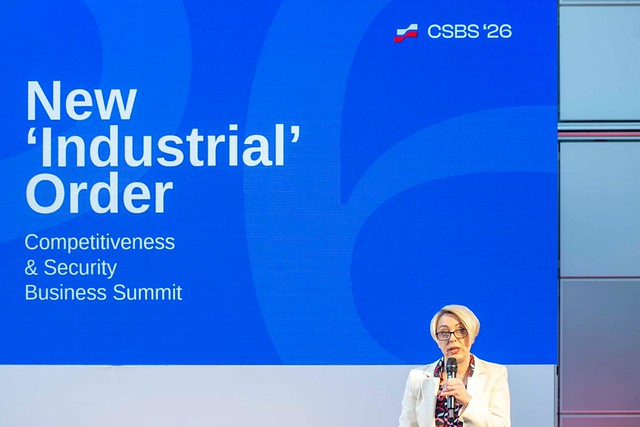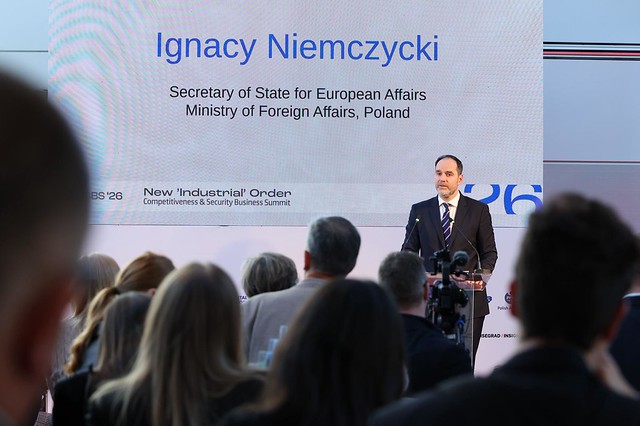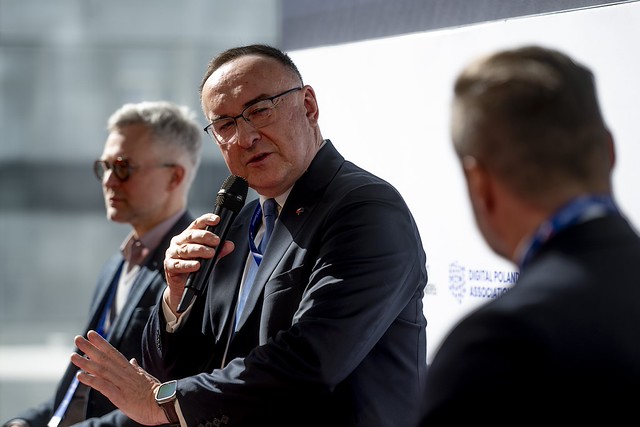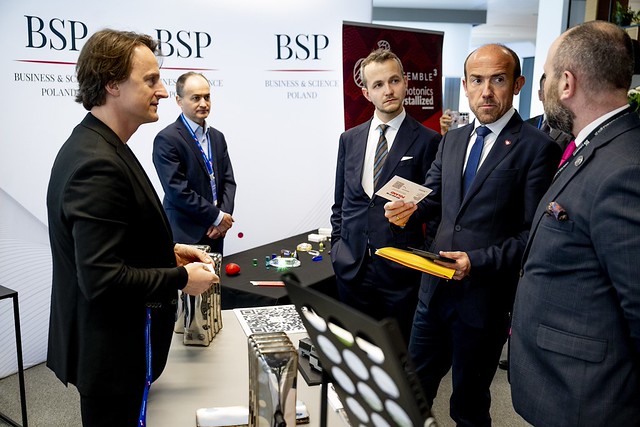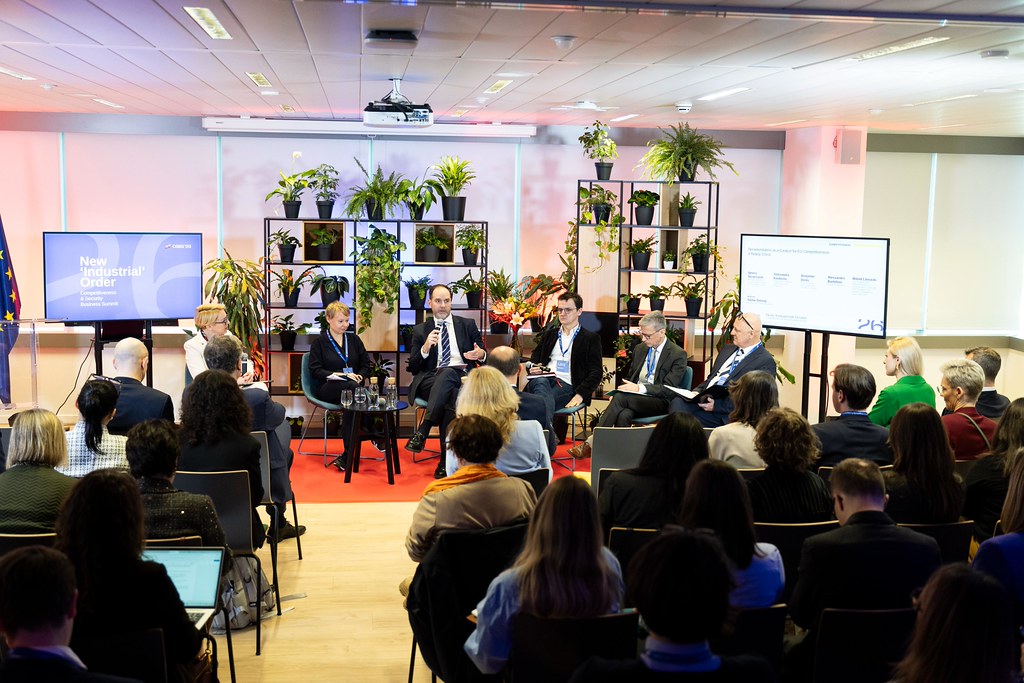
What progress has the European Union made in the area of defense and security over the past year? This question was the starting point of a debate co-organized by Łukasiewicz – ITECH at the Competitiveness and Security Business Summit at Business & Science Poland . One-fifth of the time horizon set in two key strategic documents is already behind us: The White Paper for European Defense and the Readiness 2030 Roadmap, which entitles us to take the first stock of the effectiveness of the measures adopted.
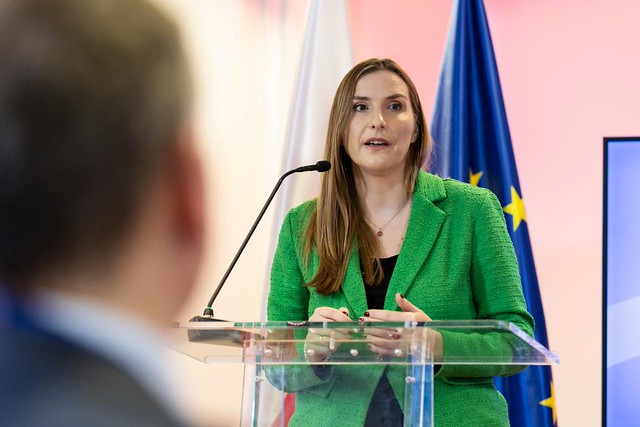
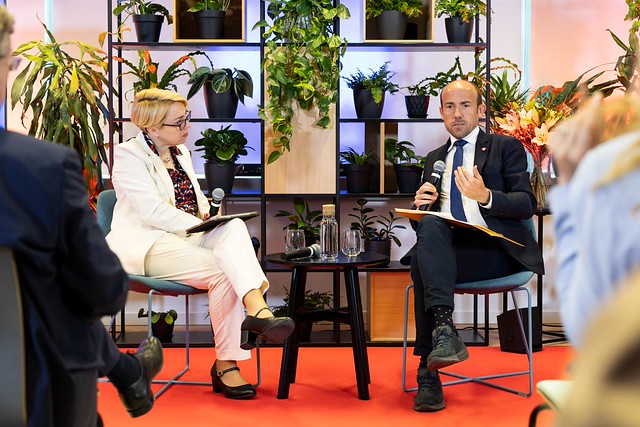
The panel was opened by Minister Magdalena Sobkowiak-Czarnecka, plenipotentiary for the Instrument for Enhancing European Security, emphasizing that the Polish government actively supports the promotion of the domestic defense industry and strengthens its position in international purchasing coalitions. She also noted that increasing deterrence capabilities is primarily intended to reduce the risk of armed conflict within the European Union.
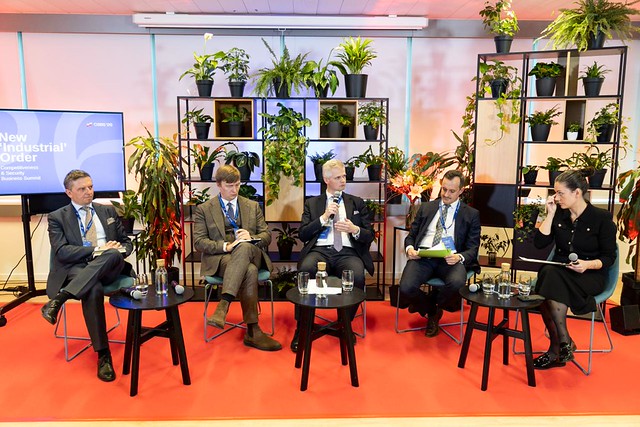
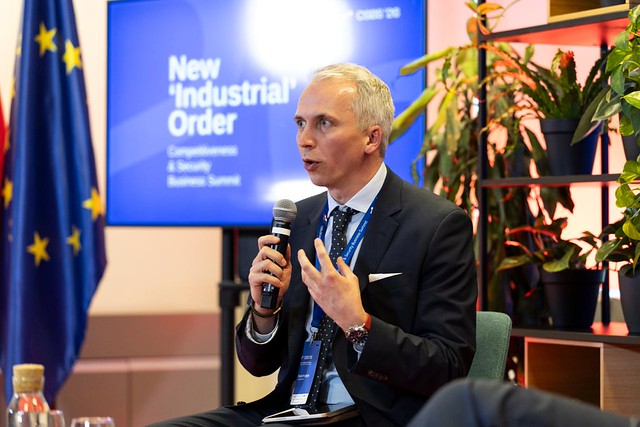
This was followed by a debate on the strategic dimension of the EU’s activities in the area of defense, with the participation of Director Tomasz Husak (DG DEFIS), Hennadiy Maksak (head of the Foreign Policy Council “Ukrainian Prism”), Ambassador Michal Mazur (Polish representative to the Political and Security Committee of the Council of the EU) and Director Maciej Stadejek (European External Action Service), and the discussion was moderated by Dr. Karolina Zbytniewska (Focus Europe).
The most important conclusions of the debate include, among others, a positive evaluation of the ability of EU decision-making and financial mechanisms to actually develop defense capabilities, despite the fact that they were not originally designed with such dynamic challenges in mind, confirmation of the coordinating role of the European Commission as a catalyst for cooperation between member states holding only defense competencies. Rapid development of drone and missile system production capabilities was considered a key challenge. Experts noted that the SAFE program’s procurement proposals to date have limitedly included a component to support Ukraine. The debate was also an opportunity to present the results of the Lukasiewicz Network’s reports on Poland’s position in the global defense industry value chain and the potential for increasing defense spending in the context of strengthening the economy’s innovation. The Łukasiewicz – Aerospace Institute (ILOT) also presented its stand during CSBS’26, promoting the SPARK system, a mock-up of a missile demonstrator using a detonation engine and a propeller with reduced noise emissions.
The debate was one of the outcomes of the letter of intent for cooperation between Lukasiewicz – ITECH and Business & Science Poland letter of intent signed on March 5, 2026. It includes, among other things. exchange of knowledge in monitoring EU legislation and trends in technology development, support in the preparation of reports and analyses of public policies, support for the participation of Polish scientists in EU programs, activities for technology transfer and commercialization of innovations, and organization of debates and events.