What role does Taiwan play in the technological development of Central and Eastern Europe?
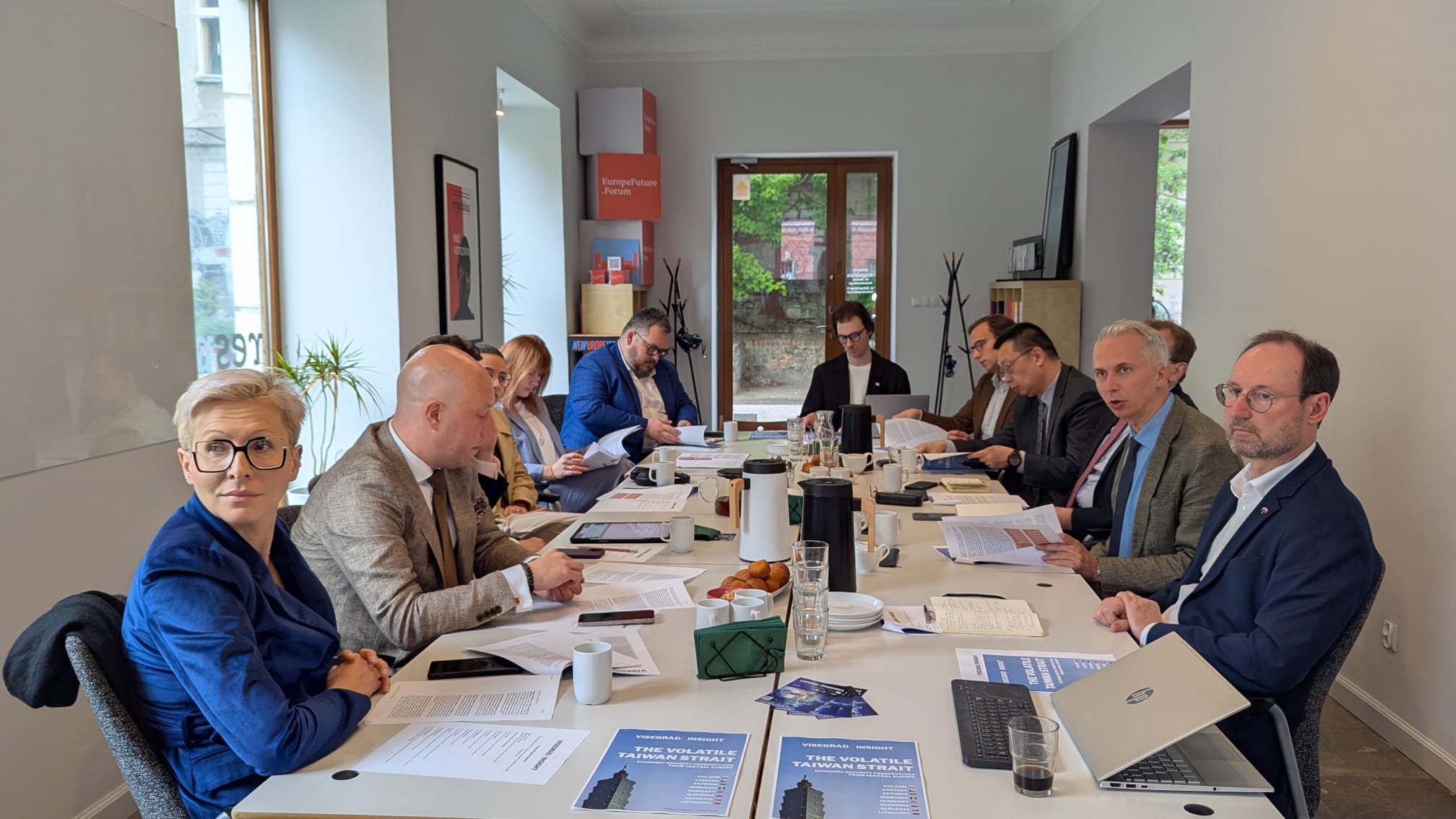
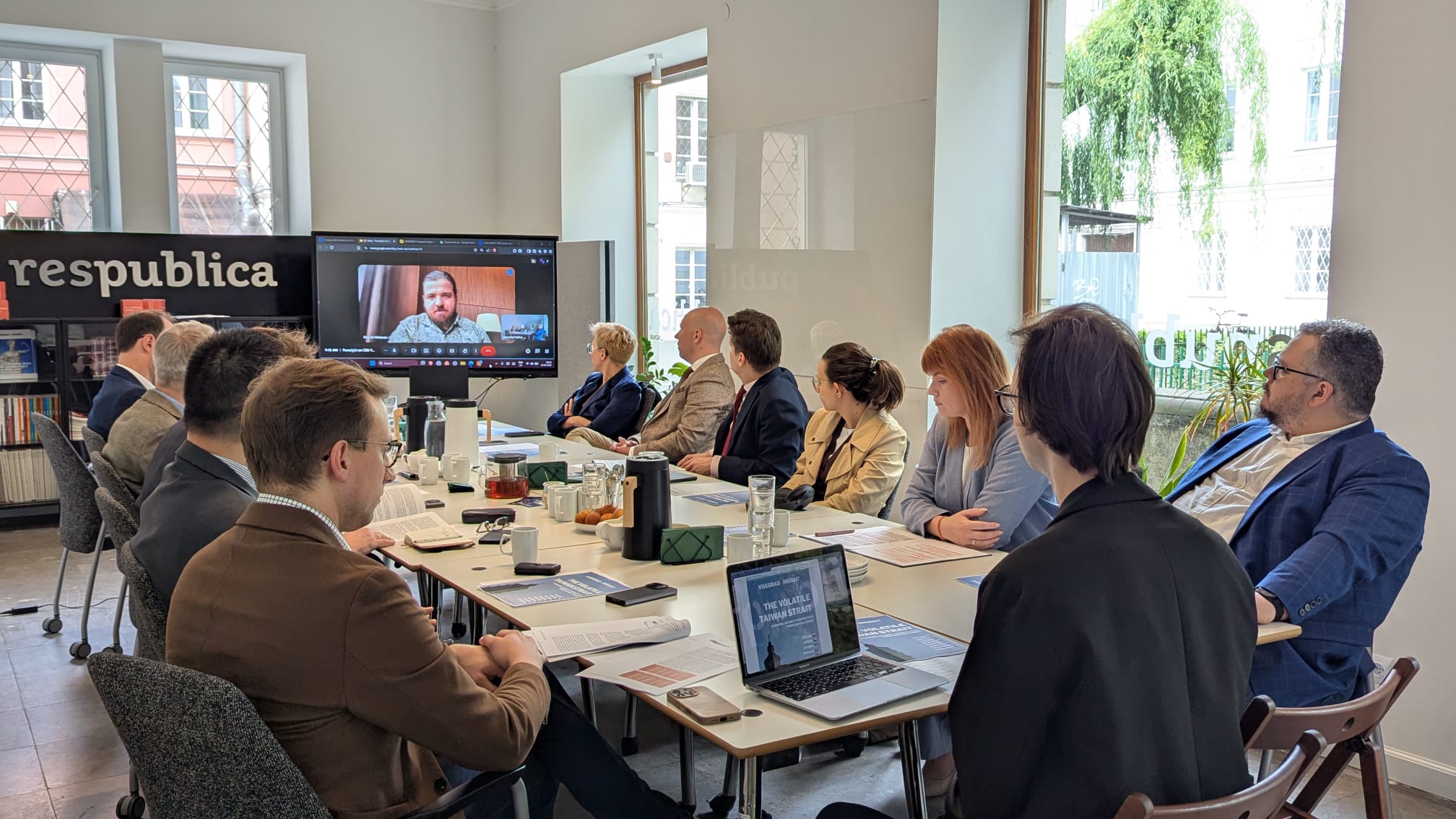
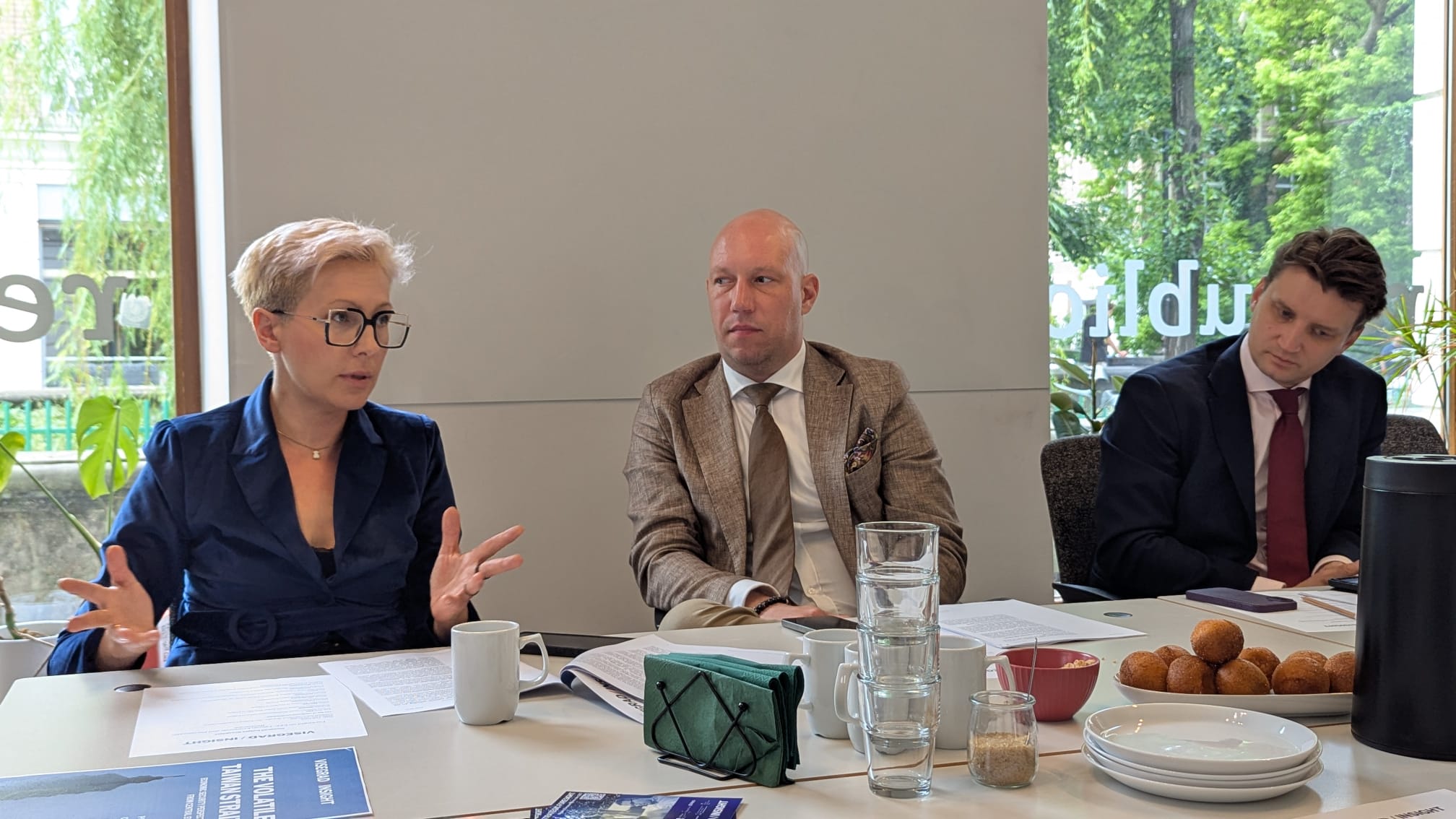
On the 3rd of June, a meeting was held at the Warsaw headquarters of the Res Publica Foundation, organised in the Visegrad Insight Breakfast format, focusing on the foresight of the economic relations between Central and Eastern Europe and Taiwan, with particular attention to challenges for economic security.
The expert breakfast also served as a pre-launch of the policy brief “Tensions in the Taiwan Strait – a Central European perspective on economic security”, prepared in cooperation between Visegrad Insight and Łukasiewicz – ITECH. The co-author of the report is Dr Eng. Natalia Ziemińska, Senior Research Specialist at the Centre for Analysis and Technology Development at Łukasiewicz – ITECH.
The main theses of the analytical paper were presented by Wojciech Przybylski, President of the Res Publica Foundation and Editor-in-Chief of “Visegrad Insight”, and Marcin Jerzewski, Head of the Taiwan Office at the European Values Center for Security Policy, who joined the participants from Seoul.
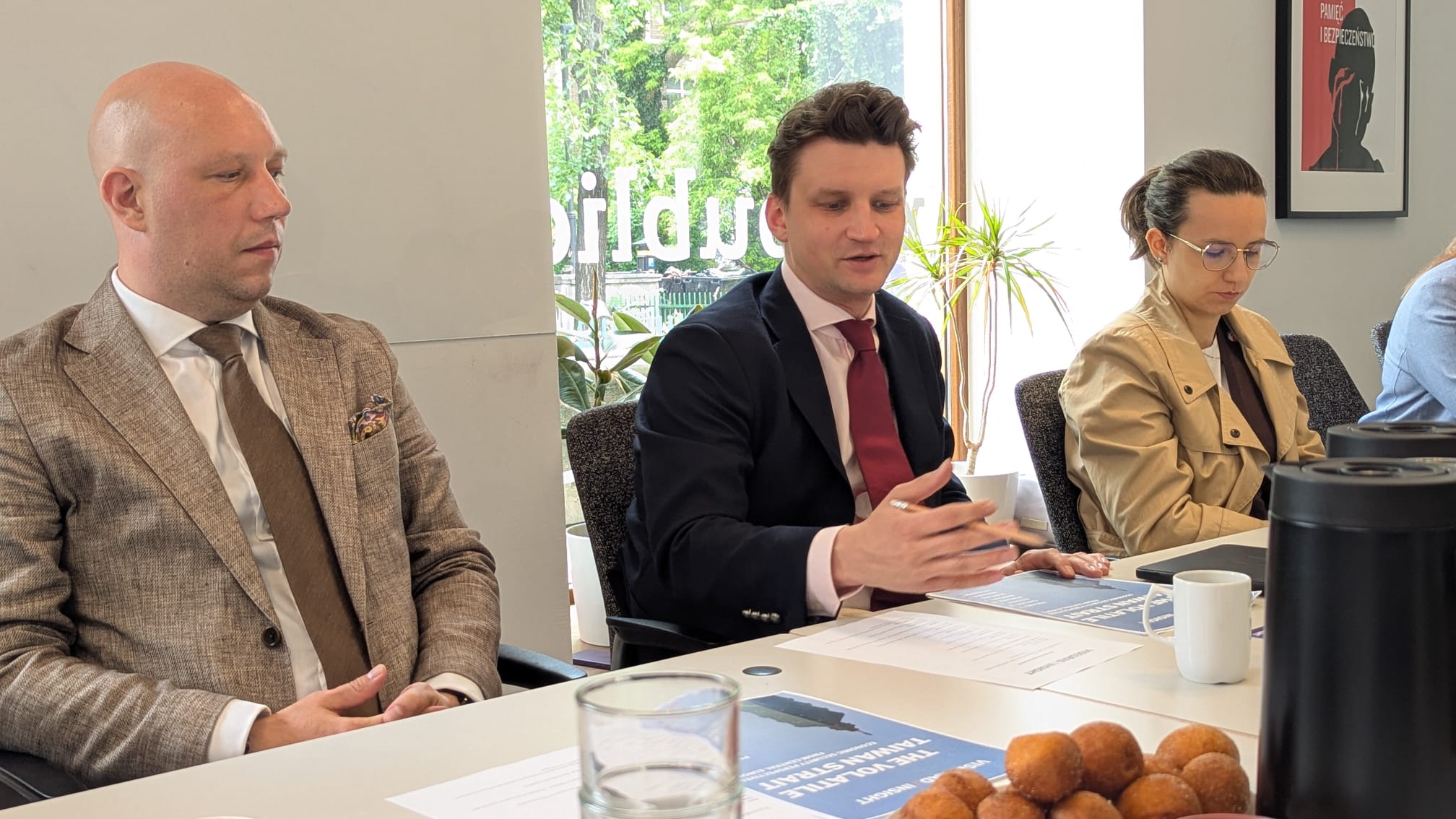
During the discussion, Dr Michał Matlak, Director of Łukasiewicz – ITECH, highlighted the importance of the common challenges faced by the countries of Central and Eastern Europe in building a new developmental model. He stressed that this model will increasingly be based on highly advanced technologies, cooperation with Asian partners, diversification of strategic dependencies, and consistently implemented innovation and industrial policies. In this context, the development of in-depth expertise on Asia is becoming one of the key directions for Łukasiewicz – ITECH’s future activities.
The technological dimension of the report was presented by Dr Eng. Natalia Ziemińska. In her remarks, she discussed the growing imports of Taiwanese semiconductors and electronic equipment to Central and Eastern Europe in recent years. She also drew attention to the differences in data between individual countries in the region and to the factors that may affect the reliability of information on trade flows. This is particularly important for assessing the real scale of economic interdependence between CEE and Taiwan.
Participants also discussed how the stability of Taiwan affects not only geopolitics and the security of the democratic international order, but also the strategic autonomy and economic resilience of Central and Eastern Europe. An important theme was reflection on how the experiences of the region’s countries – which often pursue diverse and ad hoc policies towards Taiwan – can feed into a broader European Union strategy in the field of economic security.
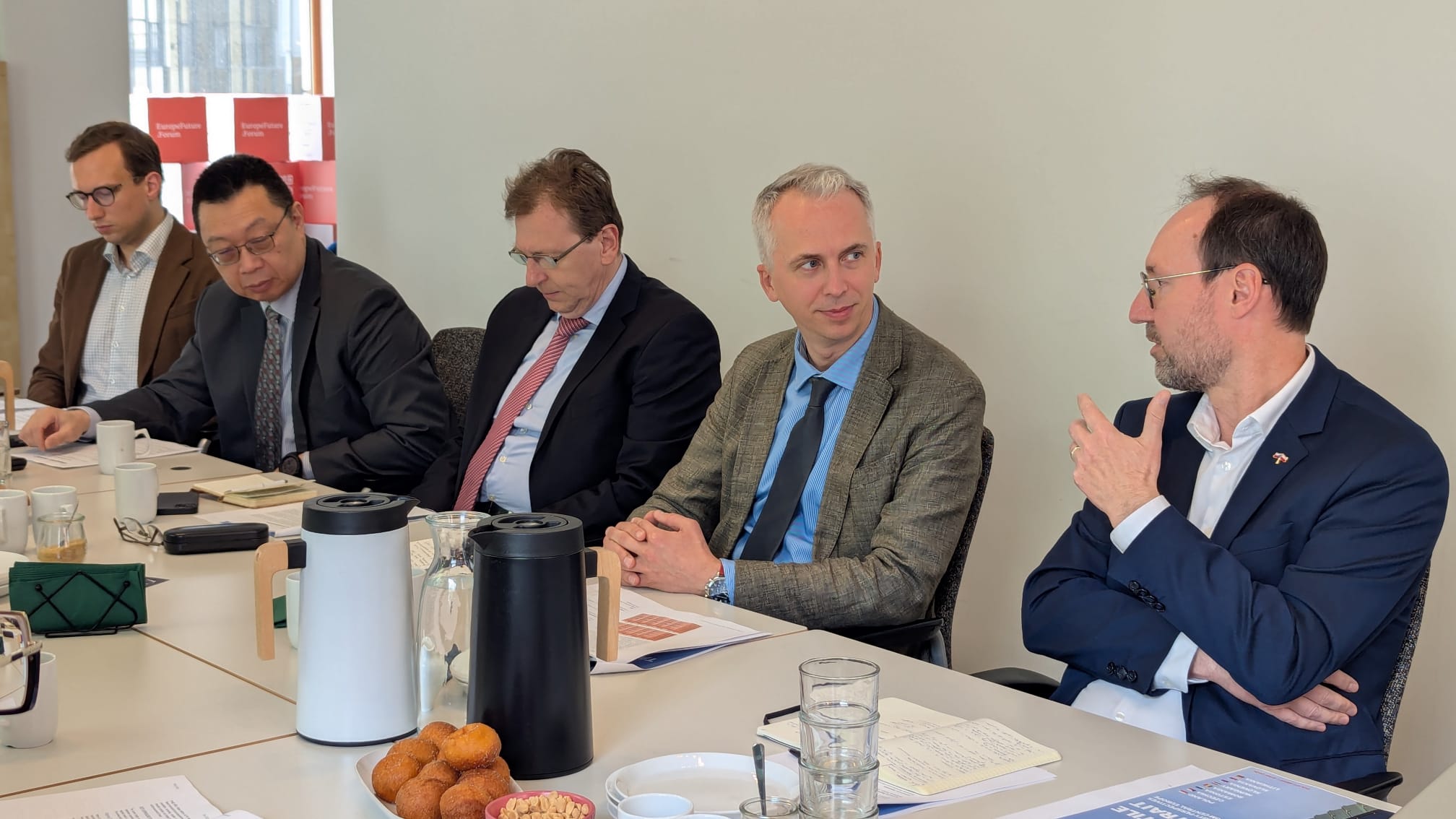
Those taking part in the discussion included, among others, Břetislav Dančák, Ambassador of the Czech Republic to Poland, representatives of the Taipei Representative Office in Poland, the Embassy of Slovakia, and the Polish-Taiwanese Chamber of Commerce and Industry.
We would like to thank the Res Publica Foundation and Visegrad Insight for the opportunity to cooperate on a project addressing such important issues at the intersection of technology, economic security, and international relations. We are looking forward to the official launch of the report.
Photos: Res Publica