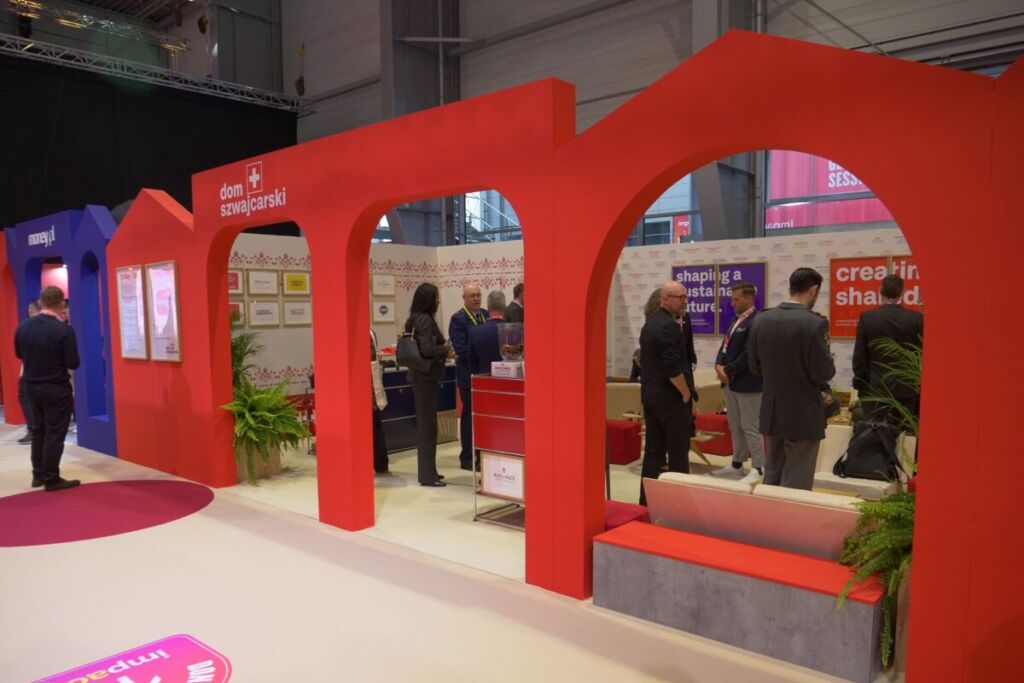
Dr. Kamil Bromski represented Lukasiewicz - ITECH at Swiss House during Impact CEE in Poznań on May 13-14.
In a space created by the Swiss Embassy in Poland, talks were held on technological foresight, relations between science and diplomacy, the space sector, innovation and cyber security, among others.
These are topics particularly close to the activities of our Institute, which, as an interdisciplinary think tank, combines scientific, technological, economic and social perspectives. The Institute provides analysis and recommendations to support responsible decisions on the development and implementation of new technologies.
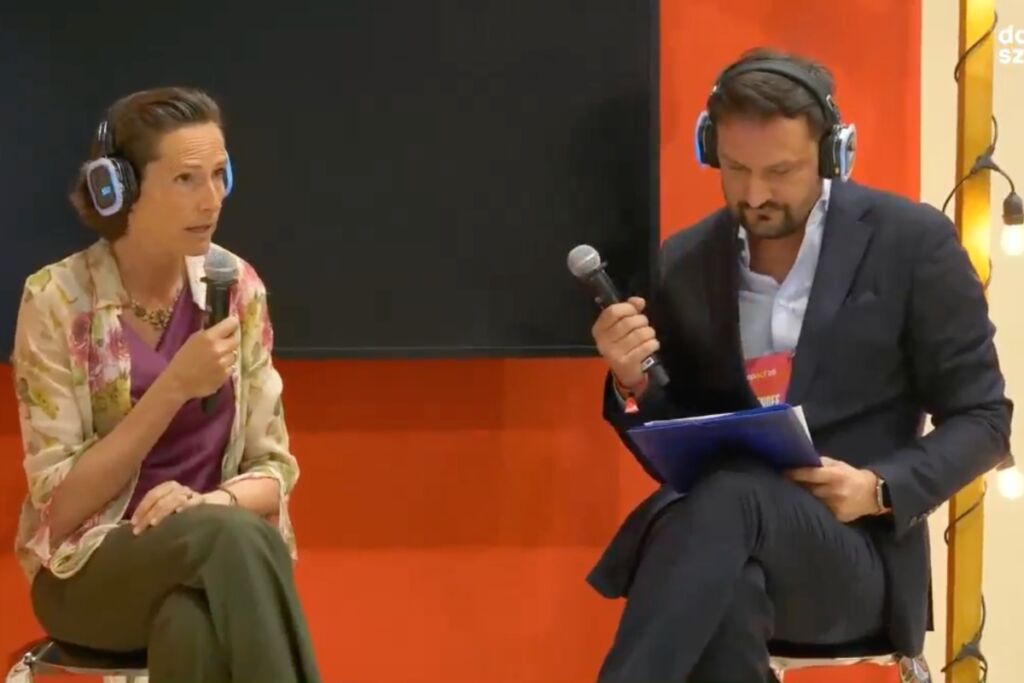
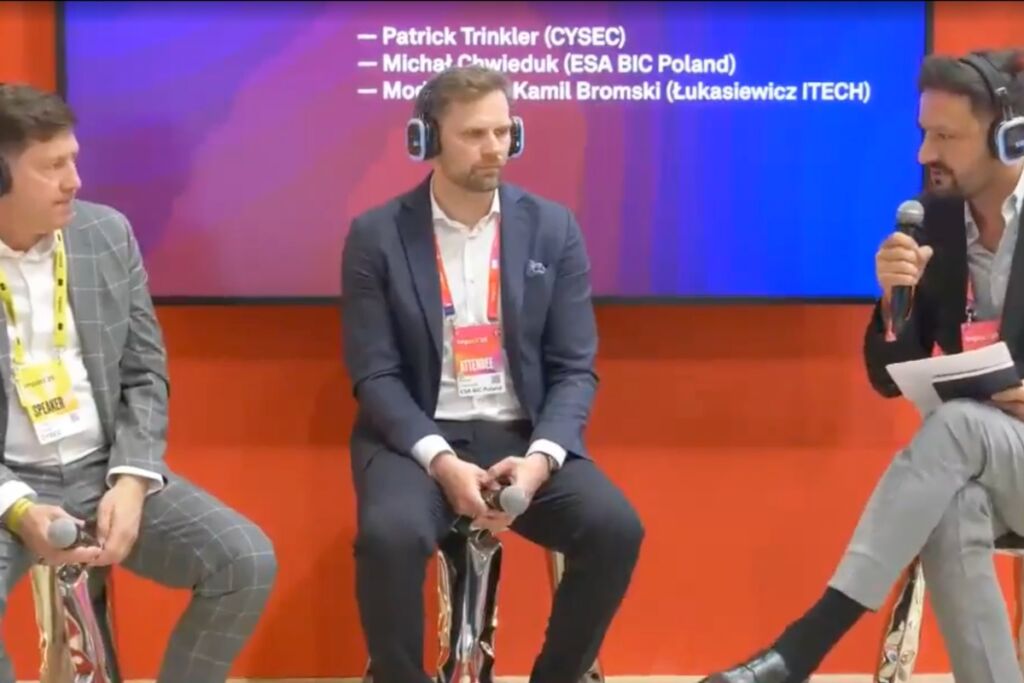
It was this perspective that Dr. Kamil Bromski, chief research officer and deputy head of the Lukasiewicz Technology Analysis and Development Center – ITECH, brought to Impact’26. During the event, Kamil moderated two panel discussions.
The first, “Anticipating Science, Geopolitics and the Challenges of Tomorrow,” was held on May 13 with the participation of the prof. Maryline Andersen, Director General GESDA – Geneva Science and Diplomacy Anticipator. The talk focused on how to describe and anticipate scientific and technological change in a world shaped by geopolitical tensions, digital transformation and growing uncertainty.
A day later, Bromski moderated the panel “New Frontiers: Space Research, Innovation and Entrepreneurship” with Michal Chwieduk of ESA BIC Poland and Patrick Trinkler of CYSEC. The discussion focused on the dynamic development of the space sector and its links to innovation, entrepreneurship, cyber security and geopolitical resilience.
We would like to thank the Swiss Embassy in Poland for inviting us and creating a space for inspiring international discussions.