The science of sustainability for Small and Medium Enterprises
Project experts
AGNIESZKA OZIMKOWSKA

Name of institution: Enterprise Europe Network at Lukasiewicz – Warsaw Institute of Technology.
Position: SME sustainability and consulting specialist
“Sustainability starts with decisions – often in a small office, not in a big conference room, because you don’t change the world through grand gestures, but through daily concern for people, the planet and the future of your business. Sustainability is the daily choices of people who believe that even the smallest actions make sense.”
DR HAB. Katarzyna Lavinska
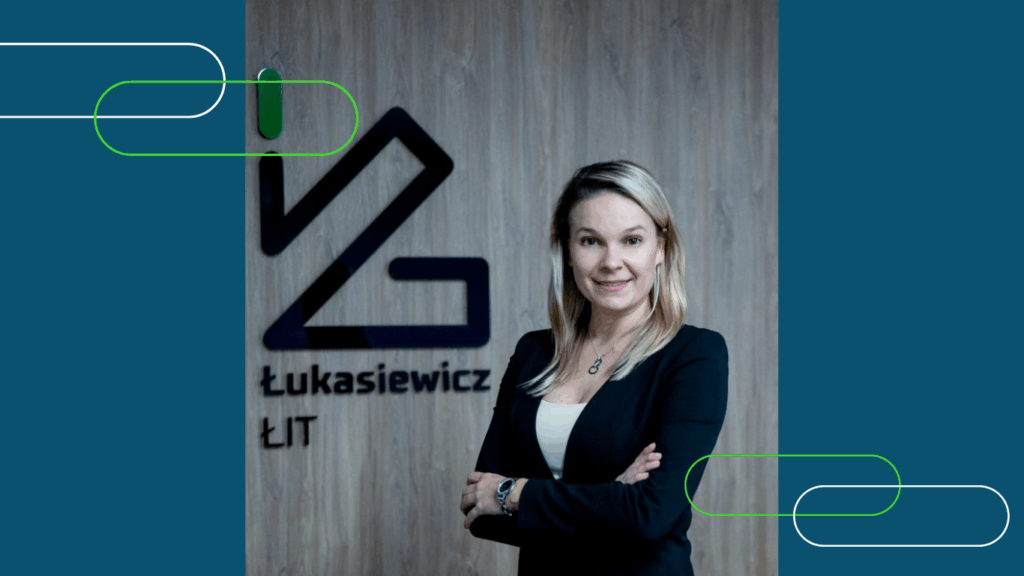
Name of institution: Lukasiewicz – Lodz Institute of Technology.
Position: Director of the Center for Textiles, Footwear and Bioprocesses at Lukasiewicz – Lodz Institute of Technology;
“In my opinion, it pays to be a sustainability leader in your industry. Taking ESG measures strengthens the company’s position with business partners and builds a positive image in the eyes of society. Implementing and maintaining ESG standards is now an important market advantage.”
DR INŻ. Krzysztof Kaczorek
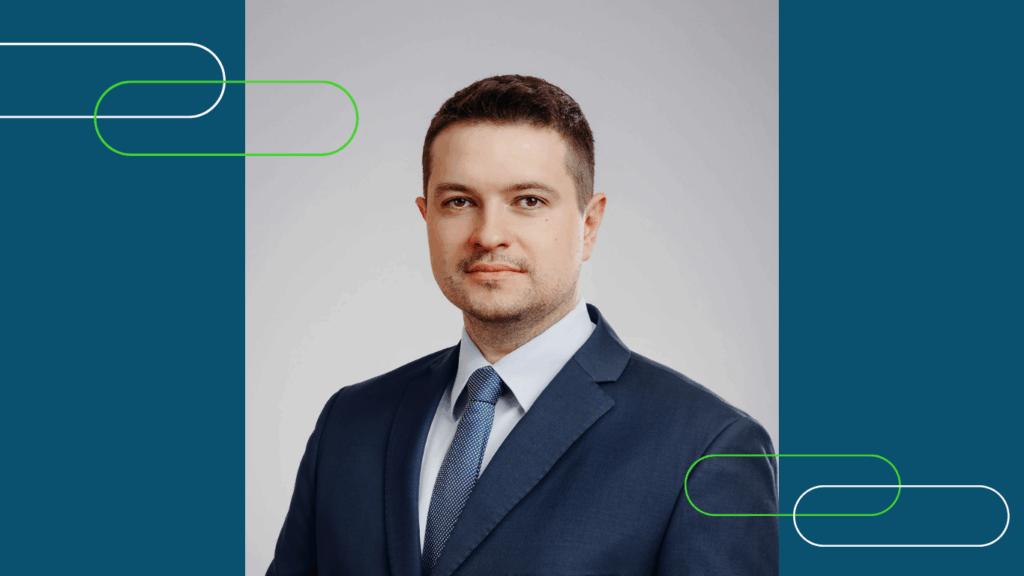
Name of institution: Warsaw University of Technology
Position: Director of the Center for Construction Analysis at Warsaw University of Technology.
“Implementing ESG principles in the construction industry means creating infrastructure that not only meets the needs of those living today, but builds space for future generations. Environmental, social and corporate governance responsibility must become an integral part of the investment process – as important as the quality of materials or the durability of construction. This is an investment not in the building, but in the future.”
Dr. Ing. Marzena Nowicka-Nowak

Name of institution: Lukasiewicz – Institute of Polymer Materials.
Research area: Paint and Plastics Research Group at Lukasiewicz – Institute of Polymer Materials.
“Polymeric materials shape our reality, we create them with not only durability and functionality in mind, but the environment, responsibility and future generations. ESG is not an add-on – it’s a direction that gives meaning to innovation.”
Dr. Tadeusz Gorewoda, Eng.
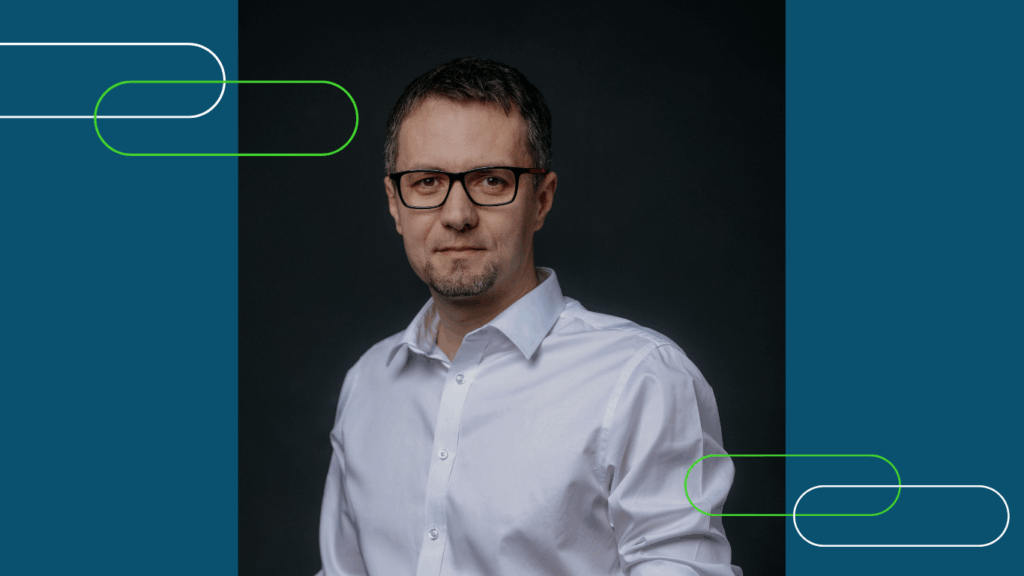
Name of institution: Lukasiewicz – Institute of Non-ferrous Metals.
Position: Director of the Metallurgy Center at Lukasiewicz – Institute of Non-Ferrous Metals
“Developing low-energy-intensive technologies with GOZ solutions, increasing positive social impact and implementing modern management tools are all part of building a company’s competitive advantage in the market. ESG reporting, in turn, is a way of presenting these achievements to stakeholders.”
Dr. Tomasz Żuk, Eng.
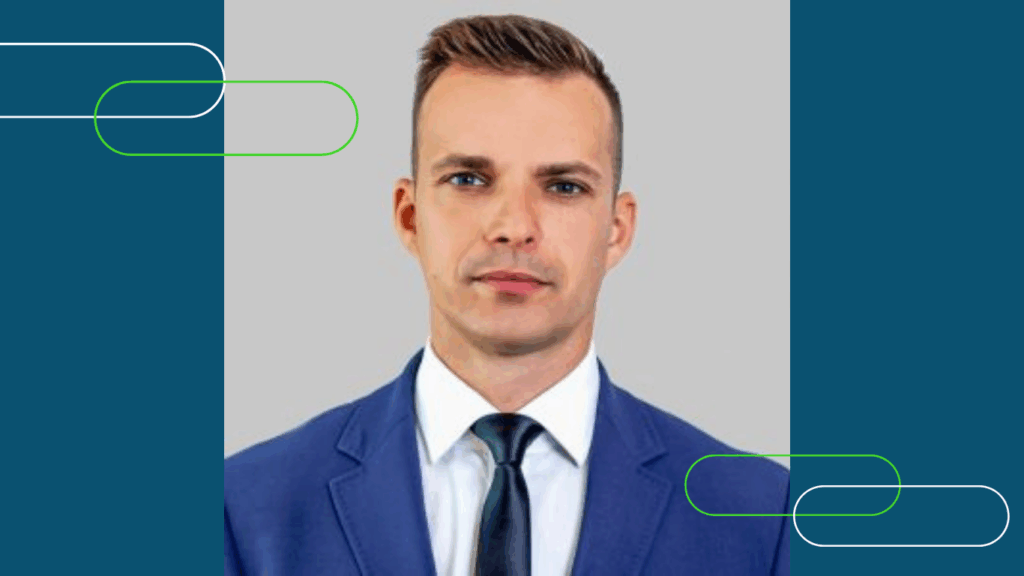
Name of institution: Lukasiewicz – Institute of Polymer Materials.
Position: Deputy Director for Research at Lukasiewicz – Institute of Polymer Materials.
“Society’s expectations of the activities of business entities have evolved over the past few years. The impact of business on the environment, and thus on the common good, has become one of the key aspects that stakeholders pay attention to. Their opinions, needs and expectations have a significant impact on the intensely progressive development, and it is in the interest of all of us that it be responsible and sustainable. In this way, we are able to achieve tangible benefits for society and, at the same time, contribute to increasing the competitiveness of Polish companies in the European arena.”
Peter GLEN
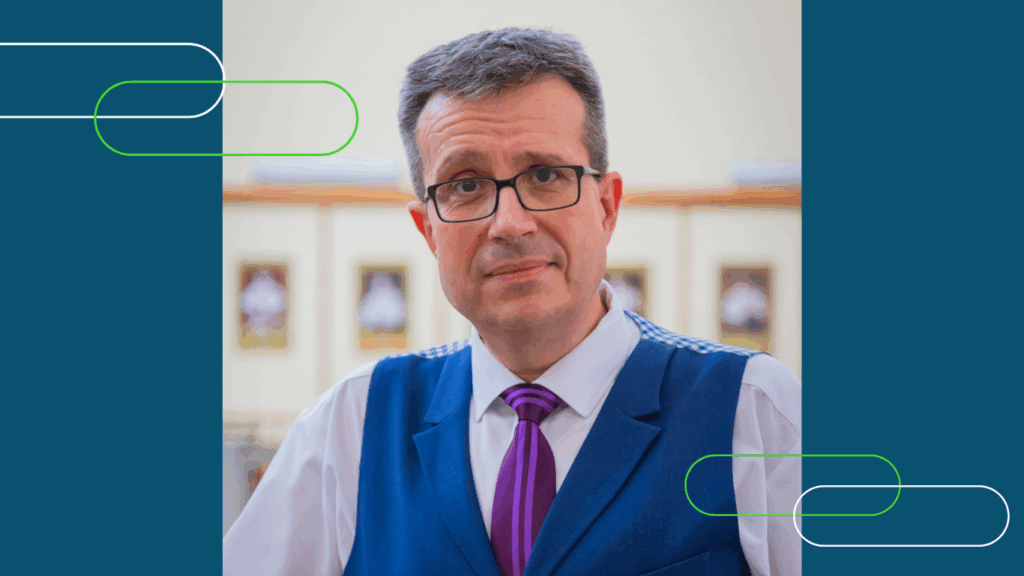
Name of institution: Warsaw School of Economics
Position: Sustainability and ESG Team Leader
“I would like the SME sector to take one thing from the events above all: sustainability and ESG is an investment in the future and a way to build a sustainable competitive advantage – not just a cost or an obligation.”
MArtyna Stupczewska

Name of institution: Bank Gospodarstwa Krajowego
Position: ESG expert
“ESG is not just an obligation – it’s a real opportunity to grow business, build a stable market position, establish new relationships and attract additional financing. Today, there are many instruments to support businesses in energy transition, meeting environmental goals and building social cohesion.”
dr inż katarzyna kalinowska-wichrowska

Name of institution: Bialystok University of Technology
Position: Associate Dean for Development and Cooperation – Faculty of Construction and Environmental Sciences
“Implementing building materials created using recycled materials is a real opportunity for a company to strengthen its ESG strategy. Such solutions make it possible to simultaneously lower the carbon footprint, reduce the consumption of natural raw materials and build the image of a socially responsible company – creating measurable value – both economically and environmentally.”
Piotr Placha
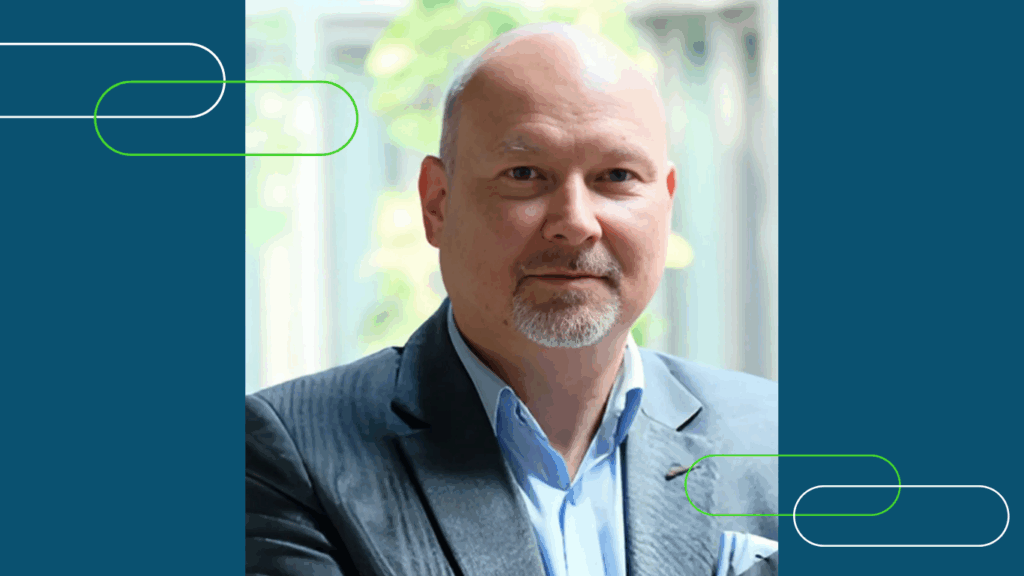
Name of institution: Polish Investment and Trade Agency S.A.
Position: Key expert in the Industry Experts Department of PAIH S.A.
“PAIH approaches the issue of sustainable development and ESG pragmatically, through the prism of its mission, which, among other things, is to support SMEs in export expansion and promote the Brand of the Polish Economy abroad. Our experience shows that regardless of the political and economic turmoil around ESG, in many mature and important markets for Polish exports (e.g. German, French, Scandinavian markets) sustainability standards have entered the business culture and are a necessary requirement for potential partners in supply chains. It is our responsibility to prepare Polish SMEs well to operate in these markets, including in terms of using sustainability strategies to build competitive advantages and unique offerings.
For this reason, companies that want to expand in foreign markets should treat ESG not as a fad or a figment of the imagination of EU officials, but as an important element of their competitive advantage, without which in the modern realities of international business it is impossible to function in the long term. After all, a well-designed and implemented sustainability strategy is a source of measurable savings and cost optimization, but also of innovations that allow you to remain among the world leaders in a given industry. “
Anna Wojciechowska

Name of institution: ROBYG S.A.
Position: Director of Sales and Marketing at ROBYG S.A.
“In the initial phase, being in the value chain of large companies, such as general contractors or large manufacturers of building materials, one should expect to be asked about the carbon footprint. Most often, it will be about a specific product – to determine it, SMEs need to gather data on the origin of raw materials, as well as know how much energy is required to produce their product. However, the questions may also be about CO2 emissions generated during site work or transportation. That’s not all, though – expect questions about employees, both permanent and temporary, regardless of the type of contract they have, their training, including health and safety, possible workplace accidents and preventive measures. There may be questions about pollution generated during the work performed, as well as the impact on biodiversity.”
Ewa Kosmala

Name of institution: Selena FM S.A.
Position: Global Sustainability Director at Selena FM S.A.
“One of the priorities of the construction industry is to decarbonize it. This means lowering not only the operational carbon footprint – that is, lowering a building’s energy consumption and using green energy to do so – but also lowering the embedded carbon footprint. Some EU countries already require the calculation of a building’s total carbon footprint when submitting documents for a building permit. This attitude of investors and legal requirements are forcing building product manufacturers not only to determine the carbon balance of their products, but also to work on lowering it. This is why we ask our suppliers to provide the carbon footprint of the components they supply to us.”